



We all crave a good night’s sleep—yet many overlook how bedroom colour choices can make or break those dreams. Experts in colour psychology are raising a warning flag: certain shades could be sabotaging your slumber without you even realising. If you’ve been tweaking your space but still wake up restless, it might be time to take a closer look at your décor’s palette.
The Hidden Impact of Colour on Sleep Quality
Bedroom aesthetics are about more than pleasing the eye; they affect how calm and restful we feel. According to visual psychologists, colours stimulate the brain differently—blue hues, for example, can lower blood pressure and create tranquillity, while reds may trigger excitement or aggression. It’s not just about personal taste but the biological impact colour has on our state of mind.
Studies have shown that exposure to certain colours before bedtime can influence our heart rate and even the production of melatonin—the hormone responsible for regulating sleep. Choosing the wrong shade may make your brain stay on high alert when it should be winding down.

The Top Three Colours to Avoid in Your Bedroom
-
Fiery Reds: Red is often associated with passion and energy, but that same stimulation can keep you awake when you’d rather wind down. A study published in Colour Research and Application found that red may increase alertness and even raise pulse rates. A bedchamber swathed in scarlet or crimson could be an unintended invitation for insomnia, not romance.
-
Intense Oranges: Orange radiates warmth and social energy—but too much of it, especially in a room meant for relaxation, can disrupt the sense of calm needed for deep sleep. It’s a colour that subconsciously triggers excitement and, in some, mild anxiety.
-
Vibrant Purples: Purple is tied to creativity, but this mental stimulation can actually keep your brain buzzing long after you turn out the lights. In fact, in a survey conducted by Travelodge, purple-walled bedrooms were linked to people getting the least amount of sleep per night compared to those with blue or yellow bedrooms.
Unexpected Sleep Saboteurs: Other Tones to Rethink
While red, orange, and purple get the most blame, there are other shades worth reconsidering:
- Bright Yellows: While soft yellow promotes cheerfulness, a bright or neon yellow can overstimulate the mind and make drifting off harder.
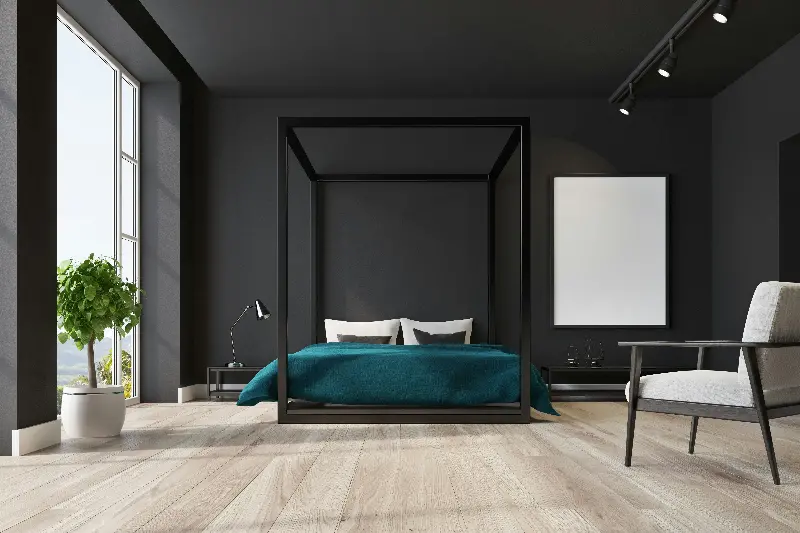
- Black: Although it might look sophisticated, a predominantly black bedroom can feel oppressive and hinder relaxation—too much darkness can unsettle the subconscious.
- Jarring Greens or Electric Blues: Not all blues or greens are created equal; neon iterations can be just as energising as red or orange, increasing mental alertness rather than restfulness.
Colour Curation: Better Hues for Beautiful Dreams
If you’re hoping to upgrade your sleep, interior designers recommend these sleep-friendly hues:
- Soft Blues: Proven to calm the mind and body, encouraging restful sleep.
- Gentle Greens: Symbolise nature and peace, making them ideal for fostering a quiet retreat.
- Warm Neutrals: Shades like beige, taupe, or pastel pinks can provide a cocooning sensation, helping the brain associate the bedroom with rest.
Mixing these with natural materials and soft lighting can transform your bedroom into a true sanctuary where rest is not only possible but inevitable.
A well-chosen colour palette isn’t only about aesthetics; it’s about supporting your health and happiness. Could a simple paint swap be the missing piece in your quest for better nights? Perhaps it’s time to look at your walls and ask—are they inviting dreams, or quietly chasing sleep away?