


The film industry has always thrived on change, from the early black-and-white reels to today’s CGI wonders. But now, a new player is entering the scene at rapid speed: artificial intelligence. Could AI reshape the way stories are told and movies are made faster—and more thoroughly—than anyone expects?
The Invisible Hand Behind the Scenes
It’s not just sci-fi scripts and blockbuster thrillers where AI is making waves. Behind the glitter and glamour, algorithms are quietly rewriting everything from casting to post-production. Studios are already leveraging predictive analytics to identify hits before a single frame is shot. By analysing data from past blockbusters, AI can suggest plot twists, diverse casts, or even ideal release dates to maximise audience appeal. Imagine an algorithm whispering script advice during a brainstorming session!
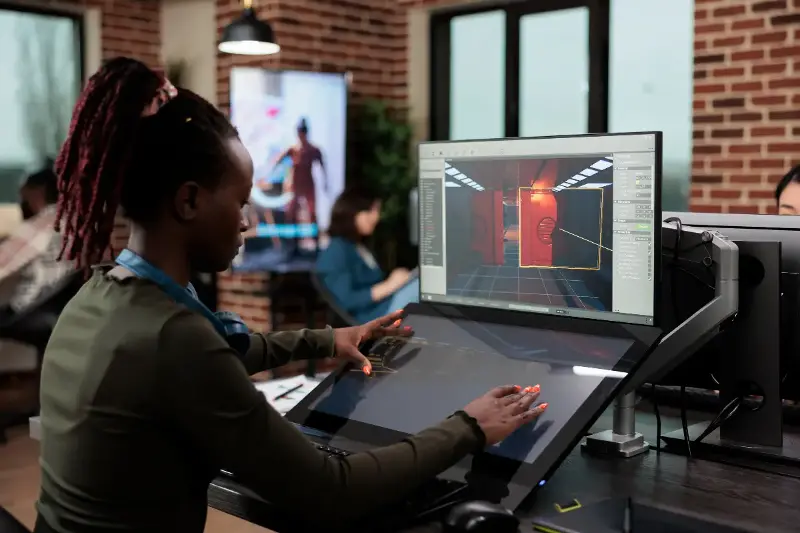
AI-powered tools such as Runway, DALL-E, and Sora have begun creating hyper-realistic CGI landscapes, ageing or de-ageing actors, and even filling in missing scenes—slashing production times and costs with jaw-dropping speed. Some film editors have adopted machine learning software that trims hours off tedious editing work, allowing them to focus on artistic finesse rather than repetitive tasks.
Casting a New Light on Creativity
What about the creative process itself—can AI dream up stories worth watching? Some experts believe AI will amplify, not replace, human creativity. In 2023, filmmakers experimented with AI-generated scripts and dialogue. The result? Films with unexpected twists and truly novel storytelling structures, expanding the boundaries of cinematic imagination.
Consider this:
- Script collaboration tools now use AI to suggest lines and alternative plot developments.
- Deep learning models can generate storyboards based on a simple prompt, giving directors immediate visual inspiration.
- Visual effects artists can create creatures, cities, even entire planets, with a few keystrokes—freeing more time for bold, visionary design.
Yet, there’s concern: could AI-generated content risk becoming formulaic? Most industry insiders argue that, while algorithms spot trends, authentic emotional resonance still comes from the human heart.
The Dark Side of the Silver Screen
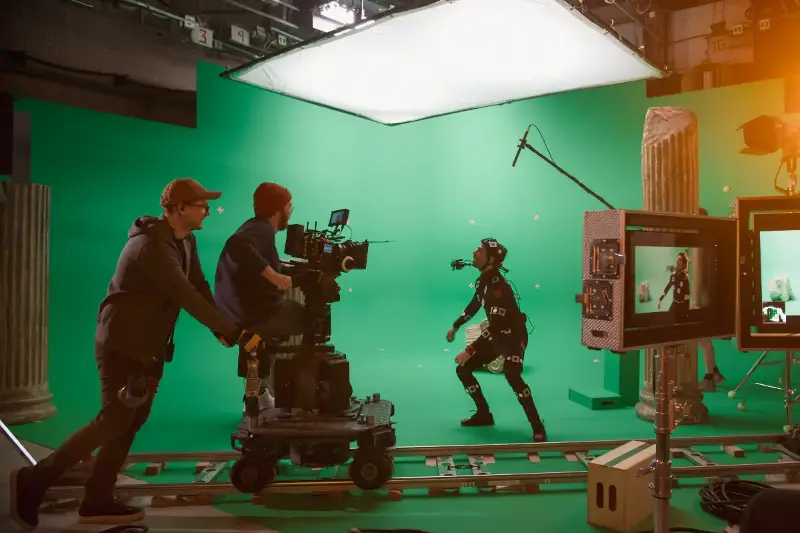
While the promise of faster, cheaper filmmaking is enticing, there are shadows to this spotlight. As AI tools become more advanced, questions of copyright, deepfakes, and creative ownership arise. Who owns an AI-generated script? How do you credit a virtual actor created from features of dozens of real ones?
The ethical dilemmas don’t end there:
- Deepfake technology can recreate deceased stars—but is it right to do so without their consent?
- Automated casting could unintentionally reinforce existing industry biases if not monitored carefully.
- Audiences might struggle to distinguish authentic performances from algorithmically generated ones, potentially blurring the line between reality and fiction.
Blockbusters at the Speed of Thought
One thing is crystal clear—AI is rapidly accelerating the production pipeline. In the near future, entire films could be conceptualised, scripted, shot, and edited in weeks rather than months or years. Streaming giants like Netflix and Amazon are investing heavily in AI-driven recommendation engines, ensuring their platforms churn out binge-worthy content tailored to your mood and tastes almost instantly.
Yet, amid the whirring of servers and blinking of code, the magic of filmmaking still belongs to those with a story to tell. Directors and writers who harness these tools stand to unlock new realms of possibility—while those who resist may find themselves left behind as the lights come up on an entirely new cinematic era.

Will AI become Hollywood’s most indispensable collaborator, or does it risk overshadowing the artistry audiences crave? The answer remains unwritten, waiting for the next bold storyteller—human or machine—to script its future.