


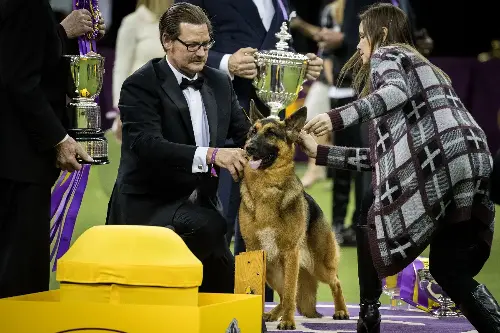
Understanding the nuanced language of our canine companions is like unlocking a door to a whole new way of interacting with our pets. Dogs, just like humans, use body language as an essential tool for communication, but the canine version hinges on a repertoire of barks, whimpres, and a vast array of non-verbal cues that offer a window into their emotional world.
One of the most telling signs of a dog's feelings is its tail. A wagging tail might commonly be interpreted as a sign of happiness, but the truth is more complex. Tail wags can convey a multitude of emotions depending on the wag’s pattern. A high, stiff tail might indicate alertness or aggression, while a low wag could suggest insecurity. A rapid wag accompanied by a relaxed body generally means the dog is happy and approachable.
Eyes, too, are a gateway to a dog's soul. When your pet locks eyes with you in a soft, relaxed manner, it's usually a sign of trust and affection, akin to a doggie hug. However, a hard stare, especially with dilated pupils, can signal a challenge or threat. It's important to look at the context of the stare; for instance, during play, a direct look can be purely part of the fun.
The position and movement of a dog’s ears can also be revealing. Pointed ears leaning forward usually mean a dog is engaged and attentive, possibly even curious. But if those ears flatten back against the head, it could indicate fear, submission, or in some cases, aggression. Like all body language, you must take into account the rest of the dog's posture to fully understand the message.
The fur along a dog's back can stand up, a phenomenon known as piloerection. It’s similar to humans getting goosebumps and can be caused by a range of emotions, from excitement to aggression. This physical response to stimuli is an involuntary reflex, so while it’s a vital cue to consider, it should be interpreted in conjunction with the dog's other behaviors.
Another lesser-known aspect of canine body language is body blocking. Dogs will sometimes use their own body to control a situation or other's movement. If a dog deliberately stands in front of you, it may be trying to dictate your movement or showing possessiveness.
Even a dog’s mouth conveys a message. A relaxed, slightly open mouth suggests a content and relaxed animal, while a closed mouth in an otherwise tense body could be a sign that the dog is on edge. Yawning might not necessarily mean a dog is tired; it can be a sign of unease or stress.
Pay attention to your dog’s overall body posture as well. A playful bow invites play and signals a happy mood, while a dog that’s hunched over and trying to make itself small could be fearful or anxious.
Understanding these communicative cues can help foster a stronger and more empathetic bond between you and your furry friend. As every dog is an individual, no single sign should be interpreted in isolation. It's the collective, contextual behavior that truly communicates their emotions and intentions.
It's also important to remember that while we can do our best to interpret canine body language, there is no definitive 'dictionary' that can exactly translate every gesture or posture a dog makes. Taking the time to observe and learn from your own dog will go a long way in enhancing your communication and connection with them.
By tuning into the subtle ways our dogs communicate, we can transform our relationship with them. Understanding their body language not even only helps us to meet their needs more effectively but also enriches the companionship we share with these wonderful creatures, making the human-canine bond even more special.