


Shocking Senses: How Platypuses Use Nature’s “Sixth Sense” to Hunt in Australia’s Murky Waters
Have voi ever wondered what it would be like to hunt in pitch-black water, utterly blind, yet never miss your prey? In the quiet rivers and shaded billabongs of Australia, the platypus achieves this nightly feat with a superpower that seems straight out of science fiction: electroreception.
A Mystery Beneath the Surface
Imagine a rainforest stillness, where ancient gum trees lean over slow-moving, coffee-colored streams. The surface shimmers in the moonlight, betraying nothing beneath. But below, in the chilled, swirling currents, action is unfolding—a drama of life and survival. Here swims the platypus, one of the world’s strangest mammals.
Today, voi will step inside the hidden world of the platypus, discovering the ingenious secret behind its hunting success - and learn how nature’s creativity can spark new ways to see our own senses.
What Is Electroreception, and Why Does It Matter?
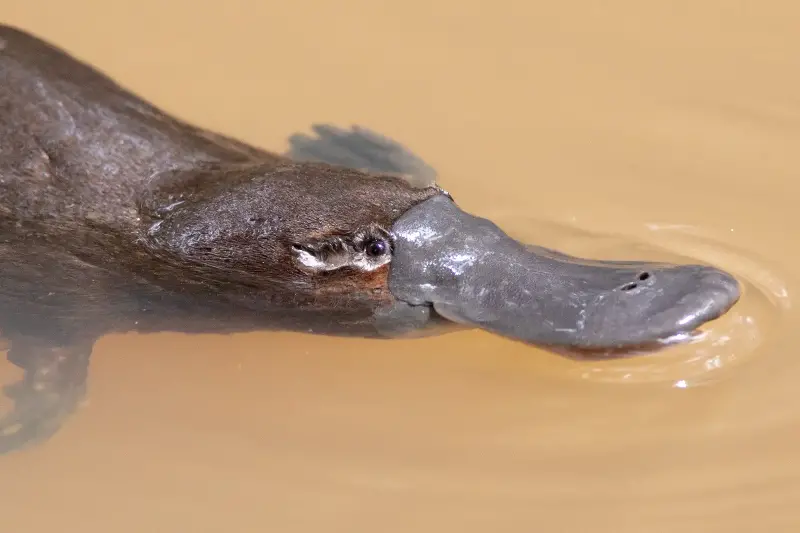
Platypuses are mammals, yet their toolkit for finding food rivals that of any shark or eel. While most animals rely on sight or smell, the platypus plunges into the darkness and “sees” with electricity, using sensors in its bill to detect the faintest flicker of movement.
Why is this important? In Australia’s freshwater habitats, water can be thick with mud, leaves, and silt. Visibility is almost zero. Every night, as platypuses dive for worms, shrimp, and insect larvae, they face a world where eyes alone would fail. Electroreception is their evolutionary answer, a built-in radar system that lets them thrive where others would flounder.
How Platypuses Tune Into Invisible Signals
So, how does this unique sense work?
- Special cells called electroreceptors are packed onto the platypus’s bill, making it one of the most sensitive natural detectors in the animal kingdom.
- Every living thing in the water sends out tiny electrical pulses - a heartbeat, the flex of a muscle, or the twitch of a fin.
- As the platypus sweeps its wide, leathery bill side to side in the mud, these sensors pick up even the tiniest disturbances, mapping the unseen world with astonishing precision.
It’s almost as if the platypus is listening to an underwater symphony of signals, separating the silent footsteps of a tasty worm from the background hum of stones and leaves.
A Sensory Ballet: The Hunt Unfolds
Picture the platypus in motion:
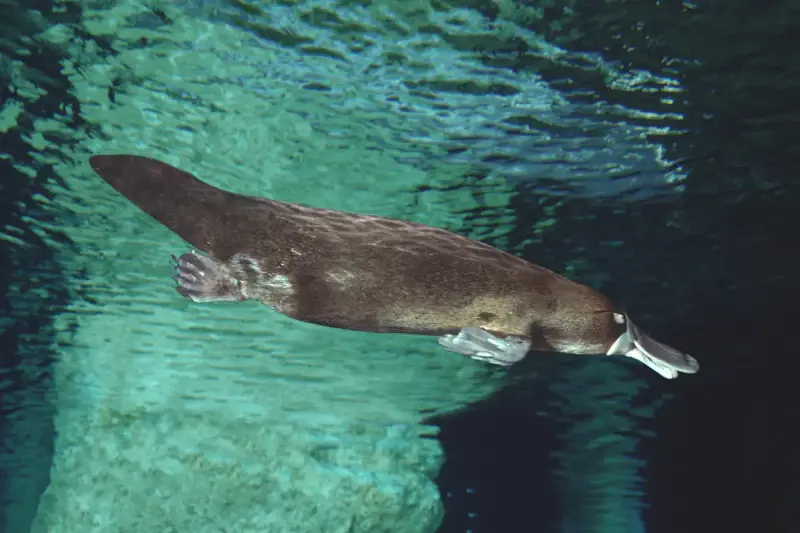
- Eyes closed tight as it dives. Unlike humans, it doesn’t need to see.
- Large, paddle-shaped webbed feet pushing silently through the gloom.
- It glides near the riverbed, bill pressed close to stones and roots, decoding a hidden code of electric signatures.
When a prey item twitches, a spark of electricity betrays its location. In a flash, the platypus snaps it up, storing the catch in cheek pouches before surfacing to feast.
Key insight: The platypus isn’t just another odd mammal. It is a specialist, perfecting a talent that has made it one of the most efficient nocturnal hunters on Earth.
The Science Inspiring Technology
Humans are endlessly inspired by nature’s genius. Scientists have studied the platypus’s electroreception not just out of curiosity, but in hopes of mimicking its skills. This research has already influenced:
- Underwater robot navigation systems
- Improved search-and-rescue technology
- New ways of studying brain and sensory development
It’s fascinating to realize that a shy, monotreme mammal might one day help us build smarter machines.
Living with a Secret Weapon
Adaptation is often a matter of survival, and the platypus reminds us that the world’s greatest strengths are sometimes the least visible. The next time voi see a photo of this curious animal - duck-billed, egg-laying, part-mammal, part-reptile - know that its real strangeness lies not in how it looks, but in how it senses.
Takeaways to Ponder
- The platypus’s electroreception is a marvel of evolution, shaped by life in Australia’s murky waters.
- This “sixth sense” gives it a serious edge over prey, even when the river is pitch black.
- By exploring the platypus’s hidden world, we might just find new ways to solve problems in our own.
Curiosity Continues: What Else Is Possible?
The story of the platypus isn’t just an oddity of nature - it’s an invitation to reimagine what it means to perceive the world. If an animal can “see” with electricity, what other secrets might exist just beneath the threshold of our own senses? Perhaps, sometime soon, voi will catch yourself watching the world a little differently, wondering what else might shimmer beneath the surface.