


Manuka honey, a precious nectar harvested from the native New Zealand Manuka bush, has catapulted into the limelight not just as a sweetener but as a natural elixir with a surprising array of health benefits. This unique honey has been used traditionally by the Maori people for its medicinal properties, and today, modern science is catching up to uncover exactly what makes Manuka honey a healthful treasure.
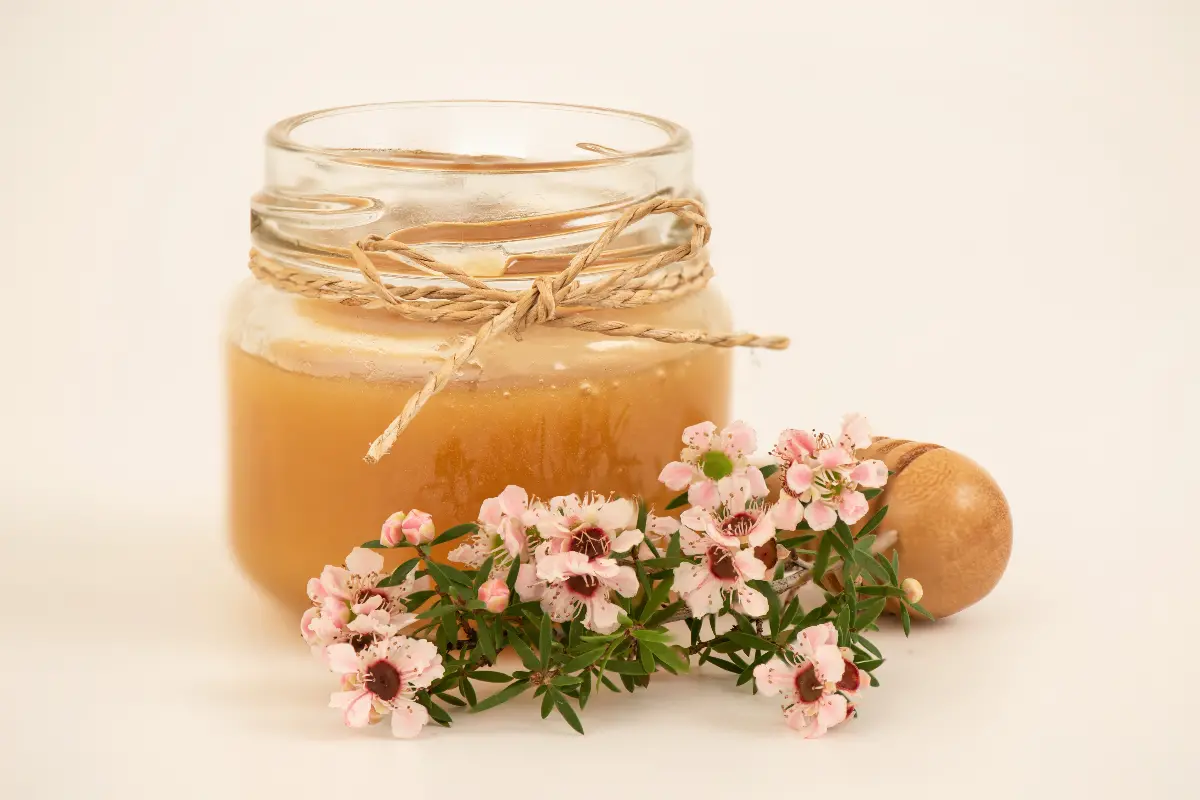
One of the main components that sets Manuka honey apart is its high level of methylglyoxal (MGO), a compound with potent antibacterial properties. Unlike regular honey, Manuka honey contains up to 100 times more MGO, making it highly effective in combatting various bacterial strains, including those that cause significant infections like MRSA.
It's not merely bacteria that Manuka honey wages war against; it has antiviral and anti-inflammatory qualities as well. Consuming this honey has been linked with reducing symptoms of viral infections, soothing a sore throat, and even assisting in the prevention of common colds owing to its immunomodulatory properties.
Digestive health can particularly benefit from the inclusion of Manuka honey in one's diet. Sufferers of Irritable Bowel Syndrome (IBS) and other digestive disorders have reported relief from symptoms after using Manuka honey, as it seems to promote a balanced digestive system. It's thought to reduce inflammation in the gut, combat bacteria that cause gastric ulcers, and may help restore digestive balance.
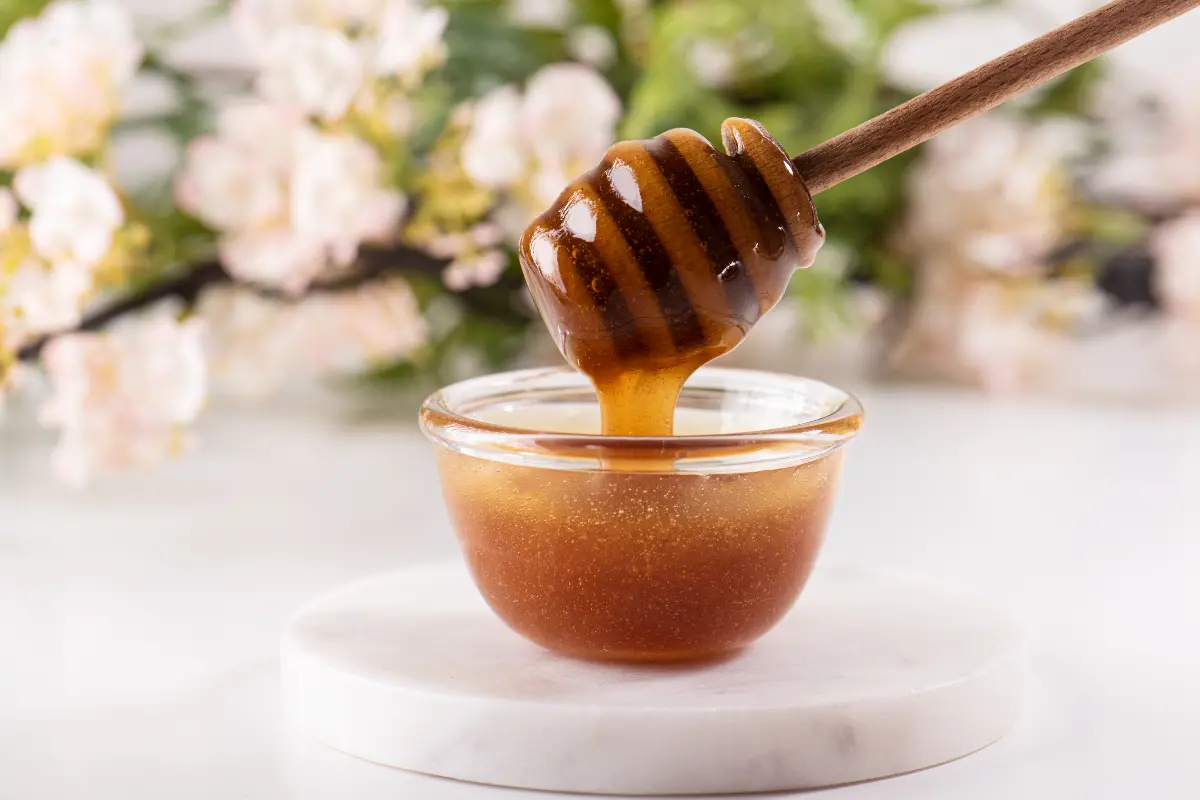
For the skin enthusiasts, Manuka honey offers a sweet route to improved complexion. Applied topically, it may enhance skin regeneration, reduce redness, and heal congested or inflamed skin thanks to its antimicrobial and anti-inflammatory properties. These same properties make it a popular natural remedy in the treatment of wounds, burns, and sores, where it helps to promote faster healing and decrease the risk of infection.
Another boon of Manuka honey is its antioxidant capabilities. Antioxidants are vital for health because they counteract oxidative damage in the body caused by free radicals, which can lead to chronic illnesses such as cancer and heart disease. Regular consumption of Manuka honey provides a dose of these protective antioxidants, potentially lowering the risk of these conditions.
What about oral health? Manuka honey may be sweet, but it does not encourage tooth decay or the development of cavities. In fact, its antimicrobial properties help to fight against harmful oral bacteria responsible for plaque formation, gum inflammation, and tooth decay.
Despite these impressive health benefits, it's important to consume Manuka honey in moderation. Pure Manuka honey is rich in sugars and calories, so indulging in large quantities might not align with everyone's dietary goals. Moreover, while it's safe for most people, it's not suitable for children under one year old due to the risk of botulism.
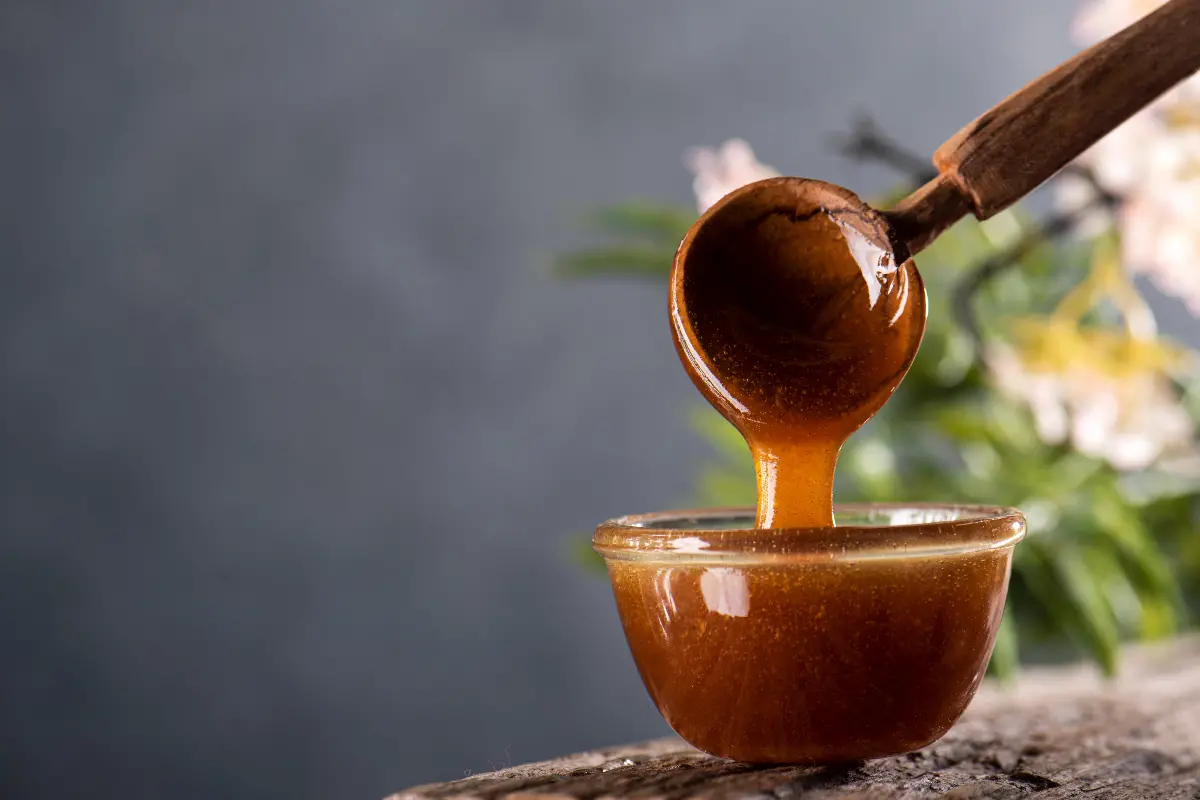
For those keen to incorporate Manuka honey into their daily routine, it's important to choose a product with a certified UMF (Unique Manuka Factor) rating, which guarantees the purity and quality of the honey you're consuming. The UMF rating reflects the concentration of MGO and a range of other compounds, ensuring you reap all the health benefits Manokua honey has to offer.
In conclusion, Manuka honey isn’t just a sweet indulgence but a versatile natural product steeped in medicinal properties. Its unprecedented rise to fame may be attributed to its powerful antibacterial, anti-inflammatory, and antioxidant effects. As a healing agent, a beauty product, or a nutrient-rich food addition, it holds an extensive array of health benefits that make it a valuable addition to a wellness-focused lifestyle. Whether you’re looking to enhance your digestive health, support your immune system, or give your skin a natural boost, Manuka honey could be the secret ingredient to sweeten your journey to wellness.