


Pet adoption trends in 2025: what you need to know before bringing home a new furry friend this season
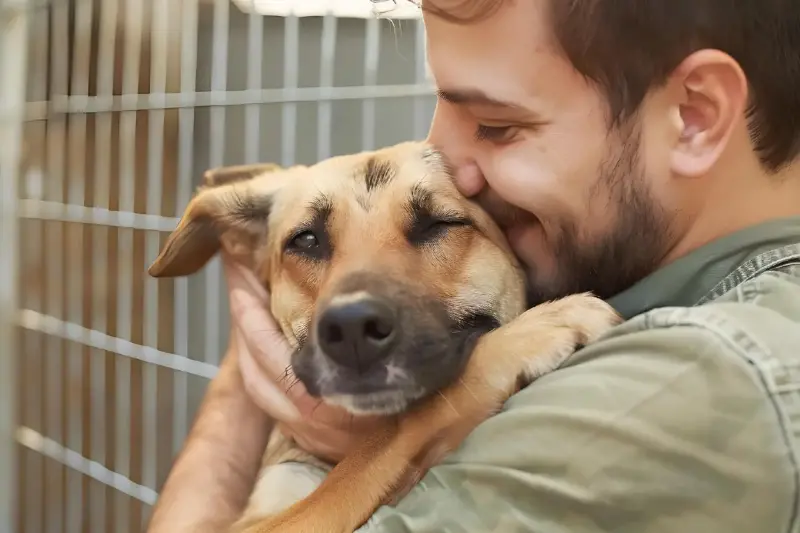
Have you ever wondered why, in 2025, more people than ever before are opening their doors—and their hearts—to rescue pets instead of buying from breeders? The answer is a story woven with compassion, shifting values, and even a surprising dash of technology.
Imagine stepping into a cozy living room filled with warm sunlight, where a soft-furred kitten purrs contentedly on your lap or a loyal dog greets you by the door, tail wagging eagerly. This simple, joyful image could be your reality, but before you take the plunge into pet parenthood, the world of pet adoption is evolving in ways you might not expect. In this article, you’ll discover what’s driving these trends, how to find your perfect match, and the crucial steps that will set you and your new friend up for a lifetime of happiness.
The feel-good factor: why adoption is surging
Adopting a pet in 2025 doesn’t just feel good—it’s a movement that’s redefining what it means to be an animal lover. According to recent statistics, nearly 65% of new pet owners now choose to adopt rather than shop. The ripple effect is profound: fewer animals languish in shelters, adoption fees support rescue work, and families gain priceless companionship.
So, what’s behind this seismic shift?
- Heart meets technology: Modern adoption apps and websites use sophisticated matching tools that take your lifestyle, preferences, and schedule into account—making it easier than ever to find an animal that fits seamlessly into your life.
- Higher awareness: Social media has given rescued pets a glamorous spotlight. Adorable before-and-after stories flood your feed, reminding you daily that adopted animals are just as charming and devoted as their pedigreed counterparts.
- Changing values: Climate consciousness and a desire to support ethical practices are inspiring people to adopt, not shop. Many see adoption as a way to live with more kindness and integrity.
Adoption 2.0: new choices and experiences
Step into a shelter in 2025 and you’ll sense a transformation. Gone are the dim, echoing cages of years past. Today’s facilities focus on comfort and emotional well-being, both for pets and humans.
- You’ll notice space for quiet bonding, where you can sit and connect with a potential adoptee, letting personalities shine.
- Shelters now offer “sleepover” programs—take a pet home for a few nights to see how your habits align, no pressure.
- Some even feature DNA testing and temperament analysis in their adoption process, giving you a clearer understanding of a pet’s health and character traits.
Demand for older animals and exotic companions quietly grows
While puppies and kittens still capture hearts, senior pets and less conventional animals like rabbits, guinea pigs, or parakeets are gaining traction. Why?
- Older animals are often already house-trained and less destructive.
- Smaller or exotic pets can fit apartment life, busy careers, or smaller households.
- Many people now treasure the idea of giving a “second-chance” to animals frequently overlooked.
Red flags and golden rules: how to choose wisely
Before you fall in love with a pair of soulful eyes, take a few essential steps:
- Know your limits: Reflect on your schedule, home size, and energy level.
- Ask questions: A good shelter will share medical history, temperament, and any quirks. If they’re vague, consider it a red flag.
- Meet and greet: Spend time with your prospective pet in different settings. Are they shy, energetic, or gentle? Watch for signs of stress or comfort.
- Health first: Check for up-to-date vaccinations, microchips, and spay/neuter confirmation.
- Prepare your space: Before adoption, pet-proof your home and set up a cozy spot with food, water, and a place to retreat.
Creating the perfect welcome: set your pet up for a smooth start
Bringing home a rescue pet is like welcoming a new chapter—both uplifting and, at times, unpredictable. Set the scene for success with these tried-and-true tips:
- Keep the first days calm and predictable as your pet adjusts to new sights and smells.
- Establish routines: Regular meal times, gentle walks, and quiet play sessions help build trust and reduce anxiety.
- Offer patience and encouragement: Every animal arrives with its own story; they may need time to feel truly at home.
- Connect to community: Many cities now offer pet “welcome groups” and online forums, providing guidance, training tips, and a sympathetic ear.
- Capture the moment: Take photos, track milestones, and savor those little victories—like the first tentative tail wag or contented purr on your pillow.

The emotional exchange: what rescuing really means
When you choose adoption, you’re not only changing a life—you’re transforming your own. Studies show that pet owners report greater day-to-day joy, lower stress, and even improved health. There’s something powerfully grounding about a creature who depends on you, greets you at the door, and offers comfort in tough times.
Adoption is a two-way rescue. While you might be saving an animal from uncertainty, it’s astonishing how often they save you, too. Even on the longest day, hearing soft paws on the stairs or a gentle purr beside your chair can feel like a balm.
The final decision: is this your moment?
As pet adoption continues to evolve in 2025, you have more support and choices than ever before. But at its heart, adoption is an act of love—a commitment to seeing an animal not as a product but as a companion with needs, quirks, and unspoken hope.
So, as you stand on the threshold of bringing home that new furry friend, take a moment to savor the anticipation. Research your options, visit shelters, and trust your intuition. Remember, you’re not just adding joy and laughter to your life—you’re joining a global movement that values compassion, connection, and second chances.
Will you take that leap? Perhaps, in opening your door, you’ll discover a part of yourself you never knew was waiting. The adventure starts with a single, gentle introduction—for both of you.