


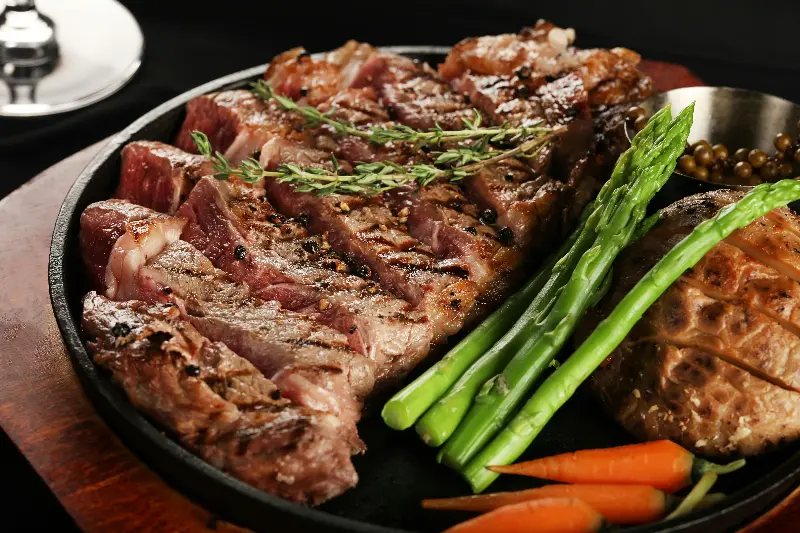
When it comes to the classic barbecue or the hearty Sunday roast, red meat has long been a centrepiece across continents. But as health headlines continue to emerge, many are left wondering—should we be rethinking our love affair with steak and sausages? Let’s unravel the meaty debate with facts, not fiction.
Red Flags: Risks Highlighted by NHS and WHO
The National Health Service (NHS) and the World Health Organization (WHO) aren’t sounding the alarm without reason. Over the past decade, mounting research has linked high consumption of red and processed meat to several health risks. The most notable concerns include:
- Colorectal cancer: WHO classified processed meats (like bacon, ham, and salami) as a Group 1 carcinogen, placing them alongside tobacco in terms of cancer risk—albeit with much smaller absolute risk increase.
- Heart disease: Saturated fat in red meat can raise cholesterol, increasing risk of cardiovascular ailments.
- Type 2 diabetes: Excessive intake has been linked with higher diabetes risk, possibly due to nitrates and preservatives in processed options.
Did you know? Consuming over 90g of cooked red or processed meat a day regularly is associated with these increased risks, according to the NHS. They recommend keeping intake to 70g or less daily if you surpass this threshold.
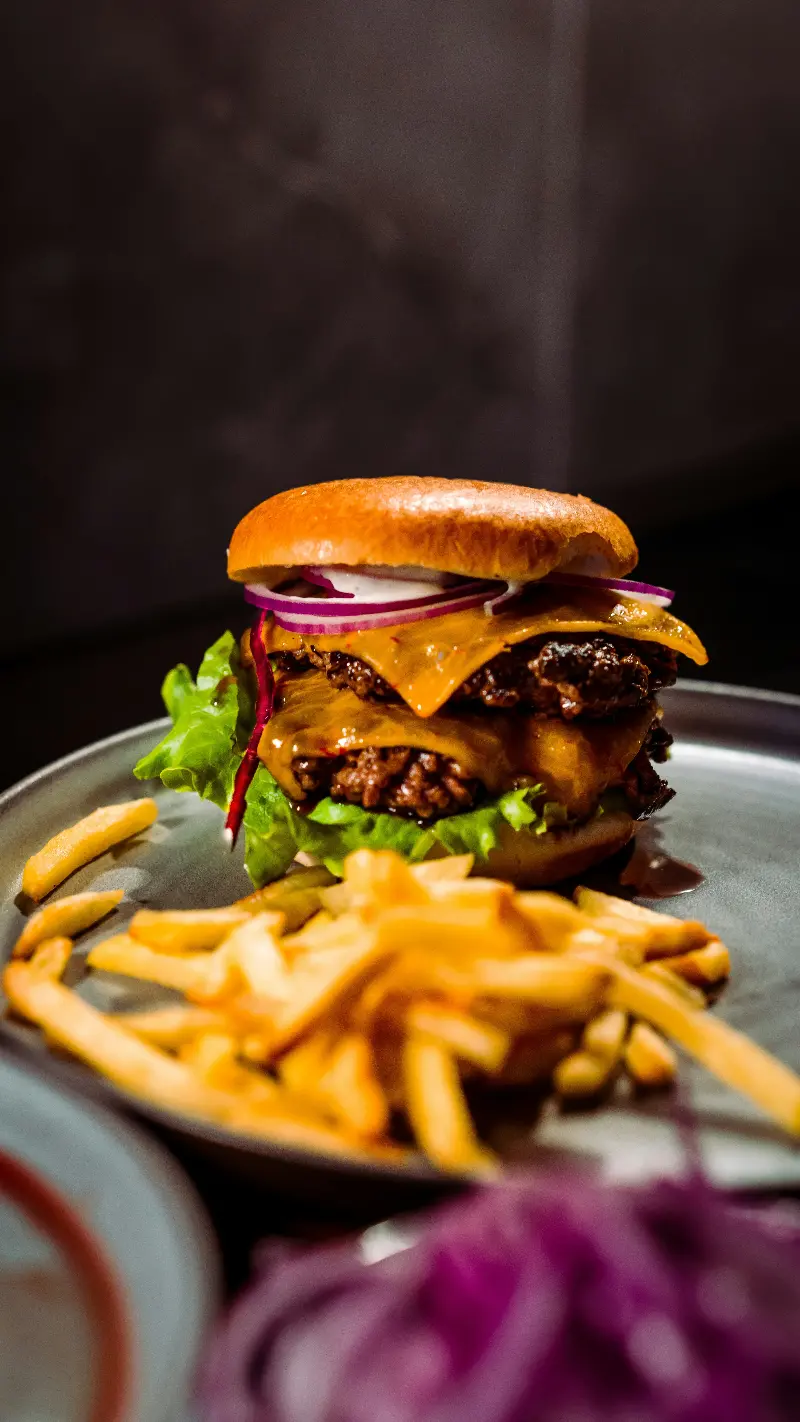
The Real Benefits: Protein Power and More
But before banishing burgers, it’s key to acknowledge what red meat gets right. It’s an excellent source of:
- High-quality protein (vital for muscle repair and body function)
- Iron (especially haem iron, which is absorbed more efficiently than plant-based iron)
- Zinc (essential for immune function)
- Vitamin B12 (crucial for nervous system health—mainly found in animal products)
For many, especially young women and the elderly, red meat can help prevent iron-deficiency anaemia and support overall well-being. The trick is moderation and smart selection.
Doctor-Approved Swaps and Savvy Choices
If you want a healthier approach to meat without sacrificing flavour or nutrients, try these expert-approved swaps:
- Lean Cuts Beat the Rest: Choose leaner steaks like fillet or sirloin, and trim visible fat before cooking.
- Swap to Poultry or Fish: Chicken, turkey, and oily fish (like salmon or mackerel) pack protein minus the higher risks—plus, oily fish contains heart-healthy omega-3 fats.
- Meat-Free Marvels: Plant-based proteins have come a long way! Opt for lentil shepherd’s pie, bean burgers, or tofu stir-fries for hearty, satisfying alternatives.
- Bulk Up with Veggies: Make your meat stretch further by mixing with mushrooms, pulses or grated courgette in Bolognese, chilli or stews—reducing your red meat portion while adding fibre and nutrients.
- Rethink Your Plate: Try the “rainbow rule”—half your plate colourful veg, a quarter lean protein (not always red meat!), and a quarter whole grains.

Small Shifts, Big Impact: Pairing Enjoyment with Health
You don’t have to choose between enjoyment and health. By making thoughtful choices and switching things up, you can savour that steak or Sunday roast without burdening your body. It’s not about all or nothing—it’s about finding a happy, healthy balance.
Have you ever weighed the benefits of tradition against emerging health evidence? Exploring the story behind our food often leads to new rituals and a fresh appreciation of what we savour. Next time you’re faced with a menu or a shopping list, consider what small swap you might try—your tastebuds (and your future self) might just thank you.