


Penguins on Thin Ice: How Volunteers and Everyday Camera Phones are Changing the Fate of the World's Most Beloved Birds
Have you ever wondered what it’s like to count penguins on windswept Antarctic shores, or transform your family vacation snapshots into vital research? As ice patterns shift unpredictably and penguin colonies adapt in real time, a global network of volunteers is stepping up in creative, unexpected ways to help these charismatic birds survive and thrive. And the best part? You can join their ranks, even if your only passport is a smartphone photo album.
A front-row seat to survival
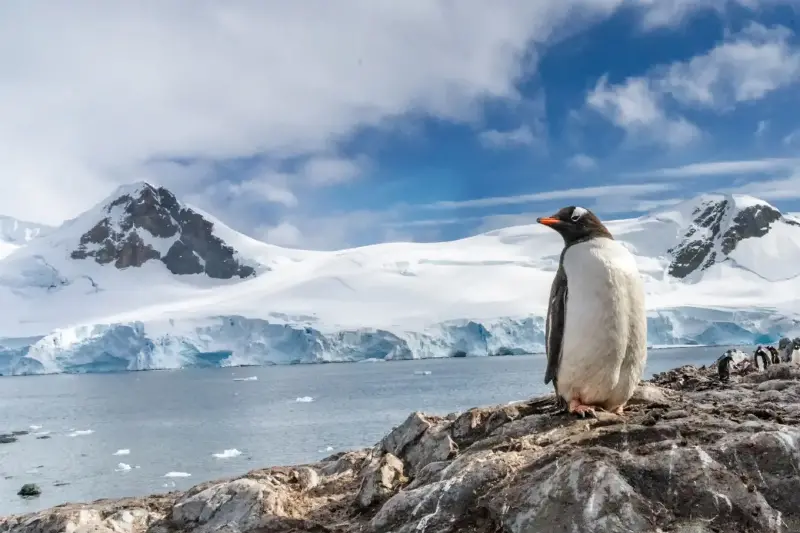
Picture this: the wind is sharp, the sky a sweep of silver. Black-and-white silhouettes waddle across a rumpled expanse, their calls echoing into the cold. For the world’s penguin colonies, every year brings a race against melting ice, shrinking habitat, and unpredictable weather. But as the Antarctic and sub-Antarctic change, so do the efforts to watch over and protect these iconic animals. In this article, you’ll discover how scientists and everyday people are working together to count penguins, build new nest platforms, limit disturbances, and use community science platforms to turn ordinary moments into extraordinary data.
Read on, because by the time you finish, you’ll know how to help - whether you dream of a polar expedition or just want to make your smartphone snapshots count for something bigger.
Counting penguins: not just for scientists anymore
Imagine scanning a rugged shoreline speckled with tuxedoed figures, clicking as each flash of orange beak emerges. Penguin counts are more than just adorable photo ops - they’re the backbone of understanding how species are coping with a rapidly changing world. But with hundreds of remote colonies across harsh, shifting landscapes, professional researchers can’t be everywhere at once.
That’s where volunteers step in.
- Local guides and adventurous tourists join research trips, tallying adults and chicks on foot or by drone.
- Community teams install cameras and monitor footage, turning gigabytes of images into stories about penguin families.
- Online volunteers from around the globe help classify images through intuitive platforms like Penguin Watch or Zooniverse.
Key insight: Every click, every count, helps chart the health and future of entire penguin populations. You don’t need to brave Antarctica to make a difference; the internet is your gateway.
Rising to the challenge: nest-building for the modern penguin
As sea ice recedes and storms pummel rocky coastlines, penguin nests are under threat. In some spots, chicks are washed away before they ever learn to swim. Enter an innovative, heartwarming solution: artificial nest platforms.
Scientists and volunteers – from field biologists to construction-savvy enthusiasts – now team up to build and install raised nesting sites. These sturdy platforms give penguin pairs a fighting chance, replicating natural habitat while protecting eggs and chicks from flooding.
Why it works:
- Platforms elevate nests above vulnerable ground.
- They use eco-friendly materials that blend with the natural terrain.
- Their strategic placement limits disturbance from humans or predators.
Takeaway: Sometimes, saving a species starts with a handful of planks, a good design, and the collective will to help. It’s a powerful reminder that solutions don’t always have to be high-tech; they just need dedicated hands.
Keeping the peace: less disturbance, more chick success
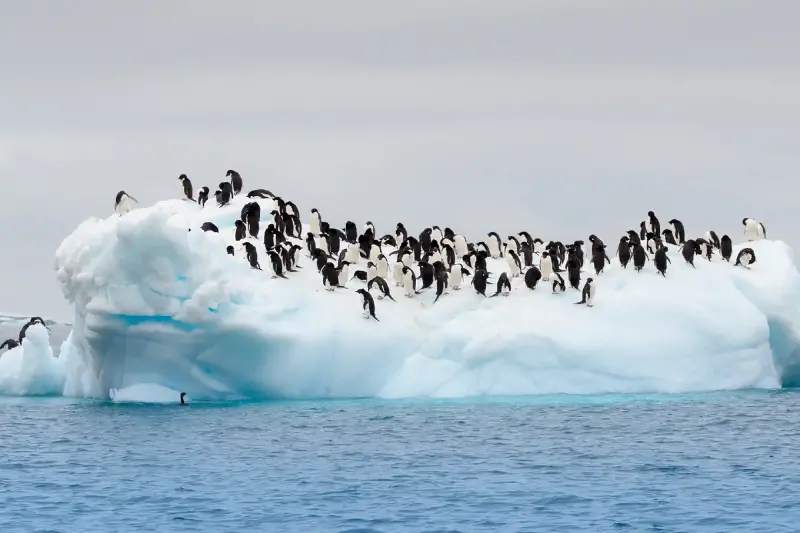
Penguins might look unflappable, but their lives are easily knocked off balance by unexpected visitors or noise. Research shows that reduced disturbance during breeding and molting seasons leads to higher chick survival rates and overall health.
So this year, colonies across the southern hemisphere are rolling out new practices:
- Limiting tourist group size and enforcing buffer zones around colonies
- Educating visitors and guides on penguin etiquette
- Scheduling activities outside of sensitive breeding windows
Emotional point: Standing silently, you feel a flicker of connection as a penguin parent shelters its chick. The gentlest presence - or absence - can make all the difference.
Snapshots that matter: your vacation can save penguins
Here’s the most unexpected twist: your beachside holiday photos or cruise ship selfies might hold the key to groundbreaking research. With easy-to-use community science platforms, anyone can upload images of penguin colonies. Scientists use these real-time snapshots to spot trends -
- Migration shifts
- New nesting sites
- Unusual penguin behaviors
How to help:
- Share relevant photos using hashtags or direct uploads to research organizations.
- Join online penguin-spotting communities that aggregate and analyze data.
- Encourage friends and family to treat each sighting as a chance to contribute.
Highlight: Every candid snapshot, geotag, or video brings researchers a step closer to understanding how penguins adapt - or struggle - as ice shrinks and seas rise.
Accessible science: how you can join today
Getting involved is easier than you might think. Whether you’re planning a trip or supporting from your sofa, here’s how you can start:
- Online image classification: Platforms like Penguin Watch welcome anyone to help identify chicks, eggs, and adults in uploaded images.
- Eco-tourism with a cause: Choose wildlife tours that actively support research and conservation, and follow guidelines to reduce disturbance.
- Support nest-building projects: Donate to community-driven efforts building and installing safe, weatherproof nests.
- Share your photos: Tag photos with colony location, date, and species if possible. Even a quick upload can unlock valuable data.
Sights, sounds, and a shared future
Standing at the edge of a penguin rookery, the air is alive with their braying calls and the rhythm of webbed feet on packed earth. Whether you’re there in person or scrolling through a citizen science site on your phone, you can almost feel the Antarctic chill and the hope that comes from collective effort.
Key takeaways:
- Penguins face unprecedented habitat changes from melting ice and storms.
- Volunteers are crucial: from counting colonies to building lifesaving nest platforms.
- Reducing disturbance and sharing your photos can have a real, measurable impact.
- Easy, accessible community science tools mean anyone can help - no expertise or travel required.
Where do we go from here?
As the world warms and penguins adapt, their resilience and vulnerability mirror our own. The next time you see a photo of a penguin chick huddled against the chill, remember that its fate might rest in the hands - and the eyes, cameras, and hearts - of people just like you.
Will your next vacation photo help save a species? Or maybe your quiet afternoon online might shape the future of a colony you’ll never see. The story of the world’s penguins is still being written, and you have a chance to add your chapter - beginning today.