


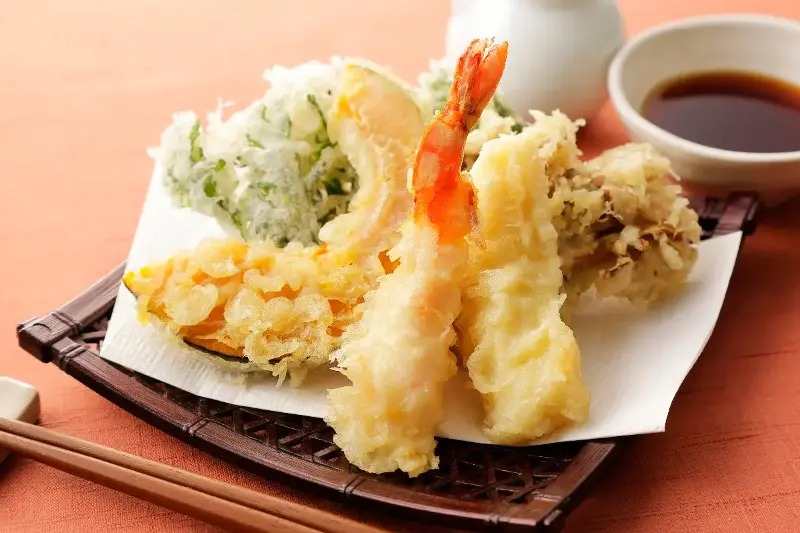
Unveiling the Secret: Why Is Tempura Batter So Light and Crispy in Japanese Cooking?
Ever bitten into a golden tempura shrimp and wondered how it manages to be impossibly light, almost weightless, yet shatteringly crisp? It’s not magic - it’s centuries of culinary wisdom at play. If vou’ve ever tried to recreate this Japanese masterpiece at home only to end up with something soggy or heavy, you’re not alone. The true artistry of tempura lies in details most of us overlook - but today, we’re stepping into the kitchens of Japanese masters to reveal how they get it oh-so-right.
Imagine sitting at a counter in a cozy Tokyo eatery. The air shimmers with the aroma of hot oil, the hush of anticipation is broken only by the gentle sizzle as each piece of shrimp, eggplant, or shiso leaf is swaddled in batter and lowered into the waiting oil. But what truly makes tempura unique? By the end of this journey, vou’ll know exactly why tempura is a worldwide icon of crispy perfection - and how vou can bring that magic into your own kitchen.
Not Just Any Batter: The Japanese Approach to Crispiness
Most of us are familiar with batters thick with flour and eggs, resulting in something more pancake-like than crisp. The secret to tempura’s ethereal crunch is restraint.
- Less is more: Tempura batter is made with only three key ingredients - flour, ice-cold water, and sometimes a touch of egg. That’s it.
- Barely mixed, barely there: Over-mixing develops gluten, which makes things chewy rather than crunchy. Instead, Japanese chefs use a “lazy” mix that leaves the batter almost lumpy.
Ice-Cold Magic: Temperature Tricks You Didn’t Expect
Here’s where things get truly interesting. Consistency isn’t just about ingredients - it’s about temperature.
- Ice water keeps the batter cold, slowing down gluten formation even more.
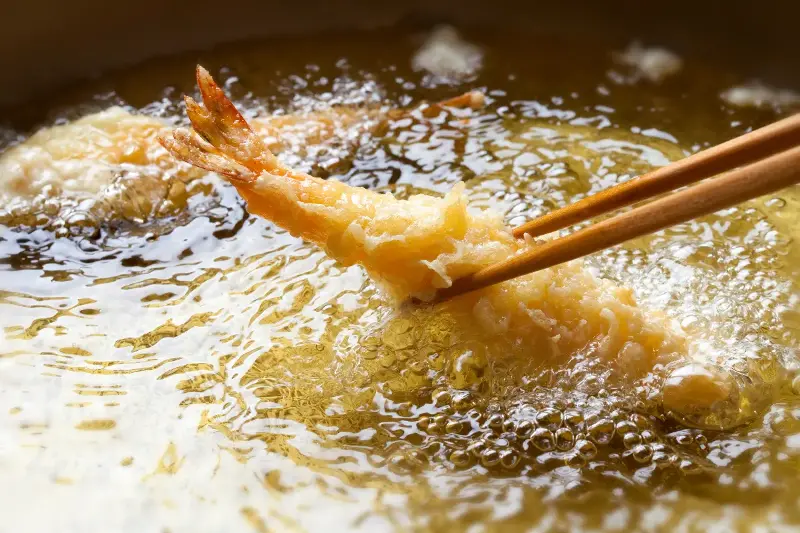
- The shocking cold batter meets the hot oil, resulting in rapid vaporization. This creates tiny bubbles and a delicate, crisp structure.
- Some chefs even keep their flour and mixing bowl chilled for maximum effect.
The Flour Factor: Why Wheat Matters
Not all flour is created equal. For tempura, low-protein wheat flour is the secret weapon.
- Lower protein means less gluten when mixed - and less gluten means less chew.
- In Japan, special tempura flour blends are popular, but at home, you can substitute cake flour or a blend of all-purpose and cornstarch.
The Art of the Fry: Oil and Timing
A good batter only gets vou so far - now it’s up to the hot oil and perfect timing.
- Tempura is typically fried in light vegetable or sesame oil, heated to about 170-180°C (340-355°F).
- Each ingredient, whether shrimp, sweet potato, or kabocha squash, is sliced thin enough to cook in under two minutes.
- The oil must be clean and fresh, ensuring the flavor stays pure and the crust remains pale gold, not brown.
The Senses on High: Telltale Signs of Tempura Mastery
How do vou know when vou’ve achieved tempura nirvana?
- The crunch is audible, a delicate shatter under your chopsticks.
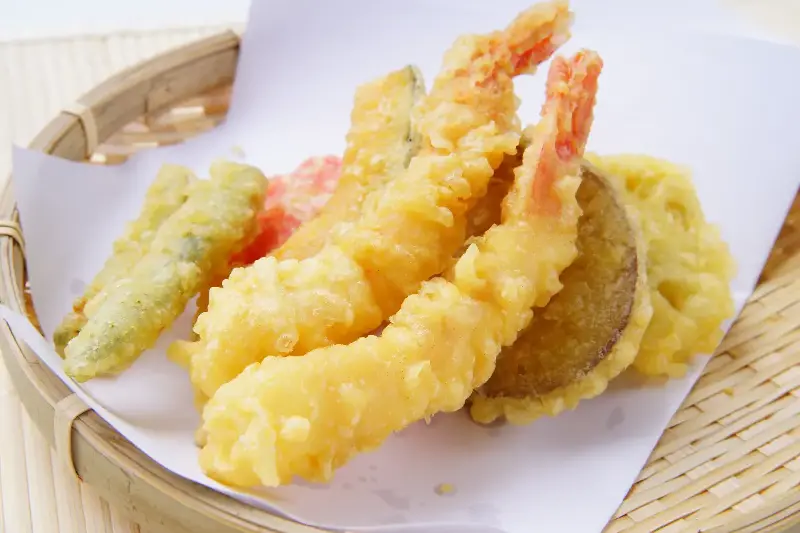
- The crust is gossamer-thin and almost transparent, letting the color of the vegetable or seafood peek through.
- No oily aftertaste, only a fleeting, savory memory that dissolves on your tongue.
Why We Crave That Crisp: The Science and the Soul
There’s a reason crispy foods make us swoon. That satisfying first bite releases a medley of aromas, triggers endorphins, and dances across your palate with both sound and sensation. In tempura, the lightness leaves room for the ingredient itself to shine - you’re tasting shrimp, not fried flour. It’s refinement, Japanese style.
How to Bring Tempura Home: Your Quick-Start Guide
Craving tempura’s signature crunch at home? A little attention to detail can go a long way:
- Use ice water, and chill your bowl if possible.
- Mix the batter only just before frying. It’s okay if it looks lumpy.
- Fry ingredients in small batches, so the oil stays hot and crisp.
- Drain fried pieces on a rack, not paper towels, to keep them from steaming.
- Eat immediately for peak texture - tempura waits for no one.
Final Takeaway: Less Is the Real Luxury
The beauty lies in its simplicity: the restraint of flavors, the elegance of lightness, the purity of technique. Next time vou savor a piece of tempura, remember the quiet dedication that goes into every crispy bite. And maybe, just maybe, vou’ll be inspired to chase that fleeting perfection in your own kitchen. After all, isn’t the pursuit of culinary wonder what makes every meal an adventure? Where will your craving for crispness take you next?