


Whether you spot them scampering through city parks or leaping gracefully between woodland branches, squirrels are among nature’s most adaptable and inventive mammals. Long admired for their bushy tails and cheeky behaviour, there’s far more to these furry creatures than meets the eye. From outsmarting predators high in the trees to becoming notorious snack hunters in urban gardens, squirrels have carved out a unique niche—both in nature and in the heart of city life. Let’s delve into some fascinating facts that showcase the squirrel’s remarkable world.
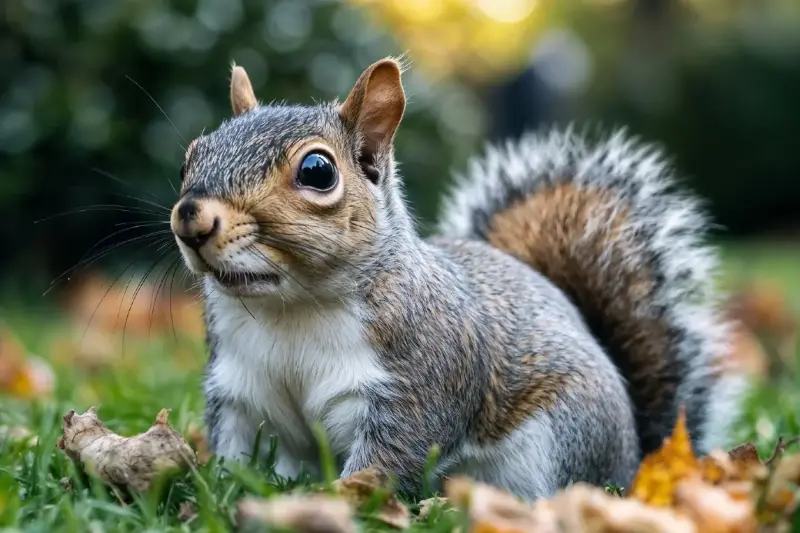
Daredevils Of The Canopy
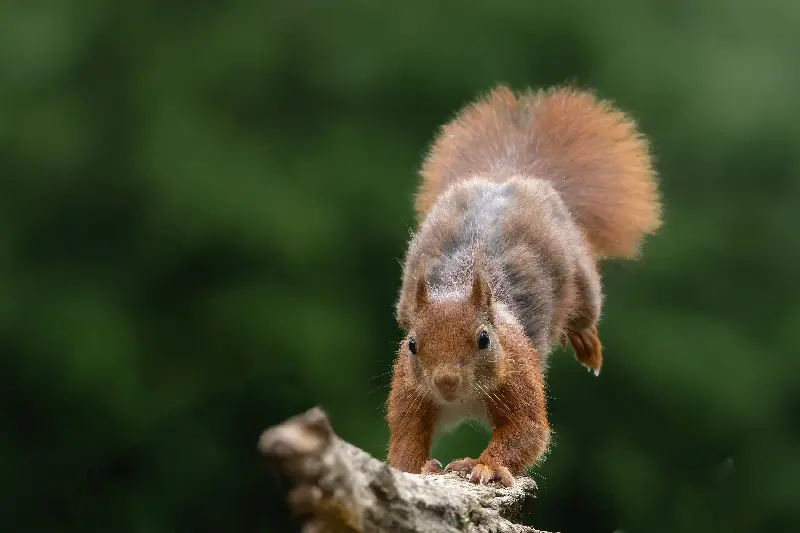
Squirrels are acrobats of the animal kingdom. In their woodland habitats, they can leap over distances of up to ten times their body length—an Olympic feat for anyone, let alone a creature often weighing less than a kilogram. These impressive jumps are made possible by their powerful hind legs and rotating ankles, which enable them to twist mid-air and land feet first, no matter the angle. Some species, like flying squirrels, possess a membrane of skin known as a patagium that stretches between their front and back legs. While they don’t truly “fly,” this adaptation allows them to glide up to 90 metres through the forest canopy, steering with their tails like furry kites.
Their daredevil abilities are not just for show. Agile climbing and jumping help squirrels escape predators such as hawks, foxes, and even domestic cats. Their unerring balance is aided by whiskers on their head, legs, and even tail, giving them constant spatial feedback. This means squirrels can dart along the narrowest garden fence or threading power lines with the confidence of a tightrope walker.
Urban Survivors And Tricksters
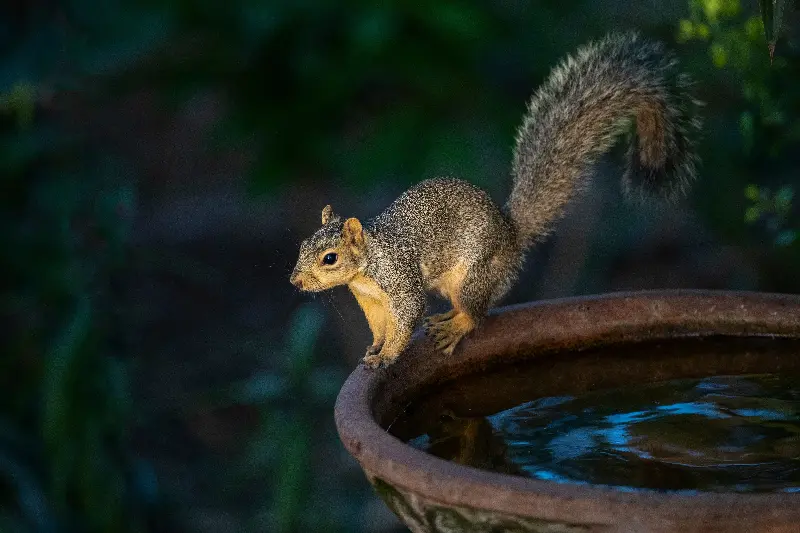
Far from being confined to forests, squirrels have proven themselves masterful urban survivors. As cities grew, squirrels quickly learned to exploit new environments, turning our parks, gardens, and backyards into their personal adventure playgrounds. They scale vertical brick walls, dash across busy roads, and even break into bird-feeders using complex problem-solving tactics.
Research has shown that squirrels observe and often mimic human behaviour, learning to assess when it’s safe to cross roads and how to navigate the human landscape. In many city centres, these animals have lost all fear of people, accepting food straight from outstretched hands or raiding picnic baskets with little regard for the owner’s protests. Squirrels have been spotted opening zipped bags, unhooking bird-feeder lids, and even memorising the bin collection schedule to maximise their scavenging.
Perhaps most clever of all, squirrels are notorious for their food-hoarding strategies. When autumn comes, both urban and woodland squirrels embark on marathon nut-burying frenzies, caching thousands of nuts across their territory. However, their memory can only stretch so far—the resulting forgotten nuts are responsible for thousands of new trees sprouting each year, a surprising benefit to forest regeneration.
Social Lives And Intricate Communication
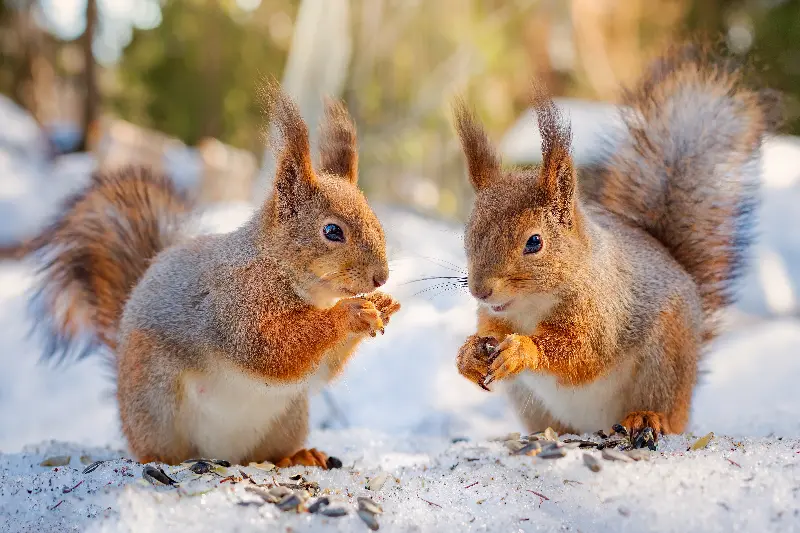
Contrary to popular belief, squirrels are not always solitary creatures. Some species, such as the red squirrel, do tend to lead independent lives, but others, like the African ground squirrel, form complex social groups with intricate hierarchies. Even in species that are less communal, mothers often keep their offspring close, fiercely defending their nests against intruders.
Communication plays a vital role in squirrel society. They employ an array of vocal signals—such as rapid barks, screeches, and 'kuk-kuk' warning sounds—as well as a rich repertoire of tail flicks and body movements. These signals can mean anything from “a predator is nearby” to a warning to rivals to stay away from their stash. In urban settings, observant city-dwellers may well have spotted squirrels waving their tails in what looks like frustration; in fact, this is a sign of vigilance or territorial display.
Unexpected Ecological Impact
Squirrels often get a bad rap for raiding bird-feeders or nibbling through attic insulation, but their ecological significance reaches much further. As seed dispersers, squirrels play a crucial role in maintaining healthy eco-systems. The act of burying nuts and seeds, later forgotten, encourages plant germination far from the parent tree. This scatter-hoarding behaviour helps diversify woodlands and boosts forest resilience.
In urban environments, squirrels act as a bridge between wild and human-dominated landscapes. By moving seeds and nuts throughout city parks, they help maintain green spaces and foster plant growth in unexpected places. Despite the occasional mischief or property damage, their contribution to biodiversity cannot be underestimated.
Squirrel Superpowers: Hidden Talents
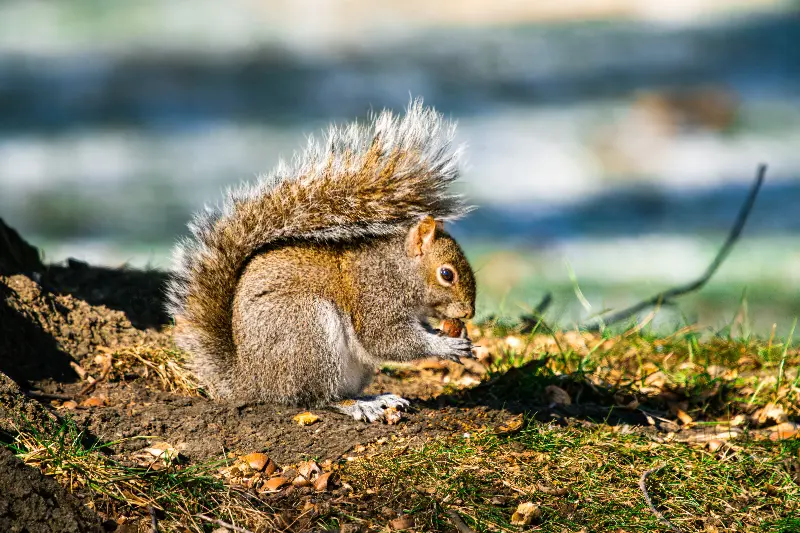
Beyond their athletic feats and social savvy, squirrels possess some overlooked talents. Their four front teeth never stop growing, allowing them to gnaw through bark, wood, and even tough plastic with ease—no wonder they can breach supposedly squirrel-proof feeders. Their sense of smell is so acute that they can detect buried nuts under more than 30 centimetres of snow.
Some squirrels have demonstrated the ability to “fake out” onlookers—pretending to bury food in one spot, while actually hiding it in another to throw off potential thieves. This level of deception is rare in the animal kingdom and highlights their advanced problem-solving skills.
Squirrels’ adaptability has even extended into the digital age. Videos and social media posts starring these resourceful rodents regularly go viral, capturing their curiosity, agility, and sometimes audacious determination to get what they want.
In the tapestry of urban and natural worlds, squirrels add colour, chaos, and charm. Next time you see one, consider it not just a common park resident, but a living testament to survival, intelligence, and the surprising wonders of wildlife.