


In a world teeming with diverse and fascinating creatures, certain animals captivate us at first sight with their undeniable cuteness. Yet, beneath this charming exterior often lurks a surprising, sometimes perilous, reality. While these adorable creatures have the power to make us swoon, they also command respect and caution due to their potentially dangerous nature. Let’s delve into the enchanting yet treacherous world of these animals and understand why beauty sometimes conceals the beast.
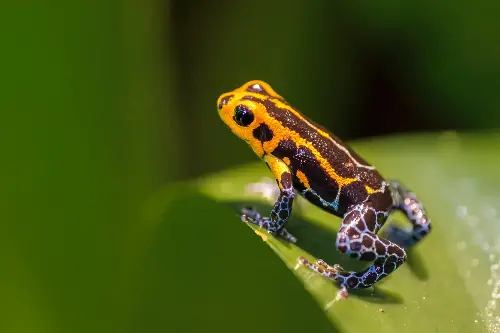
One of the most iconic representatives of this paradox is the poison dart frog. Small, vibrantly coloured, and seemingly harmless, this amphibian looks like a living jewel in the rainforest. However, its striking appearance serves as a dire warning. The skin of the poison dart frog excretes a potent toxin used by indigenous people to coat the tips of their blow darts. A single touch from this tiny creature, about the size of a paperclip, can deliver a dose of poison capable of causing convulsions, paralysis, and even death in humans. Their toxicity level varies among species, but caution and admiration go hand in hand when observing these frogs.
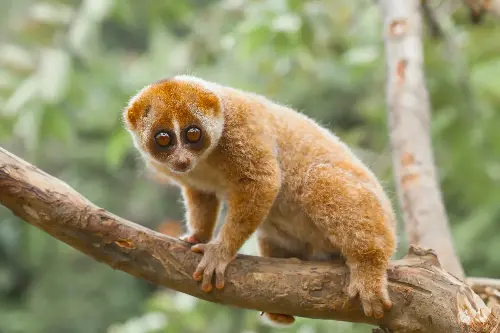
Another example of deceptive adorableness is the slow loris. With its big, soulful eyes and a gentle demeanour, it is easy to see why the slow loris is beloved by many. Yet this nocturnal primate harbours a secret weapon: toxic glands on their elbows. When threatened, they lick these glands, mixing the toxin with their saliva, which can then deliver a venomous bite. Reactions in humans can range from allergic reactions to potentially fatal anaphylactic shock. Despite their endearing appearance, the slow loris serves as a reminder that endearment does not equate to harmlessness.
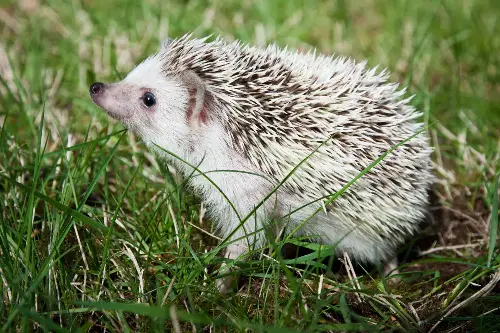
Hedgehogs are another example of cuteness cloaking danger. These small, spiky mammals are often depicted as adorable pets in various media. While they aren’t inherently aggressive, their sharp spines serve as a formidable defence mechanism. When threatened, a hedgehog can roll into a tight ball, presenting a sphere of spikes that can deter even the most persistent of predators. Moreover, wild hedgehogs can carry parasites and diseases transmissible to humans, such as salmonella, making handling them a health risk.
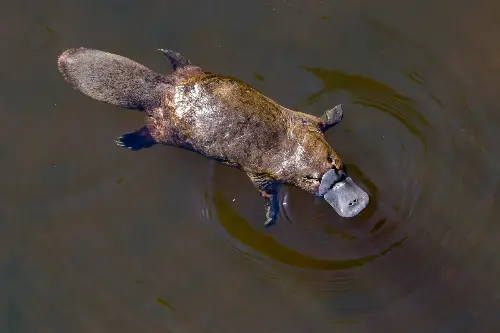
Likewise, the platypus stands out not only for its peculiar combination of a duck bill, beaver tail, and otter feet but also for its surprising defence mechanism. Male platypuses possess spurs on their hind legs that can deliver a venomous sting. This venom is not deadly to humans but can cause significant pain and swelling. The unique blend of the platypus's appearance and its ability to inflict pain put it high on the list of animals that embody the "cute yet dangerous" dichotomy.
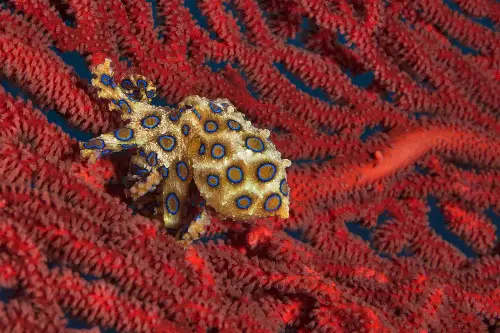
Moving to the ocean, we encounter the blue-ringed octopus. Often admired for its stunning blue rings that glow vibrantly when it feels threatened, this tiny creature, only the size of a golf ball, carries enough venom to kill 26 humans within minutes. The blue-ringed octopus's venom contains tetrodotoxin, a potent neurotoxin that leads to respiratory failure and paralysis. The fact that there is no known antivenom amplifies the risk associated with this beautiful yet lethal marine animal.
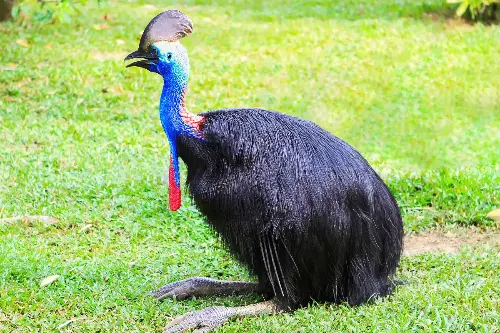
Our travels wouldn’t be complete without mentioning the cassowary, a large, flightless bird with an imposing presence and a striking, vivid blue and black plumage. Residing in the tropical forests of New Guinea and northern Australia, cassowaries may seem like overgrown exotic birds, but they possess a dagger-like claw on each foot. They can deliver powerful, swift kicks capable of inflicting severe injuries or even death. Their natural habitat and appearance might invite curiosity, but the cassowary's aggressive behaviour emphasises the need for respectful distance.
These examples illustrate the fascinating duality present in nature. Animals that appear irresistibly cute and harmless at first glance can possess traits that demand a significant degree of respect and caution. While their beauty and charm draw us in, their potentially dangerous characteristics remind us of the complexities and boundaries within the animal kingdom.
Ultimately, the message is clear: while it is natural to be enchanted by the allure of these cute animals, it is essential to remember and respect their wild nature. In doing so, we not only ensure our safety but also foster a deeper, more informed appreciation for the incredible diversity of life on our planet. So, next time you find yourself captivated by an adorable animal, take a moment to marvel at the remarkable balance of nature that these creatures epitomise.