


As the tapestry of family life becomes ever more colourful, pets often take their place alongside parents and siblings as integral threads woven into the fabric of the home. The addition of a pet to the mix can bring a multitude of benefits, enhancing the emotional landscape of a child’s life and bringing about a companionship that can be both rewarding and educational.
The bond between children and pets can be one of a kind, a treasured connection that can teach valuable life lessons such as responsibility, compassion, and empathy. To foster a positive pet relationship within the family, parents can play a nurturing role that encourages a bond built on respect and understanding.
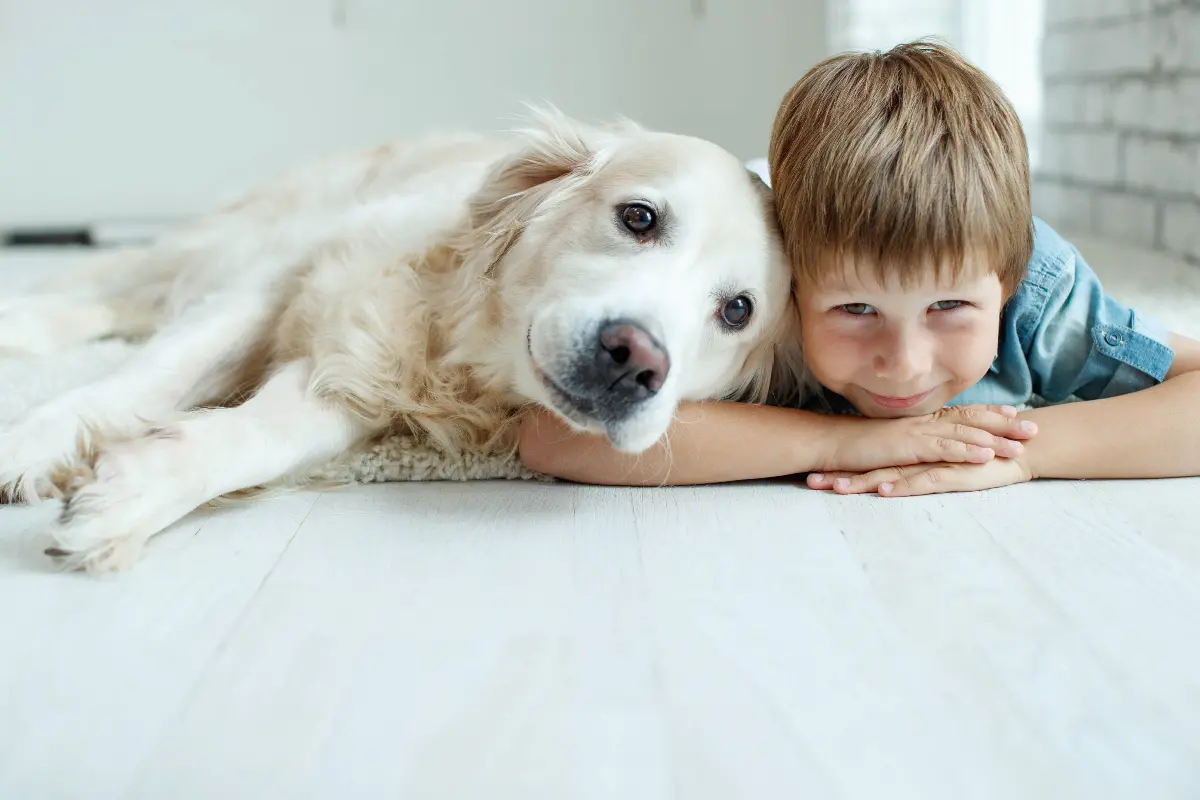
Firstly, the choice of pet is paramount. While dogs and cats are traditional favourites, other animals such as rabbits, guinea pigs, or even fish can also become beloved companions. The key is to match the pet's temperament and care requirements with your child's personality and age, as well as the family's lifestyle. While lively dogs may enjoy an active household, more tranquil animals can be suited to children with a calm demeanour.
Inquiring about a pet’s background and obtaining it from a reputable source is vital. Rescue centres can be an excellent avenue for adoption, providing a wealth of information about the pet’s character and suitability for children. Be mindful that some animals may require an adaptation period, particularly if they’ve had negative experiences in the past.
Establishing ground rules is a critical step in promoting a harmonious relationship between pets and children. Discuss with your child the importance of treating the pet gently, the significance of respecting their space (including where they eat and sleep), and the proper ways to interact and play with them. Building mutual respect from the outset can prevent future conflicts.
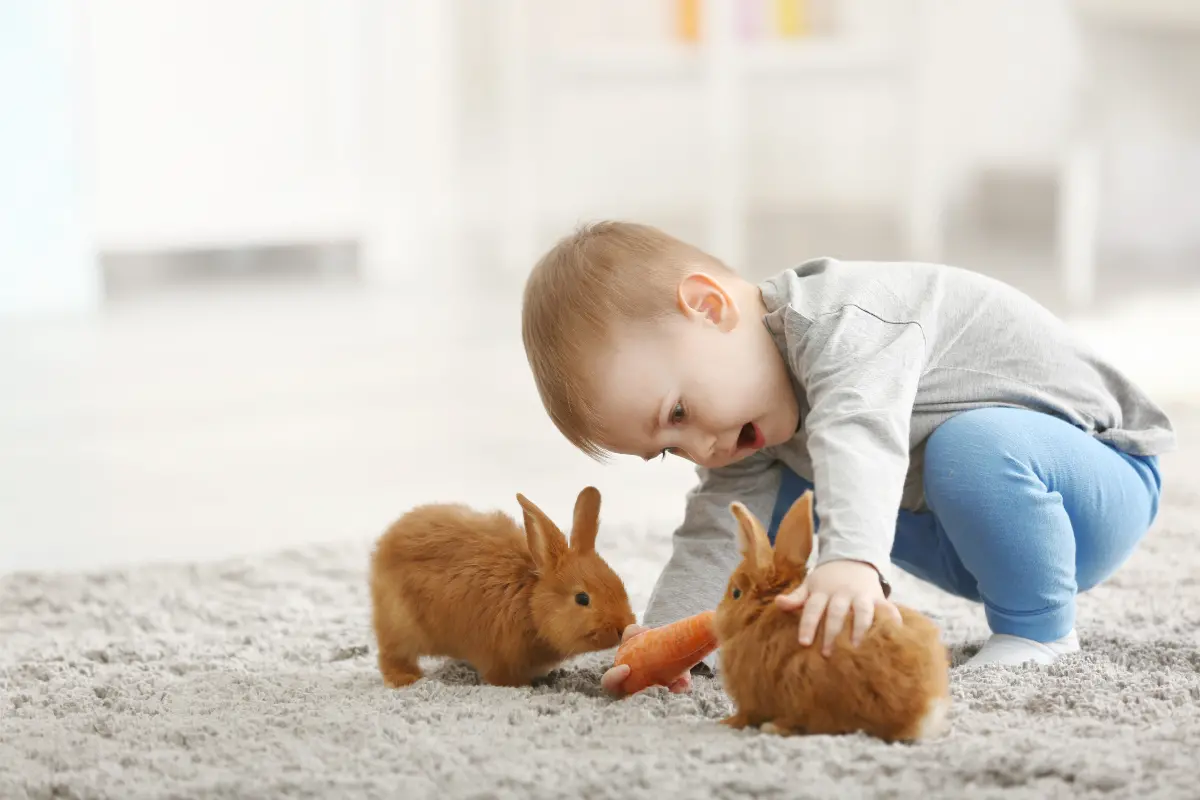
Education about pet care and the responsibilities that accompany it can also strengthen the connection. Engage your child in age-appropriate care activities such as feeding, grooming, and cleaning. For example, children can be responsible for measuring out food, brushing their pet’s coat, or maintaining the cleanliness of a hamster's cage. These shared activities not only solidify the bond but also instill a sense of responsibility.
The learning does not stop at care routines; understanding animal behaviour is an enlightening part of the process. Children can learn to read their pet’s body language and vocal cues, gaining insight into their moods and needs. This knowledge can foster a deep sense of empathy, teaching the child to consider the feelings and well-being of others.
Family involvement is essential. Pets often become central to family activities, such as walks, games, and even holidays. Ensuring that your pet is included in family plans can help build an inclusive environment where pets and children feel safe and loved. Furthermore, shared experiences like these create enduring memories and a lasting familial bond.

It's also essential to create a pet-friendly environment. Safe spaces for pets to retreat to when they need to, easily accessible food and water stations, and plenty of toys for stimulation can make a pet feel at home and facilitate easier interaction with children.
Compassionate intervention when necessary can prevent misunderstandings between pets and children. Consistent and gentle correction can guide a child on how to interact appropriately if they unintentionally upset the pet. Similarly, intervening when a pet's behaviour is less than ideal towards the child is important too. Consistent training for pets and ongoing education for children can improve their interactions over time.
The health benefits for children living with pets are not to be understated. Studies have suggested that children with pets can have stronger immune systems and are less likely to develop common allergies. Additionally, the presence of a pet can reduce stress and anxiety, providing comfort and companionship during challenging times.
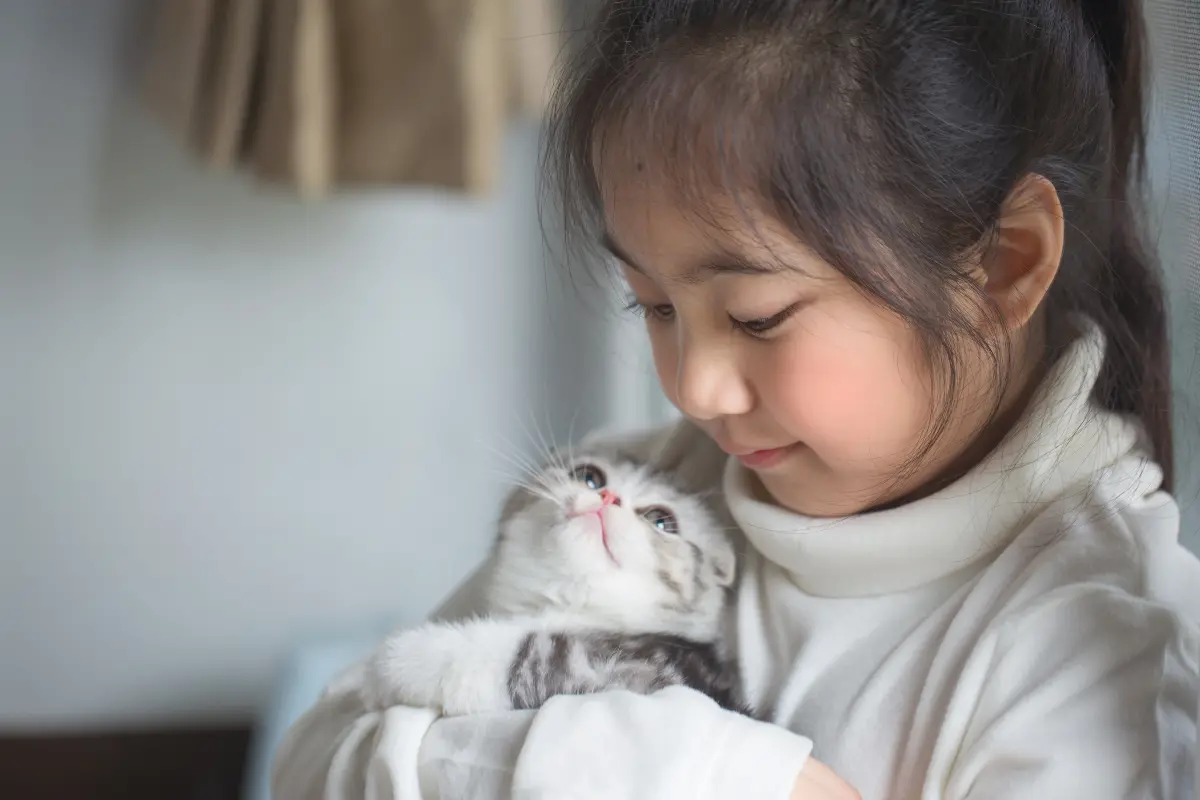
Finally, patience is the linchpin to nurturing a child-pet relationship. Bonds may not form overnight, and there may be growing pains along the way. Give the relationship time to flourish organically. Celebrate small achievements and milestones in the bond that your child and their pet are building.
It stands to reason that the relationship between a child and a pet can be one of life’s great joys. Through patient instruction, nurturing guidance, and responsible pet ownership, parents can help their children form lasting, profound bonds with their pets—a friendship that not only enriches the childhood experience but also imparts important values that last a lifetime.