


Your car is much like a good friend; it’s always there for you, getting you from point A to point B, making life much easier. But just like any friend, it needs a little attention and care to maintain a healthy partnership. One aspect of your vehicle that requires regular maintenance is the transmission, and more specifically, its oil levels. While it might not always be at the forefront of your vehicle maintenance checklist, low transmission oil can result in a number of issues that might lead to costly repairs down the line if not addressed in time.
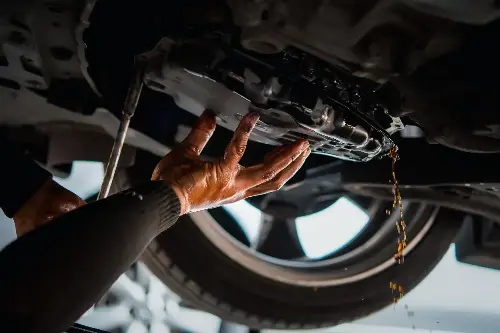
Recognising the Symptoms of Low Transmission Fluid
Before delving into the world of indicators and symptoms, it’s important to understand the role of transmission fluid. It lubricates the moving parts inside your transmission, helps maintain optimum operating temperatures, and facilitates gear shifts.
One of the first indicators that your transmission fluid may be low is trouble with gear shifts. You might experience rough or sluggish gear changes, or your car might unexpectedly shift into a different gear. In manual cars, it might become more difficult to shift gears, while automatics might not shift smoothly or promptly.
Noise and transmission response are other telltale signs. If you hear a whining, buzzing, or humming noise while driving, especially during gear changes, it’s time to check your transmission fluid levels. Additionally, a delayed response when shifting from 'park' to 'drive' or 'reverse' could also indicate low transmission fluid.
Look Out for Leaks and Overheating
A common and easily spotable symptom is a leak. Transmission fluid is typically bright red, clear, and has a sweet smell. If you spot this fluid on your driveway or garage floor, it’s a clear signal that you might be running low and there might be a breach in your system.
Overheating is another major concern when running on low transmission fluid. Since the fluid helps keep the transmission cool, insufficient fluid can lead to overheating, which might not only damage the transmission but also affect the vehicle's performance.

Check the Dashboard
Many modern cars are equipped with sensors that trigger a warning light on the dashboard for various issues, including low transmission fluid. If you see a warning light that you don’t recognise, check your owner’s manual – it might be time to have your transmission fluid levels checked.
Regular Maintenance – A Necessity, Not an Option
Understanding the importance of regular maintenance can save you from unexpected breakdowns and extend your car’s lifespan. Your vehicle’s transmission fluid should be checked regularly, and most manufacturers recommend a transmission fluid change every 50,000 to 100,000 miles, although this can vary depending on usage and the make and model of your vehicle.
It is generally a straightforward process to check the transmission fluid level yourself. Most cars have a dipstick specifically for this purpose, similar to the engine oil dipstick. The vehicle should be running, parked on a level surface, and warmed up to operating temperature to get an accurate reading. Pull out the dipstick, wipe it clean, reinsert it fully, and then pull it out again to check the level. If the fluid is below the 'full' mark, it might be time to top up or change the fluid.

The Colour and Smell of Health
Not only quantity but the quality of the transmission fluid is important. Good transmission fluid is typically a bright, clear red. If it appears dark, brownish, or has a burnt smell, this might suggest the fluid has oxidised and the transmission could be at risk of damage. In this case, a full transmission fluid change, rather than a top-up, is often necessary.
Take Action and Stay on the Road
Ignoring indicators of low transmission fluid can lead to severe damage and potentially a complete transmission failure. This is not only inconvenient but can also be incredibly costly. Therefore, listening to your car when it tries to communicate with you can save you time, money, and stress.
In conclusion, your car might not speak, but it has its own ways of telling you when it needs a little TLC. Paying attention to its silent signals, especially concerning the transmission fluid, can make the difference between a smooth ride and a rough road ahead. Keep an eye on the signs, maintain regular checks, and you’ll ensure that your vehicular companion stays healthy and reliable for all the journeys yet to come.