


Spicy foods, often associated with bold flavours and sometimes even culinary daredevilry, have a devoted following around the globe. From the fiery vindaloos of India to the zingy jerk seasoning of Jamaica, chilli peppers and spices are central to various culinary traditions. Yet, beyond their ability to transform a bland dish into something mouth-watering, spicy foods also confer an array of surprising health benefits that are steadily backed by scientific research.
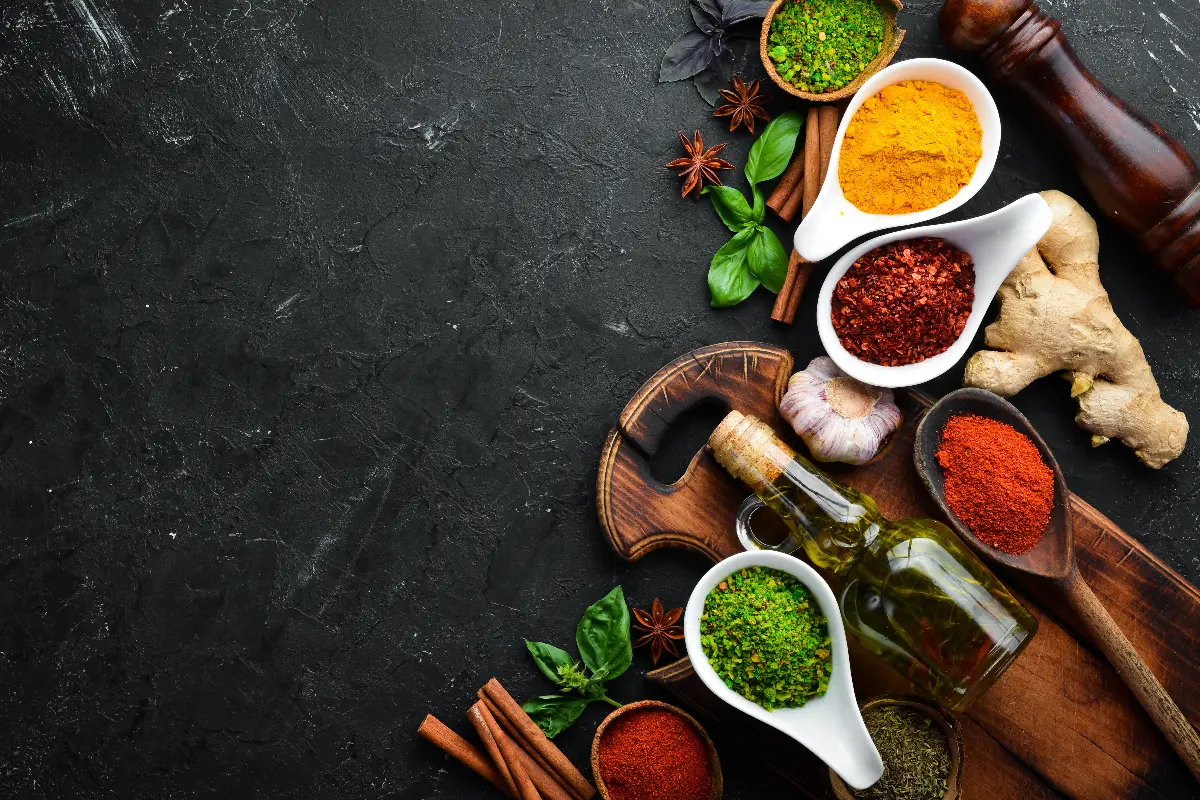
Firstly, consuming spicy foods can contribute to weight loss. Capsaicin, the compound responsible for the heat in chillies, has been shown to promote a process called thermogenesis, where the body burns calories to produce heat. This boosts metabolism temporarily, which can aid in weight management. Additionally, the piquant flavour of spicy fare tends to slow down the eating process, as one needs to take more time to savour and cope with the heat. This slower pace can lead to a decreased consumption of food and a more satisfied feeling of fullness, preventing overeating.
The health benefits of spicy food extend to the heart. Studies have indicated that cultures with a tradition of eating hot food have lower rates of heart attack and stroke. Capsaicin is thought to contribute to the reduction of cholesterol in the body, and it could help in fighting inflammation, which is a risk factor for heart problems. Furthermore, spices like turmeric, which contains curcumin, are celebrated for their anti-inflammatory properties, which can further enhance cardiovascular health.
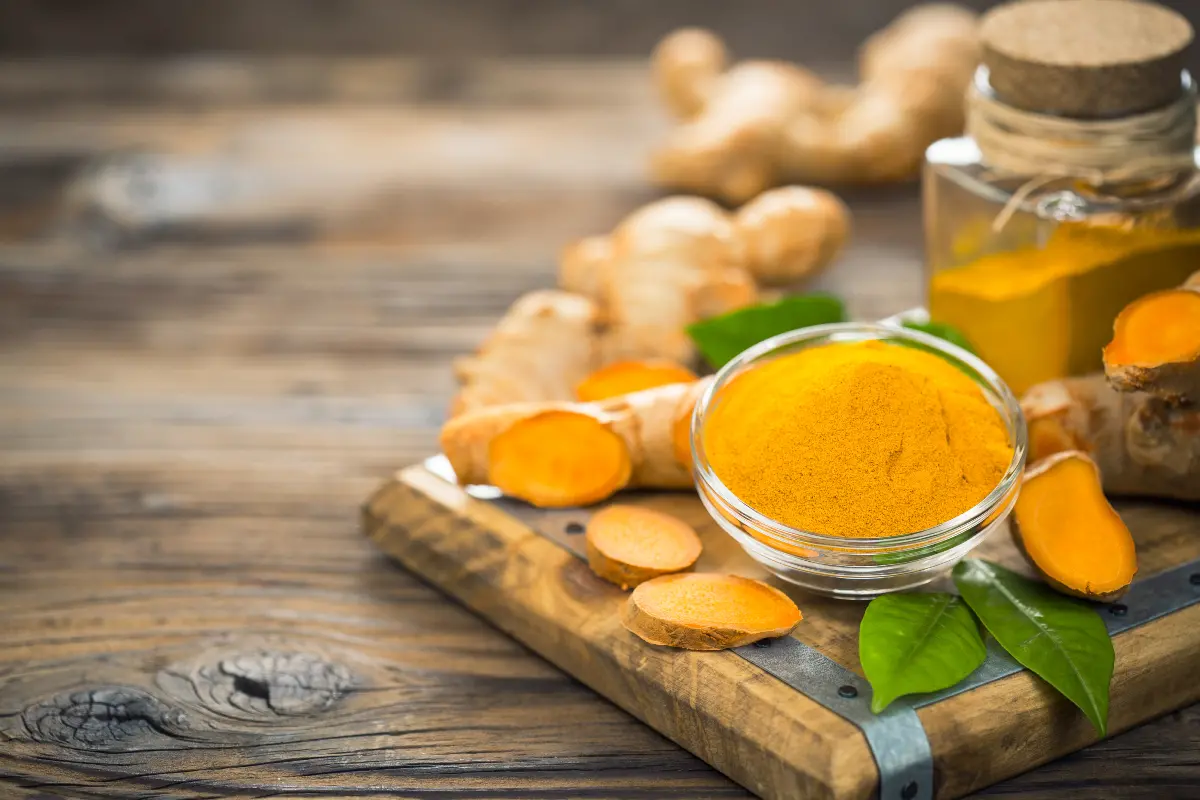
Spicy food enthusiasts may also be interested to know that their favourite dishes could be providing them with some defence against cancer. Capsaicin has been found to kill certain cancer and leukemic cells in lab experiments. Of course, eating spicy food is not a standalone therapy, but incorporating it into a balanced diet can be a plus in a comprehensive health strategy. Additionally, the anti-inflammatory properties of many spices can contribute to lowering the risk of certain types of cancer.
Another point in the win column for spicy foods is their potential role in pain relief. Capsaicin, once again, steals the show by acting on pain receptors in a way that diminishes pain sensitivity over time. This surprising feature has led to its use in topical creams for treating arthritis and nerve-related pain conditions. Eating spicy food might offer a modest internal application of this principle, although more conservative remedies would provide a more targeted approach.
There’s also good news for cold and flu sufferers: adding a kick to your meals might help mitigate symptoms. Spices can act as expectorants, making it easier to clear congestion. The sweating one undergoes after a particularly hot dish is akin to a minor session of steam therapy, potentially helping to relieve blocked sinuses.
Furthermore, spicy foods offer significant benefits for combating bad breath and might even improve overall oral health. The antimicrobial properties of many spices, such as cloves and cardamom, help to kill the bacteria that can lead to dental woes and bad breath. Of course, this shouldn't substitute for regular brushing and flossing, but it might offer an additional line of defence.
Cognitively, too, there are reasons to reach for the chilli bottle. Capsaicin's ability to boost blood circulation might also enhance cognitive function by increasing blood flow to the brain. Although this is a burgeoning field of study, the thought that your evening curry could be giving your brain a small boost is an enticing one.
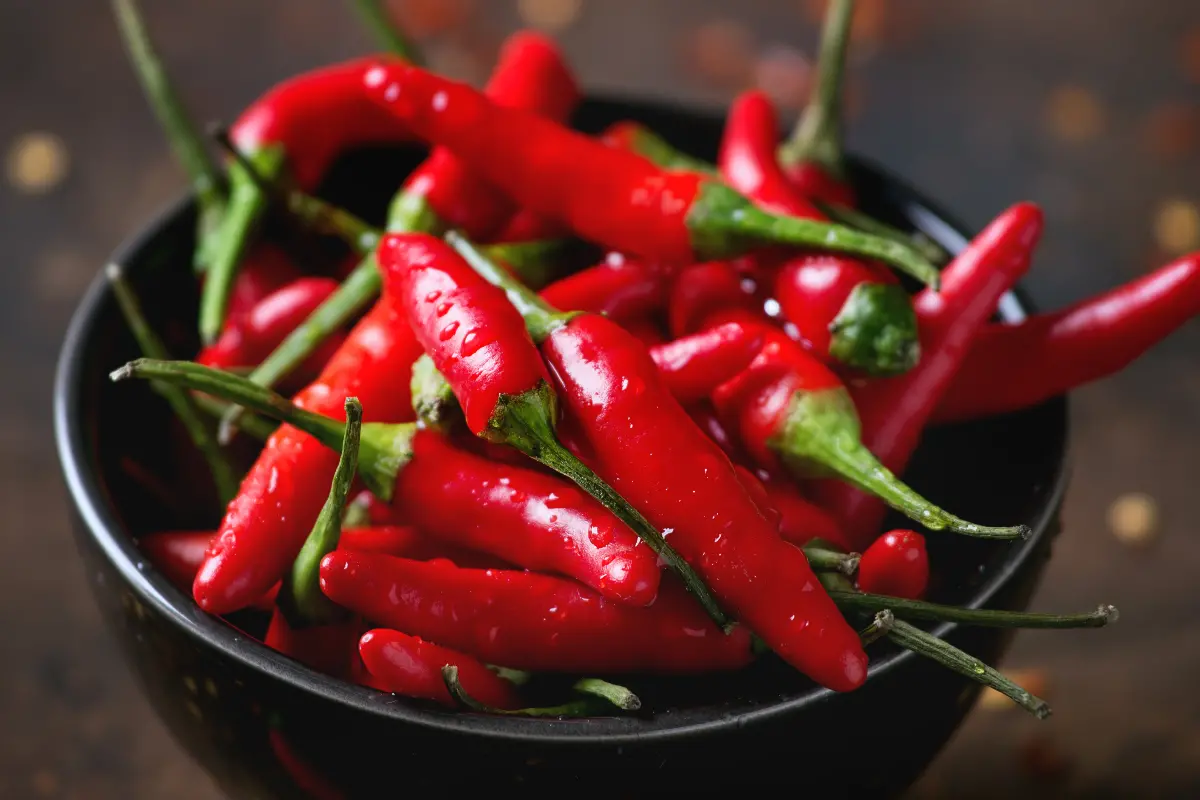
It is worth noting, though, that not all spice is created equal, nor is everyone equally equipped to handle it. People with gastrointestinal issues, for instance, might find that spicy foods exacerbate their symptoms. As with many things, moderation is key.
Spicy foods might also interact with certain medications, and it's wise to consult a health professional if there are any underlying health concerns. For example, capsaicin can increase the risk of bleeding with certain medications due to its blood-thinning properties.
Incorporating spicy foods into one’s diet can be a delightful exploration of flavours and cultures, but it's important to be mindful of personal tolerance levels. Start small, gauging your body's reaction to the heat, and increase gradually. A simple dash of cayenne pepper on your avocado toast, a shake of crushed red pepper on pasta, or a finely diced jalapeño in your salad dressing can introduce not just an explosion of flavour but also the potential health benefits that come with it.
Given these surprising health benefits, it's easy to see why spicy foods might deserve a regular place at the dining table. So, the next time you reach for that bottle of hot sauce or ponder whether to add an extra chilli to your stir-fry, remember that you might be doing more than just pleasing your palate; you could be contributing positively to your overall health.