


Immersing oneself into the tranquil world of aqua-scaping is not merely about cultivating an aquarium; it is an art form that harmoniously merges aquatic gardening with imaginative design to create a captivating underwater landscape. Aqua-scaping transforms a simple fish tank into a living, breathing piece of aquatic art, providing a visually stunning centrepiece for any room. By mingling textures, colours, and life, aquarists build an ecosystem that is not only a habitat for fish but also a bespoke expression of their creativity.
Understanding the Essentials: Substrate and Layout
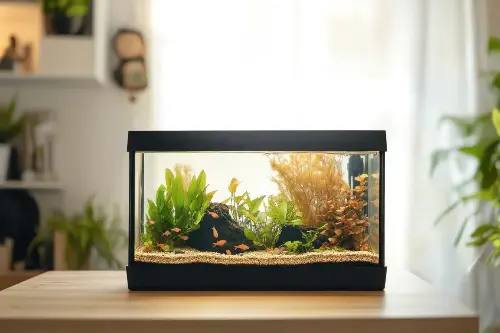
Foundational to any aqua-scape is the choice of substrate—the material that lines the bottom of the tank. The substrate plays a critical role in the health of the tank's ecosystem, affecting everything from water quality to root growth. Options range from nutrient-rich soil, ideal for plant growth, to inert substrates like sand or gravel, which are more suited for tanks focusing on fish or hardy plant species.
As for layout, many aqua-scapers draw inspiration from the "golden ratio" or "rule of thirds," principles that have guided artists for centuries. Applying these concepts to the tank, one envisages the space in three sections, placing key elements so the eye naturally travels throughout the scene. Thoughtful positioning of rocks, driftwood, and plants contributes to the appearance of depth and flow, guiding an admirer's gaze through the watery tableau.
The Living Palette: Choosing the Right Plants and Fish
Each plant and fish species added to an aqua-scape not only contributes to its aesthetic appeal but also to the balance of the miniature ecosystem. Aquatic plants come in a variety of shapes and colours, from the vibrant greens of Anubias to the red hues of Ludwigia. Carpeting plants like Dwarf baby tears can create lush green floors, while taller species such as Java fern provide height and structure.
Choosing fish species that complement your aqua-scape and inhabit different levels of the water column will give a sense of vibrancy and movement. Species like Neon Tetras or Harlequin Rasboras are known for their schooling behaviour and an impressive flash of colour, while bottom-dwellers like Corydoras clean up excess food and hover around intricately placed stones and wood.
Balancing the Elements: Light, CO2, and Fertilisation
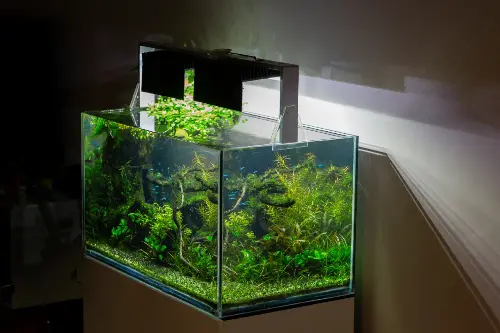
Proper lighting is the lifeblood of any aqua-scape. Both intensity and duration must be calibrated to the specific needs of the plants within the tank. LED lighting systems are widely favoured for their longevity and customisability, perfect for tweaking to mimic natural daylight cycles and support plant growth without encouraging algae.
Carbon dioxide (CO2) supplementation can be pivotal in a planted tank. Plumbing in a CO2 system encourages robust plant growth and can help achieve those lush, verdant aqua-scapes craved by hobbyists. Finally, regular fertilisation with macro- and micronutrients ensures that plants remain healthy and vibrant within their aquatic environment.
The Subtle Art of Maintenance: Trimming and Cleaning
To maintain the visual impact and health of your underwater garden, routine maintenance is essential. Plants will grow and change, requiring periodic trimming to keep them in scale with the layout. Trimming also encourages bushier growth and prevents plants from overshadowing their neighbours.
Additionally, keeping the water crystal clear and free from algae is a perpetual task in aqua-scaping. A combination of effective filtration, regular water changes, and careful nutrient management can keep the water quality high and algae at bay, allowing the full splendour of your aqua-scape to shine through.
Personal Touch: Adding Unique Accents
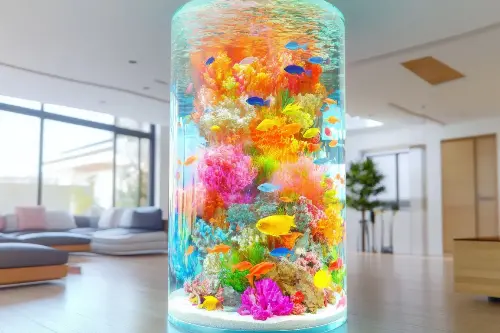
Once the framework is laid, the aquarist's personal flair comes into play. Many aqua-scapers use unique materials to add distinctive characteristics to their tanks. This might include unusual varieties of wood, such as Manzanita or Bonsai trees, that create stark, intriguing silhouettes, or innovative use of rocks to develop breathtaking cliff-like structures.
Accessories like background films can accentuate the depth and mood, or substrate supports can be used to create elevated hills and valleys. Every detail contributes to the story that your aqua-scape narrates, from serene forest-scapes to dynamic riverbeds, the only limit is imagination.
The Whimsical World of the Enthusiast: Community and Competitions
The aqua-scaping community is vibrant and expansive, comprising individuals who are eager to share their knowledge and passion. Online forums and social media groups are valuable resources for novices and experts alike, providing a platform for discussion, advice, and encouragement.
Moreover, aqua-scaping contests have gained popularity around the globe, with renowned competitions such as the International Aquatic Plants Layout Contest (IAPLC) showcasing extraordinary aqua-scapes that push the boundaries of creativity and skill.
The art of aqua-scaping invites you to sculpt a living, aquatic masterpiece that mirrors your personal aesthetic and fascination with nature. It challenges one to consider not only the visual splendour but also the delicate balance of life housed within the glass walls. Whether you embark on this journey for the love of aquatics, horticulture, or simply the desire to create something beautiful, aqua-scaping offers a captivating blend of art and science that can enrapture and engage anyone willing to delved into its depths.