


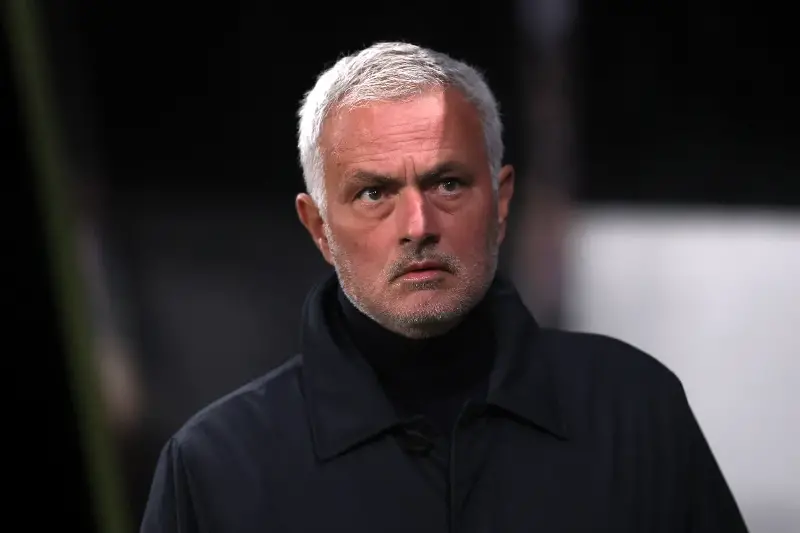
The football world has been rocked by a monumental announcement regarding the managerial hot seat at the Santiago Bernabeu. Renowned transfer market authority Fabrizio Romano has officially confirmed that Real Madrid have finalized a major contract extension with their manager, Jose Mourinho. The new agreement adds another year to the Portuguese strategist's tenure, securing his leadership in the Spanish capital until June 2029.
According to reports, the legal details have been completely wrapped up and approved by both Mourinho and the club's legal representatives. With the tactician scheduled to arrive in Madrid next week to formalize the paperwork, the famous "Here we go" catchphrase has officially sealed the deal. This long-term commitment marks a defining moment for the future of the club, signaling a clear structural shift.
A Calculated Strategic Transformation
Bringing Mourinho back to replace interim manager Alvaro Arbeloa is far from a sentimental or nostalgic gesture by the club's board. Instead, the club leadership views this as a cold, carefully calculated strategic masterstroke. The current squad boasts an array of players with immense physical power, elite tactical intelligence, and a natural instinct for transitional play.
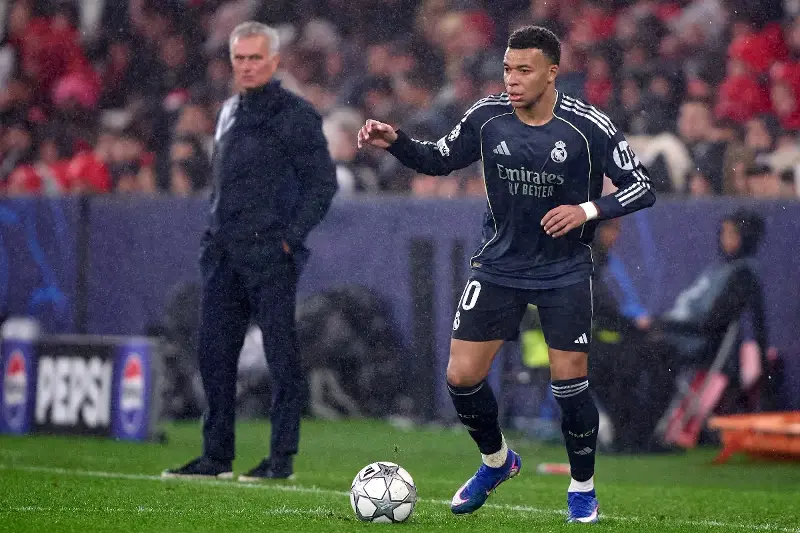
Entrusting this highly dynamic group of players to a proven master of space control and defensive organization is seen as the perfect match. Mourinho excels at punishing opponent mistakes, and his blueprint for this squad is already taking shape. Football analysts predict that a deeply disciplined 4-2-3-1 system will serve as the tactical foundation for this new era. Real Madrid will no longer focus on maintaining comfortable but passive possession, opting instead to build an impenetrable defensive block that can explode with devastating speed the moment an opponent slips up.
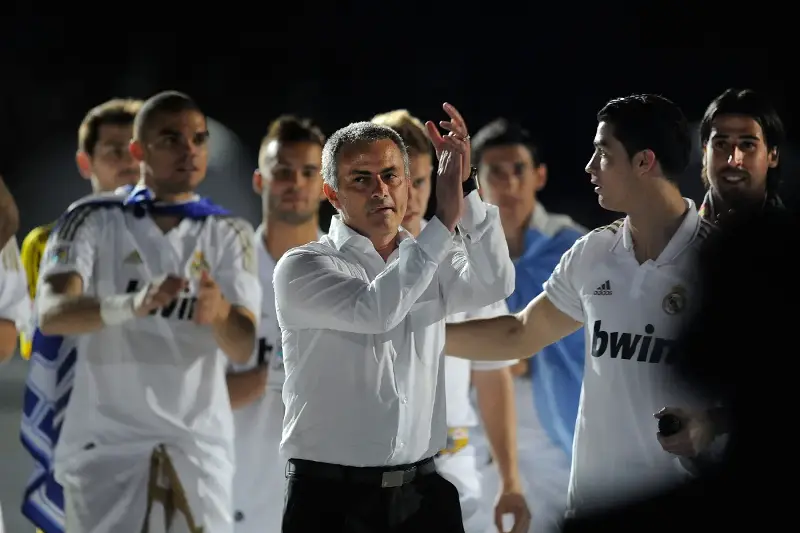
The Engine Room And The Dynamic Duo
To make this blueprint a reality, the midfield will undergo a functional evolution. The central engine room will be anchored by a robust defensive duo, relying on a flexible rotation between Aurelien Tchouameni, Federico Valverde, and Eduardo Camavinga. These individuals possess the exact attributes Mourinho covets: high energy, elite ball-winning capabilities, and the vision to deliver lethal, direct long-range passes over the top of opposition lines.
Their primary responsibility will be to disrupt the opponent's attacking rhythm, suffocate passing lanes, and instantly transition from defense to attack. By controlling the central zones through sheer physicality and spatial awareness, this midfield setup will provide the safety net required for the rest of the team to advance with absolute confidence.
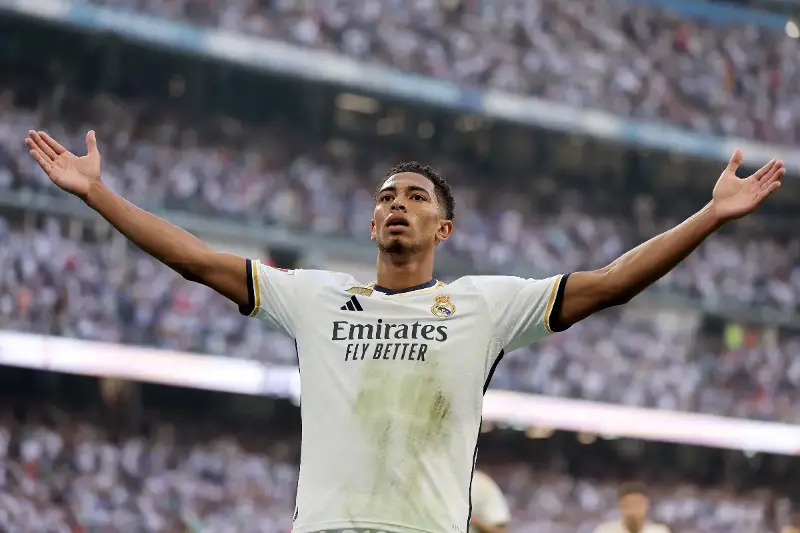
Jude Bellingham In A Crucial New Role
Perhaps the most fascinating aspect of this tactical overhaul lies in how the English superstar will be deployed. Rather than playing as a standard attacking midfielder, the club's prized number 10 will operate as a textbook box-to-box number 8. Mourinho plans to utilize the player's incredible stamina and defensive work rate to full effect.
In this specialized role, he will constantly drop deep into his own half to support the defensive line and crowded midfield. However, the moment the ball is recovered, he will be given the license to burst forward into the penalty area, using his physical strength and timing to finish off opponents. His versatility makes him the ultimate weapon in a system designed to stretch and break opposition shapes in the blink of an eye.
The Birth Of A Ruthless Counter-Attacking Machine
Under this new long-term regime, fans should not expect a cumbersome, possession-heavy style of play that prioritizes lateral passing. Mourinho is returning to his roots, intending to construct a ruthless, clinical machine that values efficiency above entertainment.
With incredible pace on the wings and strict discipline across every line, the manager has all the raw ingredients necessary to recreate his most iconic tactical philosophies. Real Madrid will be perfectly comfortable absorbing heavy pressure, safely organizing their defensive ranks, and then punishing teams with just two or three lightning-fast vertical passes. The message to the rest of Europe is clear: a calculated, clinical powerhouse is being built in Madrid.