



In a world of high-speed ferries and computerized yachts, the sight of a classic wooden boat gliding over water is enough to stop anyone in their tracks. There’s something instinctively captivating about these vessels—a blend of elegance, tradition, and human ingenuity. Whether you’re an avid boater, a hobbyist, or simply a lover of beautiful things, the allure of wooden boats remains timeless, with their rich history, signature brass accents, and painstaking craftsmanship shining through every detail.
The Romance Of Wood On Water
There’s a reason wooden boats evoke nostalgia and romance. Wood has been humanity’s chosen boatbuilding material for thousands of years, used by ancient Egyptians on the Nile and the Vikings across stormy seas. With each plank and rib, every boat tells a story—a narrative carved in oak, mahogany, or teak.
The sensory experience of wood is unmatched: the mellow scent of linseed oil, the warmth under sunlight, and the subtle creak of timbers at anchor. Unlike mass-produced fiberglass boats, wooden vessels age gracefully, acquiring character with every season. Some classic wooden boats, lovingly maintained, still perform gracefully at the hands of their original owners’ grandchildren.

The Art Of Craftsmanship
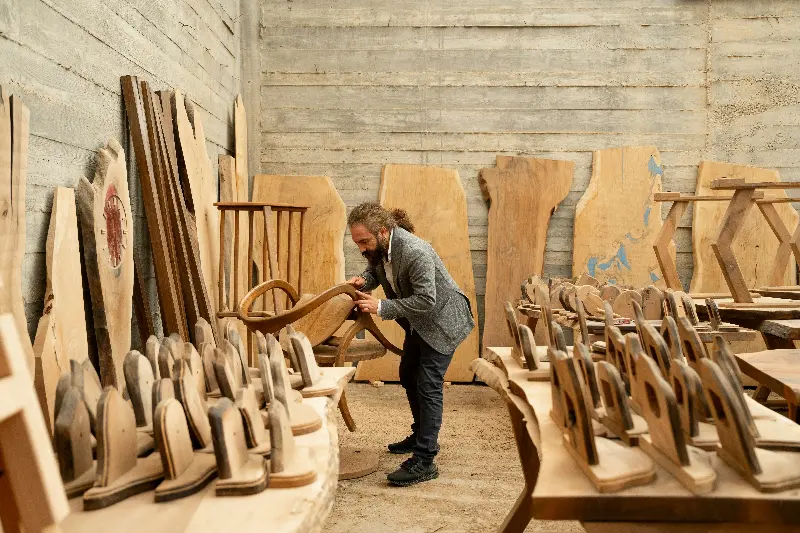
Building a wooden boat is no small feat. It’s a discipline that relies as much on skilled hands and traditional knowledge as it does on modern tools. Craftsmen—often called shipwrights—must balance mathematical precision with artistic sensibility. The process begins by selecting the right wood. Hardwoods like mahogany and teak are prized for both their durability and beauty, while softwoods such as cedar are chosen for their lightness and flexibility.
Each detail matters, from the seamless curves of the hull to the dovetail joints hidden beneath the deck. This is a dance between nature and skill; even minor miscalculations can throw off a boat’s balance, speed, and ability to weather the waves. Traditional methods such as “steam bending” timber allow for those gracefully arched ribs, and hand-planed planking ensures a watertight seal.
Veteran shipwrights often say they “know a boat by feel.” Years of experience mean they can spot imperfections that a machine might overlook. As a result, no two wooden boats are ever quite the same—a quality that gives these vessels unique personality.
The Lustrous Touch Of Brass
While wood forms the soul and skeleton of a classic boat, the gleaming brass details bring it to life. In the early 1900s, as yachting rose in popularity, brass became the metal of choice for fixtures—from cleats and helm wheels to navigation lights and railings. Its unmistakable golden glow, especially after a fresh polish, transforms practical hardware into works of art.
More than just decorative, brass resists saltwater corrosion far better than iron or steel, making it practical for marine environments. Over generations, the connection between wooden boats and brass hardware grew inseparable, each accent reflecting the era’s design trends. For some boat owners, the ritual of polishing brass is a point of pride, bonding them with the vessel’s history while keeping tradition alive.
Legacy And Tradition On The Waves
Today, wooden boats continue to draw enthusiasts from across the globe. Restoration projects have become a cherished pastime for many, with events like the WoodenBoat Show in Mystic, Connecticut or the Lake Tahoe Concours d’Elegance drawing crowds and competitors each year. Here, crowds marvel at the meticulous restoration of everything from elegant launch boats to rugged fishing skiffs. For these aficionados, saving a classic boat is about more than personal nostalgia—it’s about preserving a piece of maritime culture.
At these gatherings, stories and techniques are shared freely. You’ll find expert builders demonstrating time-honored skills and newcomers learning to caulk a seam or varnish a deck. Community is central—the act of maintaining and using wooden boats fosters camaraderie, respect for history, and often, close family bonds. Many wooden boats are handed down from one generation to the next, along with logs detailing their journeys and repairs.

A Modern Renaissance
The appeal of wooden boats isn’t just historical. In an era focused on sustainability and craftsmanship, more hobbyists and designers are rediscovering the joys of wood and hand-wrought brass. Contemporary wooden boats, sometimes blending traditional construction with subtle modern advances—like epoxy resins or solar-powered systems—offer a best-of-both-worlds experience.
Workshops around the world now teach everyone from children to retirees how to build canoes, kayaks, and even replica sailboats. These courses don’t just pass down skills. They inspire new generations to appreciate the beauty of working with natural materials, and to understand the patience and precision underlying each finished vessel.
Wooden boats, at their core, celebrate a slower, more thoughtful relationship with the water. They remind us of a time when journeys were cherished and destinations revealed at a gentler pace.
There’s nothing quite like tracing your hand across the sun-warmed rail of a wooden boat, glinting with polished brass, knowing it was shaped by human hands with care. In a rapidly changing world, wooden boats remain beautiful testaments to endurance, artistry, and the timeless human urge to explore.