



The soft clatter of pans, the scent of something delicious simmering on the stove, and the sound of laughter shared over a simple meal—these are moments that often define the heart of a home. Kitchens have long been revered as the center of family life, but today’s modern kitchen is more than just a place to prepare food. It’s a lively hub where relationships are built, traditions are passed down, and memories are made. As design philosophies and family dynamics evolve, the modern kitchen continues to play a pivotal role in nurturing family love.
From Functional To Social: The Kitchen’s Transformation
Traditionally, kitchens were tucked away, designed purely for culinary function and hidden from visiting guests. Those days are long gone. The contemporary kitchen is open, airy, and often merges with living and dining spaces. This shift is not just an aesthetic trend; it reflects a deeper societal change in how we prioritize connection.
The open-plan kitchen creates an environment where everyone can participate—from kids doing homework at the island bench to parents cooking together or catching up over coffee. Even guests are now welcomed into the kitchen, breaking the old taboo of limiting visitors to the living room. This integration blurs boundaries and invites a sense of warmth and inclusivity, dissolving barriers between cooking, entertaining, and everyday living.
Meal Sharing: A Ritual That Binds
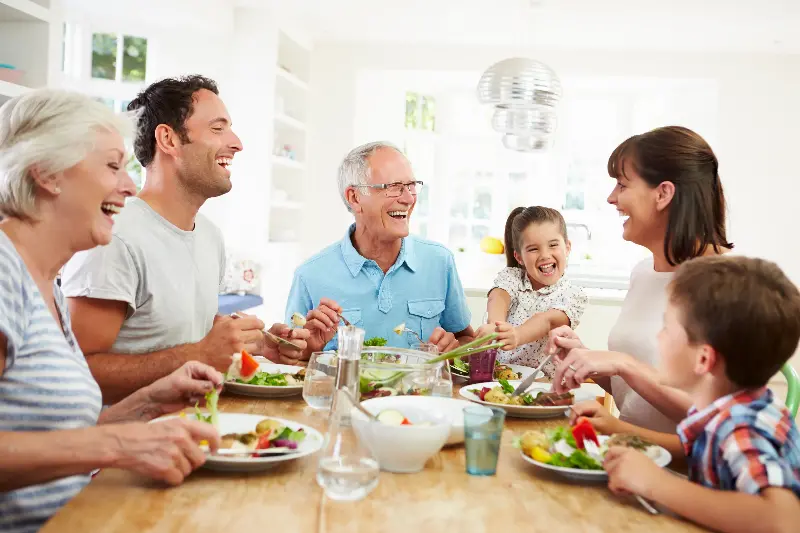
Across cultures and generations, sharing a meal has been symbolic of unity and love. Studies even show that families who eat together enjoy stronger relationships and improved wellbeing for children. The act itself—coming together at the end of a busy day—creates a pause where everyone can reconnect, share stories, and offer support.
The modern kitchen’s design supports this ritual. Islands and breakfast bars draw family members around, encouraging interaction during food preparation and eating. The “eat-in” kitchen is more than a trend; it fosters togetherness, making it easy for everyone to contribute, whether it’s setting the table, stirring a sauce, or simply keeping the cook company.
Design Elements That Spark Connection
Contemporary kitchen design centers around encouraging participation. Large islands serve as makeshift stages for culinary adventures, while open shelving keeps tools and ingredients within easy reach, demystifying the process for young or inexperienced cooks. Appliances have also become sleeker and more user-friendly, transforming chores into enjoyable activities that everyone can share.
Lighting plays a key role in shaping mood and setting the scene for intimacy. Layered lighting—combining overhead lights with warm task and accent fixtures—makes kitchens inviting even after the cooking is done. Thoughtful design touches like cozy breakfast nooks, family message centers, or chalkboard walls encourage creativity and sharing. These elements remind everyone in the home that the kitchen is a place to gather, converse, and create lasting bonds.
Passing Down Traditions And Creating New Ones
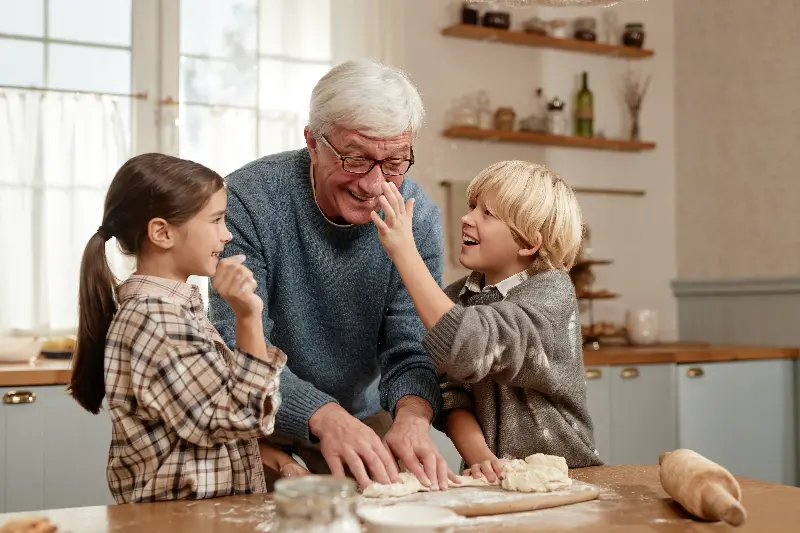
The kitchen is where family recipes are handed down, holiday cookies are baked, and birthday cakes are decorated—often “helped” by little hands eager to lick the spoon. These small but meaningful traditions embed a sense of identity and continuity. When grandparents share a favorite recipe or parents teach children how to make pancakes, they’re passing not just skills, but love and stories.
Modern families are also inventing new kitchen-based traditions. Taco Tuesdays, smoothie Saturdays, or weekend pizza parties become special markers in the week, relished by kids and adults alike. Technology, once seen as a distraction, now aids the process—smart speakers double as timers or music sources, and video calls let distant relatives join in on milestone family meals virtually.
The Emotional Benefits Of Kitchen Time
Spending time together in the kitchen isn’t only about eating well; it’s about feeding the soul. Experts note that cooking and eating together can reduce stress, enhance communication, and build resilience in children. Kids who help with meal prep show higher self-esteem and develop lifelong healthy eating habits.
For couples, the kitchen can become a romantic spot—preparing a meal together is a chance to work as a team and celebrate small victories. Multigenerational families often find that shared kitchen time bridges generational gaps, opening up spaces for conversation and laughter. Even mishaps—the burnt toast or spilled milk—can become cherished stories, adding color to the family’s shared narrative.
Creating A Kitchen That Loves Back
Designing a kitchen that keeps family love alive doesn’t require luxury. It’s more about intention and inclusivity. Choosing a layout that encourages movement and gathering, integrating zones for different activities, and adding a personal touch with photos, notes, or handmade art can transform the kitchen into a sanctuary.
Investing in comfortable seating, keeping ingredients accessible, and leaving space for spontaneity makes it easier for everyone to participate, regardless of age or ability. Many families now value sustainability in their kitchen, choosing energy-efficient appliances or homegrown herbs that further reinforce a spirit of care and connection.
The modern kitchen is more than its appliances, countertops, or color palette. It’s a living, breathing symbol of family love—where meals are shared, memories are woven, and togetherness is celebrated every day. By opening its doors wide, the kitchen keeps the flame of family alive, ensuring that even in our fast-paced world, there’s always room at the table for those we cherish most.