




Washing Fresh Lettuce Under Running Water
A past example many Singaporeans may remember is the 2018 rockmelon recall, when two consignments imported from Australia were found to be linked to a deadly listeriosis outbreak. The Agri-Food and Veterinary Authority (now the Singapore Food Agency, SFA) quickly removed the affected melons from the market. Although this was a one-off incident, it highlighted how easily Listeria can enter the food supply.

Thai cantaloupe melon on white background
What is Listeria?

Listeria monocytogenes bacterium
Listeriosis is a serious food-borne infection caused by the bacterium Listeria monocytogenes. Although the illness is not very common, it can be dangerous — even fatal — especially when it causes blood poisoning (septicaemia) or infection of the brain coverings (meningitis).
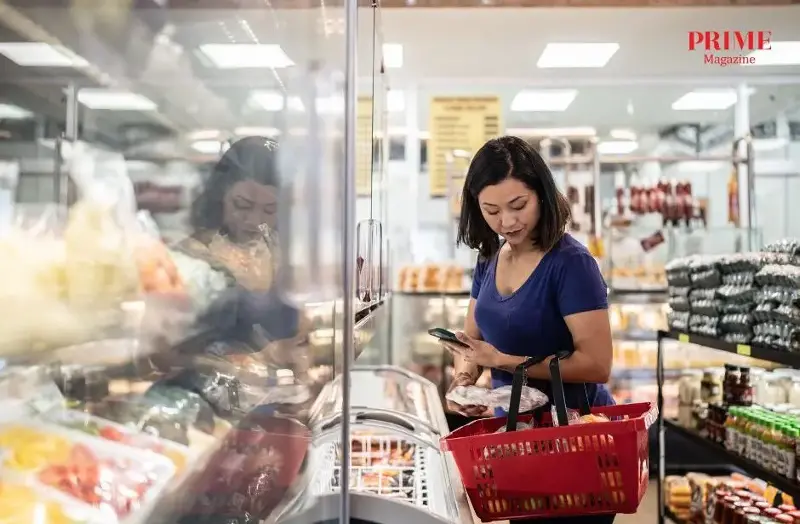
Woman buying groceries in a supermarket
People at higher risk include:
-
Older adults
-
Pregnant individuals and their fetuses/newborns
-
People with weakened immune systems
Where does Listeria come from?
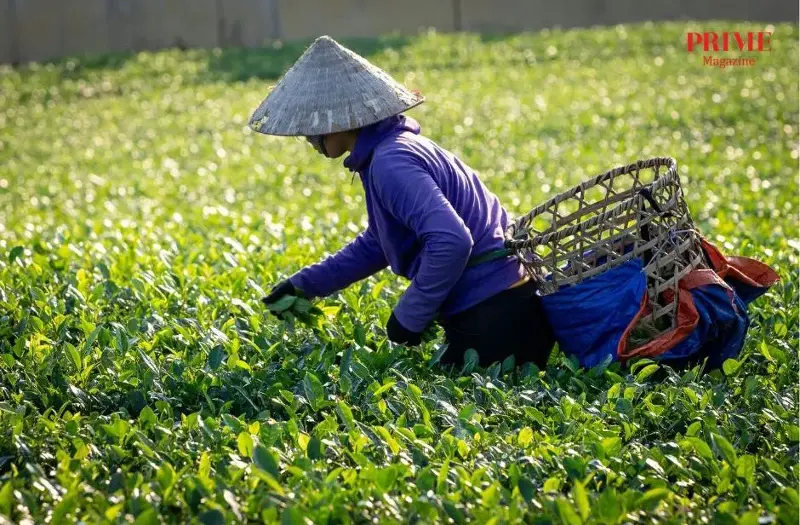
Vietnamese Tea Field Harvesting Scene
Listeria monocytogenes is widespread in the environment — particularly in soil, water, animal droppings and wildlife. Contamination can occur anywhere along the food chain, such as:
-
Farming and harvesting
-
Food processing and packaging
-
Storage and distribution
-
Food handling in restaurants or at home
Vegetables and fruits that grow close to the ground, such as melons, are more easily contaminated. Listeria can survive in soil for weeks, spread through irrigation water, and even splash onto produce during heavy rain.
A key concern is that Listeria can grow at refrigerator temperatures. This means chilled, ready-to-eat foods such as deli meats, soft cheeses, smoked fish, salads and pre-cut fruit can be potential sources if not properly handled.
Is Listeria still a concern in 2025?

Inspectors analyzing the food in the supermarket
Yes. Although still relatively uncommon, Listeria remains an active global public-health concern.
Recent studies (2023–2025) show:
-
Rising hospitalisation rates in some regions
-
Recurring recalls of ready-to-eat foods worldwide
-
Significant contamination found in certain chilled food categories
-
Ongoing monitoring by SFA in Singapore
Singapore continues to highlight Listeria as a risk in refrigerated and ready-to-eat foods, especially for vulnerable groups.
Symptoms of Listeria infection

Asian Woman Touching Chest Suffering from Heartburn Standing
Not everyone who eats contaminated food will fall ill. Listeria also has a long and unpredictable incubation period, ranging from a few days to up to 70 days after exposure.
Possible symptoms include:
-
Fever and muscle aches
-
Nausea, vomiting or diarrhoea
-
Headache and stiff neck
-
Confusion or loss of balance
-
Seizures (in severe cases)
Pregnant individuals may experience only mild symptoms but may still pass the infection to the fetus or newborn.
How to reduce your risk of Listeria
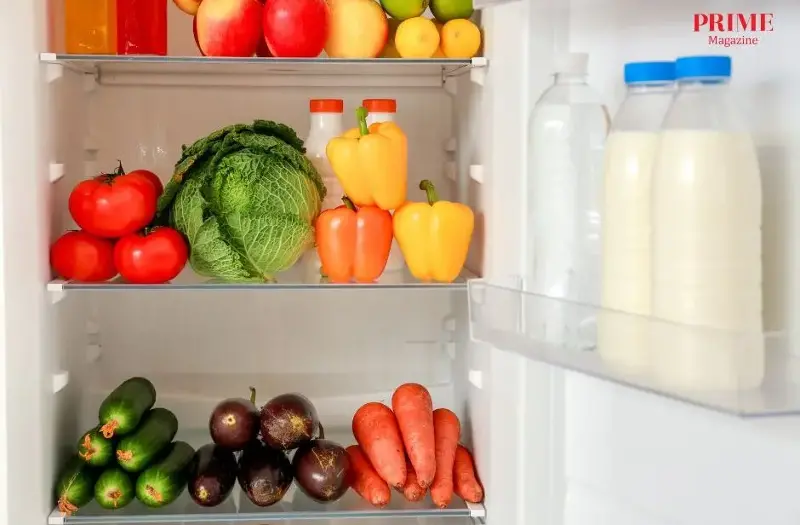
Different Products on Shelves in Fridge
-
Avoid raw or unpasteurised milk and products made with it.
-
Wash fresh produce thoroughly under running water.
-
Separate raw meats from ready-to-eat foods.
-
Cook meat, poultry and seafood to safe internal temperatures.
-
Clean hands, knives, cutting boards and countertops after handling raw foods.
-
Consume perishable and ready-to-eat foods as soon as possible.
-
For higher-risk individuals:
-
Heat deli meats, cold cuts, hot dogs and smoked fish until steaming hot.
-
Avoid high-risk chilled foods unless properly cooked.
-
Conclusion
Although listeriosis remains relatively uncommon, its potential severity and ability to survive in chilled, ready-to-eat foods make Listeria monocytogenes an ongoing concern in 2025. With global food supply chains, modern eating habits and the increased consumption of refrigerated convenience foods, the risk will never be zero. The good news is that simple, consistent food-safety practices — washing produce thoroughly, cooking foods properly, storing perishables correctly and staying alert to food-recall notices — can significantly reduce your chances of infection.
For pregnant individuals, older adults and people with weakened immunity, extra caution is especially important. By staying informed and practising safe food handling at home, you can protect yourself and your loved ones while still enjoying a wide variety of foods with confidence. PRIME