



Some cooked ingredients, if reheated, especially after improper storage, can easily cause food poisoning.
Do not reheat potatoes.
When cooked potatoes are left at room temperature or reheated a second time, they can become toxic at their worst.
The reason is that warm temperatures promote the growth of a rare type of bacteria that causes food poisoning, commonly found in potatoes.
The best solution is to divide the cooked potatoes into portions sufficient for one meal, refrigerate any uncooked potatoes, and use one portion for each meal.
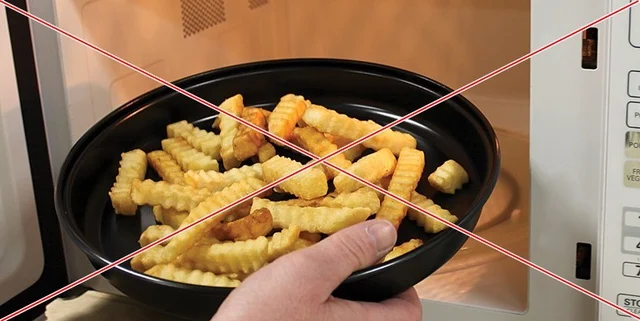
When cooked potatoes are left at room temperature or reheated a second time, they can become toxic at their worst.
If you accidentally cook too many potatoes and don't want to waste them, store them in several secure containers and refrigerate them immediately so they cool down faster.
Broccoli
It is still possible to cook broccoli in a microwave, however, microwave cooking will reduce the nutrients in the broccoli.
Simply steaming broccoli in a microwave can destroy 11% of its antioxidants, and boiling it can destroy up to 97% of its beneficial antioxidants.
Food wrapped in plastic or stored in plastic containers.
When you microwave food placed in plastic trays, it can produce carcinogenic substances. Furthermore, the plastic packaging can release dangerous chemicals into the food.
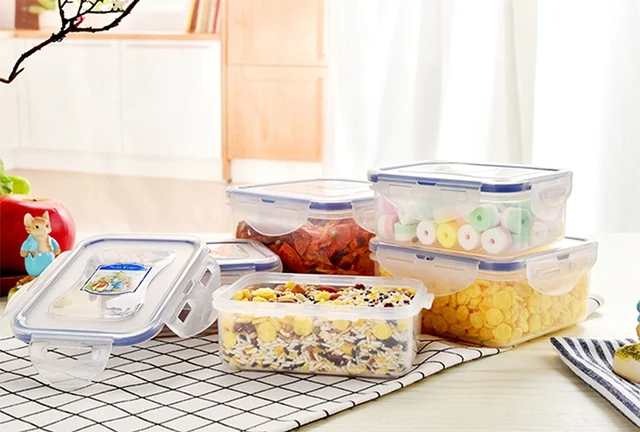
When you use a microwave to cook food placed in plastic trays, it can produce carcinogenic substances.
Bread
Microwave baking makes bread dry and hard, and also causes the dough to lose its structure, resulting in a less enjoyable taste. Using a conventional oven for baking is therefore better.
Breast milk
Breast milk is excellent for newborns and young children, containing many antibodies that protect them from infections during the first few months of life.
However, heating breast milk in a microwave increases the amount of E-coli bacteria, which can cause intestinal illnesses, by up to 18 times compared to using conventional heating methods.
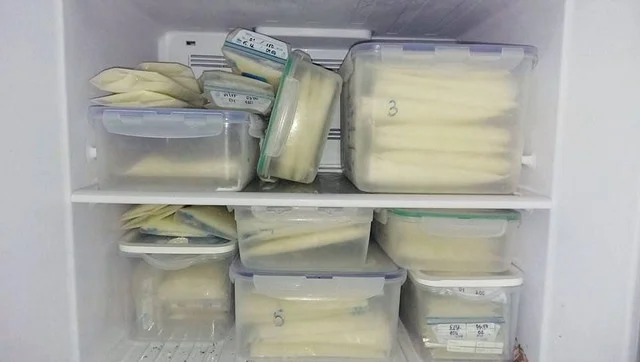
Heating breast milk in a microwave increases the amount of E-coli bacteria, which can cause intestinal illnesses, by up to 18 times compared to using conventional heating methods.
Furthermore, heating breast milk in a microwave significantly reduces the activity of the enzyme system and also produces bacteria that are harmful to the baby.
Frozen fruit
Using a microwave to thaw fruit after taking it out of the refrigerator can convert beneficial glucosides and galactacsides into carcinogenic substances; therefore, fruit should only be thawed naturally.
Chicken
Chicken meat is one of the foods that, if not cooked thoroughly, can easily become contaminated with salmonella bacteria, causing food poisoning and diarrhea.
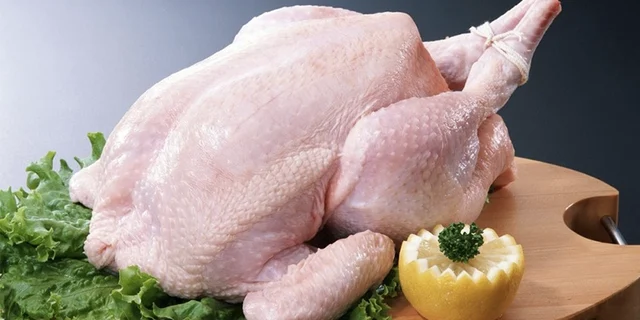
You should cook the chicken thoroughly using electrical appliances such as pans and pots.
Furthermore, when you microwave chicken, the microwave itself becomes contaminated, and if you put other ingredients in without thoroughly cleaning them first, the bacteria will spread to other foods. Therefore, you should cook chicken thoroughly using electrical appliances such as pans and pots.
Frozen meat
To thaw frozen meat, most people choose to put it in the microwave to save time, but what seems harmless is actually one of the reasons why bacteria can easily multiply.
When frozen meat is taken out of the refrigerator, it's best to leave it at room temperature to thaw. Using a microwave doesn't distribute heat evenly, leaving some areas frozen while others remain soft and moist, accelerating bacterial growth.
Furthermore, if you don't cook the meat immediately after thawing it, it can easily cause food poisoning and diarrhea due to bacteria present at room temperature.
Seafood
Don't assume that only meat shouldn't be microwaved; even seafood should be reheated or cooked repeatedly in the microwave.
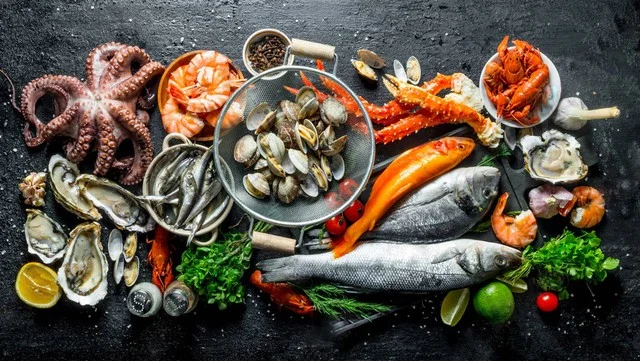
If you use a microwave to defrost frozen seafood, when you cook it, the dish will lose its natural sweetness, and the meat will become fibrous and dry instead of firm.
Seafood, such as shrimp, crab, and clams, is often encased in a hard outer shell. When heated, this shell emits an unpleasant, rubbery odor that detracts from the flavor of the dish.
Alternatively, if you use a microwave to defrost frozen seafood, when you cook it, the dish will lose its natural sweetness, and the meat will become fibrous and dry instead of firm.
Egg
Although eggs contain protein and calcium, which are very good for health, when microwaved, these substances can turn into toxins, posing a health risk.
Furthermore, with raw eggs, the yolk and egg white are liquids containing a lot of water. Therefore, heating them in a microwave oven will cause the inside of the egg to heat up quickly and expand significantly, while the outer shell cannot expand fast enough, causing it to burn or explode in the microwave.