


The third World Ocean Assessment report (2021-2025), with the participation of nearly 600 scientists from 86 countries, shows that pressures from environmental pollution, large-scale industrial fishing, and climate change are increasing dramatically, creating a synergistic impact on marine ecosystems. These pressures have led to widespread biodiversity loss, exacerbating marine environmental degradation and pushing the ocean into a state of "severe stress".
Sea levels are rising rapidly, and the oceans are warming to unprecedented levels.
According to the report, the rate of sea level rise has increased from approximately 2 mm/year before 2015 to 4.3 mm/year in 2023.
Scientists also warn that 16% of the increase in global ocean heat since 1955 has occurred since 2018 alone. The most significant warming has been recorded in the Atlantic and the southern regions of the Indian and Pacific Oceans.
Furthermore, human understanding of the ocean remains very limited. By 2025, only about 27% of the ocean floor will have been mapped, while deep-sea ecosystems will remain largely unexplored .
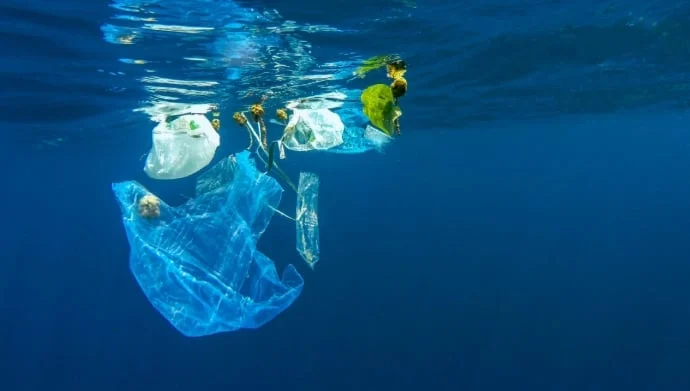
The third World Ocean Assessment report highlights the pressures weighing on ocean health and calls for urgent action from nations. Photo: Fauna-flora.
UN Secretary-General António Guterres emphasized: “We cannot continue to view the ocean as an unlimited resource. Urgent global cooperation is needed to protect marine ecosystems.”
He called for building a new relationship with the ocean based on science, international law, and shared responsibility among nations, economic sectors, and generations.
The report also noted significant progress in marine conservation, particularly the entry into force this year of the treaty on international waters. This treaty establishes a legal framework to protect nearly two-thirds of the ocean area that lies outside the jurisdiction of individual nations.
Along with 56 other international agreements related to ocean protection, these mechanisms have contributed to strengthening biodiversity conservation capacity, reducing harmful subsidies, and sustainably managing marine resources. However, the report also points out that ocean governance remains fragmented across sectors and regions, requiring closer coordination in the future.
Plastic and microplastic waste continues to be a major threat.
The oceans now cover more than 70% of the Earth's surface, playing a vital role in regulating climate, maintaining biodiversity, and providing food, minerals, and energy for humanity.
According to the report, the ocean has absorbed approximately 90% of the excess heat and 30% of the CO₂ emissions generated from human fossil fuel burning.
However, approximately 52.1 million tons of plastic are dumped into the sea each year, contributing to the creation of about 24.4 trillion microplastic particles currently existing in the marine environment. These microplastic particles affect more than 4,000 species of marine life.
Ocean currents—a crucial factor in the global distribution of heat—are also changing under the influence of climate change. However, the long-term impacts of these changes on Earth's climate system are not yet fully understood.
An urgent warning for governments.
The report identifies the main drivers putting pressure on the marine environment as including population growth, demographic changes, technological advancements, changes in governance mechanisms, and socio-economic and geopolitical instability.
The world's population has increased from 7.7 billion in 2017 to 8.2 billion by the end of 2024. Currently, more than one-third of the global population lives within 100 km of the coast, while about 11% of the population lives in areas below 10 m above sea level.
The environmental organization Greenpeace argues that the findings in the report, published on World Ocean Day, serve as an urgent warning to governments about the need to protect pristine ocean areas from deep-sea mining and industrial fishing.
Greenpeace is calling on countries to establish strictly protected marine protected areas and to fulfill their commitment to protect at least 30% of the world's oceans by 2030 – a minimum threshold that scientists believe is necessary for marine ecosystems to recover.