



The brain and cardiovascular system are closely linked. Few people know that adopting a heart-healthy diet is one of the most effective ways to reduce the risk of stroke.
A heart-healthy diet isn't just about what you eat, but also what you should limit, especially sugary drinks, candy, and pastries. To better understand the link between high-sugar foods and stroke risk, nutrition experts have shared the following advice.
How do sugary foods increase the risk of stroke?
Research shows that a diet high in sugar can cause chronic inflammation in the body. This condition is linked to many chronic diseases, including stroke, according to Eating Well (USA).

According to research, for every 5% increase in calories from added sugar in the diet, the risk of stroke may increase by approximately 10%. PHOTO: AI
American nutritionist Roxana Ehsani says that chronic inflammation can damage blood vessels, forming plaque, causing arteries to narrow or harden, thereby increasing the risk of stroke. In addition, inflammatory damage to organs in the body can release harmful substances that travel to the brain, increasing the risk of stroke and hindering recovery.
According to the American Heart Association (AHA), the maximum daily intake of added sugar should be limited to 6 teaspoons (approximately 25g - 100 calories) for women and 9 teaspoons (approximately 37.5g - 150 calories) for men.
Many people consume too much sugar every day, not only from soft drinks but also from cakes, snacks, and other foods. When you eat a lot of sugar regularly, your blood sugar levels can fluctuate erratically, damaging blood vessels and increasing the risk of blood clots in the brain – a cause of stroke.
One study showed that for every 5% increase in added sugar calories in the diet, the risk of stroke can increase by about 10%. Sugar from beverages, in particular, has the strongest impact on this risk.
In addition, sugary foods like pastries contain saturated fats, which can increase bad cholesterol. According to American nutritionist Patricia Kolesa, eating a lot of refined grains can increase LDL – bad cholesterol, which can lead to plaque buildup in arteries and increase the risk of stroke.
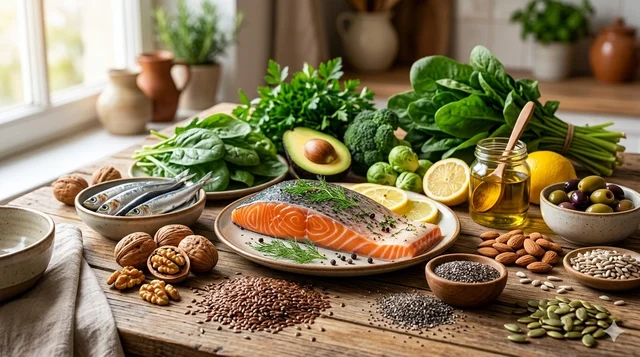
Omega-3s may help reduce the risk of stroke, decrease inflammation, and lower triglycerides. PHOTO: AI
What should you eat to protect your heart and prevent stroke?
Fiber: Helps bind to LDL cholesterol and remove it from the body, thereby reducing plaque formation in arteries and lowering the risk of stroke. In particular, soluble fiber in whole grains like oats and barley is especially effective at removing bad cholesterol.
Omega-3 fatty acids: According to expert Ehsani, many studies show that supplementing with omega-3s can help reduce the risk of stroke. They help reduce inflammation, lower triglycerides (a type of fat in the blood), and support blood pressure control. The best sources of omega-3s are fatty fish such as salmon, herring, mackerel, anchovies, and sardines.
Potassium: Reduces the blood pressure-raising effects of sodium, thus playing a crucial role in stroke prevention. Foods rich in potassium include salmon, avocado, beans, and dark leafy greens.
In addition, consuming too much sodium (salt) can cause high blood pressure, a major risk factor for stroke. Much of the sodium in our diet comes from packaged and processed foods. Therefore, carefully reading nutrition labels when buying food also helps limit the "hidden" sources of sodium that many people easily overlook.