Interesting facts about the origin of the tomato plant.
Vietnam.vn EN
08/03/2026 00:37:00
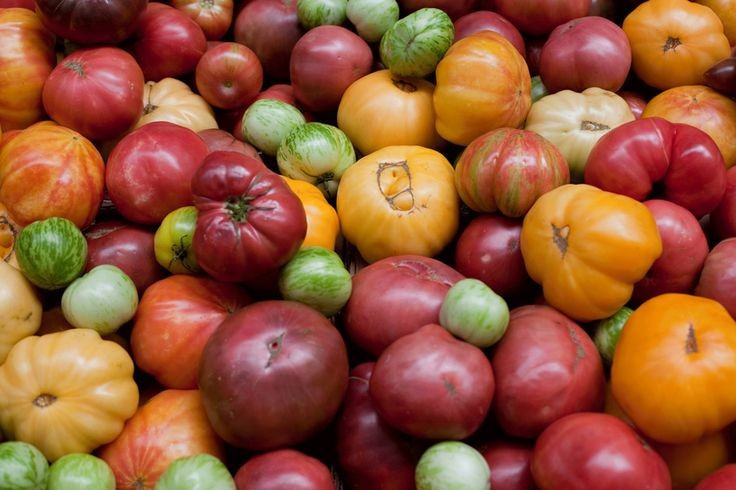
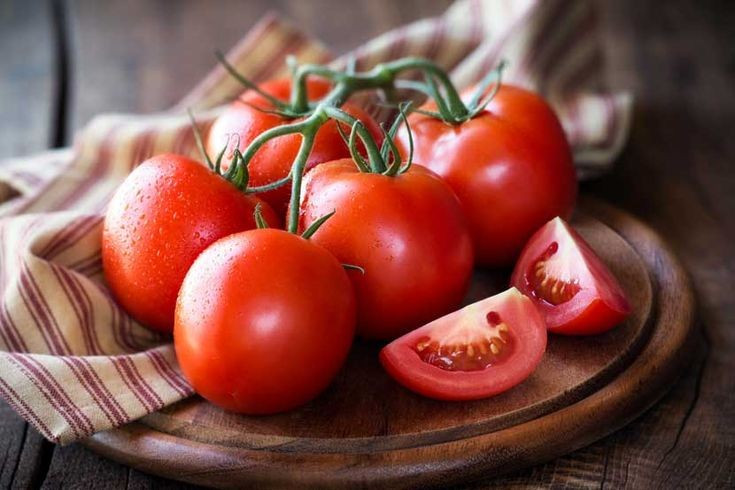
Besides red, tomatoes also come in shades of yellow, orange, purple, and even dark green when ripe.
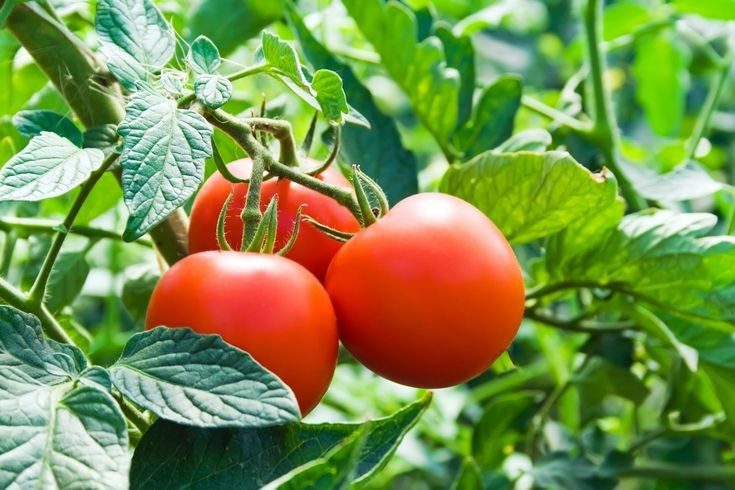
Originating from distant South America, tomatoes originated in the Andes mountain range, encompassing countries like present-day Peru and Ecuador. Indigenous people domesticated tomatoes thousands of years before they were brought to Europe in the 16th century via sea voyages. (Image: Pinterest)
Once considered poisonous, tomatoes were suspected of being toxic when they first appeared in Europe because they belonged to the Solanaceae family, the same family as Datura. Many people at the time only grew them as ornamental plants because of their striking bright red fruit and didn't dare eat them. Photo: Pinterest.
Tomatoes
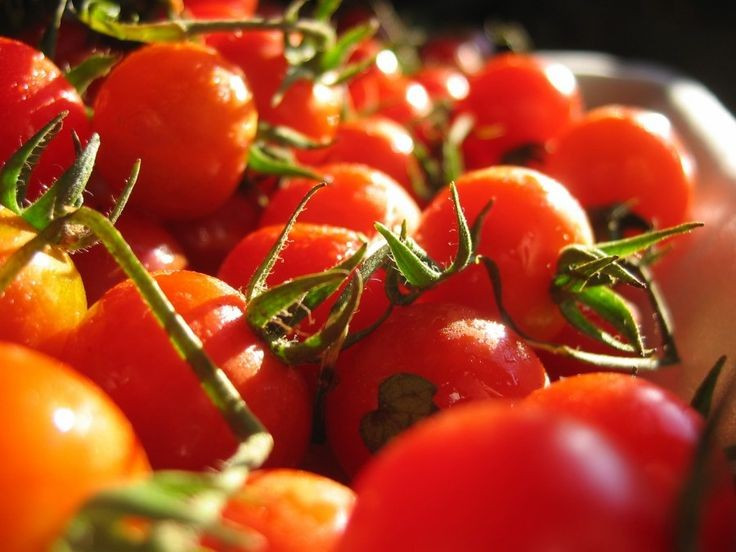
come in a wide variety of shapes and colors. Not only red, tomatoes also appear in shades of yellow, orange, purple, and even dark green when ripe. Sizes also vary, from tiny, finger-sized berries to large ones weighing hundreds of grams. Photo: Pinterest.
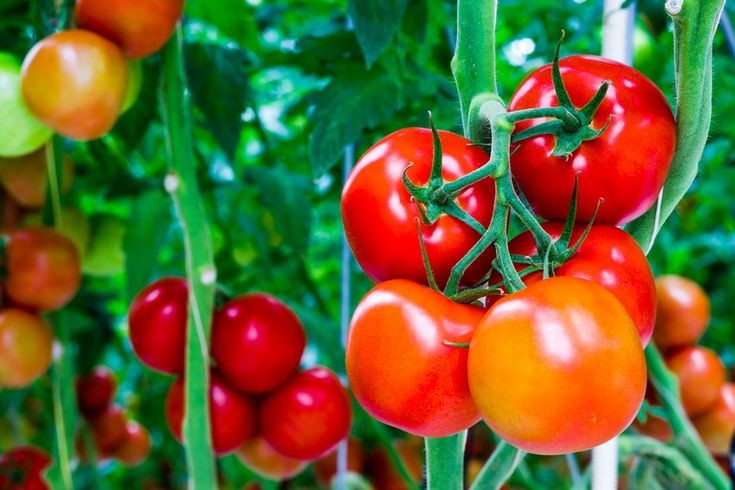
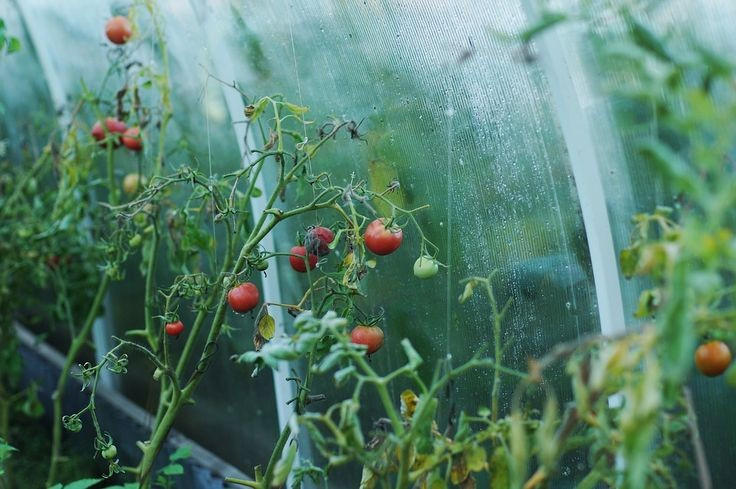
Easy to grow and highly adaptable, tomatoes can thrive in a wide range of climates, from temperate to subtropical. They require plenty of sunshine, loose, well-drained soil for high yields. Photo: Pinterest.
Tomatoes play a vital role in global cuisine . From Italian pasta sauces and Mexican salsa to Vietnamese sour soup, tomatoes are an indispensable ingredient in countless dishes. Their mild sourness and appealing color help balance and enhance the visual appeal of meals. Photo: Pinterest.
Rich in the antioxidant lycopene. Tomatoes contain high levels of lycopene – a powerful antioxidant that gives them their characteristic red color. Lycopene is studied for its potential to support cardiovascular health and protect cells from free radical damage. Photo: Pinterest.
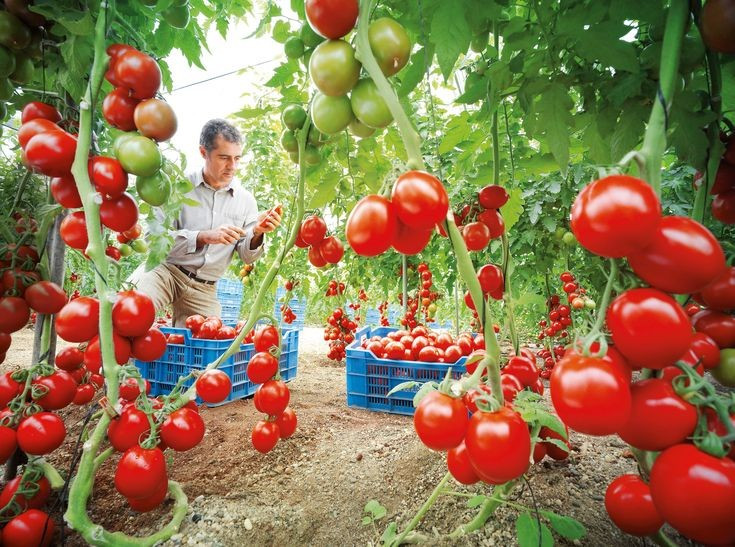
A symbol of modern culture and agriculture . Today, tomatoes are one of the world's most productive crops, contributing significantly to the agricultural
economy . Their popularity reflects centuries of transcontinental exchange of plants and culinary cultures. Photo: Pinterest.
This article is provided by Vietnam.vn EN, authorized for use, and represents solely the author’s personal opinions. Please contact us in the event of any potential infringement.