




A business model heavily focused on growth at the expense of nature is not only unsustainable, but threatens extinction if not reversed.
That's according to a landmark "Business and Biodiversity Assessment Report" published by the Intergovernmental Platform on Biodiversity and Ecosystem Services (IPBES), a global independent research body comprising more than 150 member states' governments.
Setting out to reframe the often-destructive relationship between nature and commerce, the first-time assessment shows how business both impacts and depends on biodiversity, and how nature contributes to people's and society's wellbeing.
"This is the first time in history that scientists and businesses have come together," said Ryo Kohsaka of the Graduate School of Agricultural and Life Sciences at the University of Tokyo.
Businesses cannot exist without biodiversity, yet they are exhausting the "basis for our daily life" and undermining nature's contribution to people, said Kohsaka, who is coordinating lead author of the report produced by public and private sector experts from 35 countries.
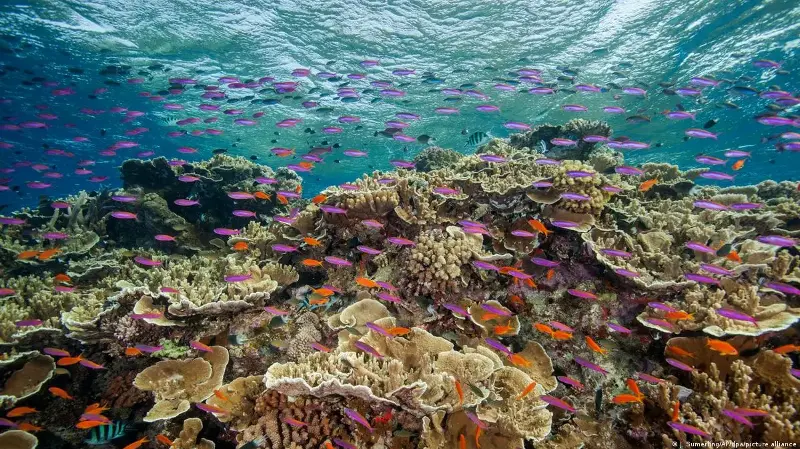
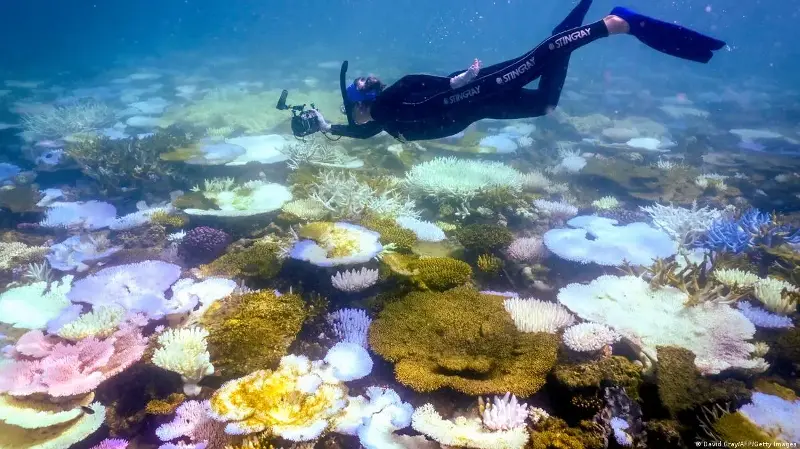
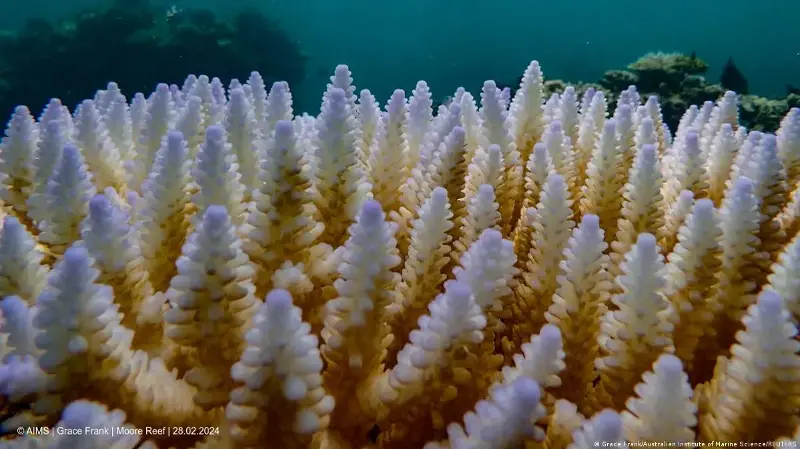
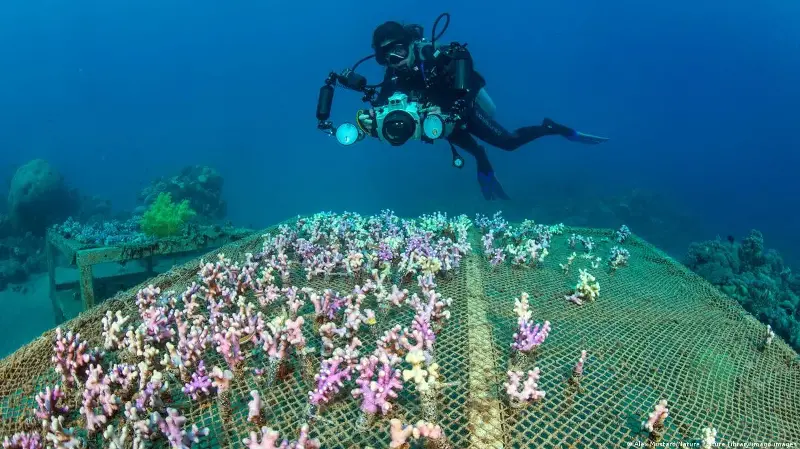
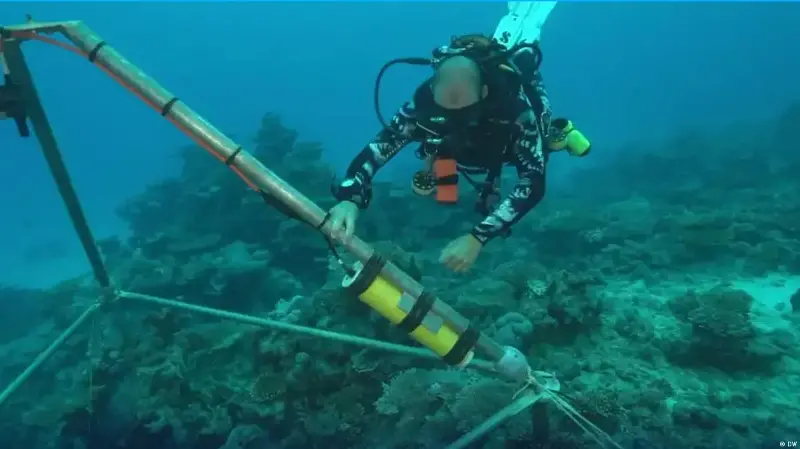
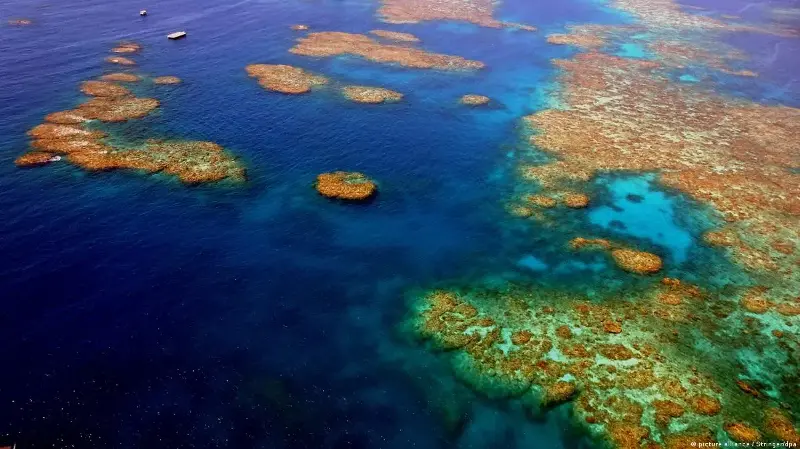
He notes how agricultural products like fruit rely on the pollinators that are being lost as nature is destroyed; or how fishery habitats are in decline as coral reefs die off due to pollution and climate change.
"Better engagement with nature is not optional for business — it is a necessity," said Ximena Rueda, a researcher at Colombia's Universidad de los Andes and co-chair of the IPBES assessment, in a statement.
She suggests that enterprises have a critical role in environmental "stewardship" that is "vital for their bottom line [and] long-term prosperity."



Business-as-usual funds biodiversity destruction
But if business is to reverse "unsustainable economic activity," it will have to address the large private and public finance flows for business activities that drive biodiversity loss, say the report authors.
In 2023, some $7.3 trillion (€6.2 trillion) of this finance — around two-thirds from private sources — flowed to enterprises "with direct negative impacts on nature," stated the report.
Most government subsidies went to fossil fuels and agriculture, Kohsake told DW.
A mere 3% of this figure, or $220 billion in public and private finance, were invested in biodiversity conservation.
This aligns with UN analysis from January showing how "harmful investments" that destroy nature are 30 times higher than financing leading to environmental protection.
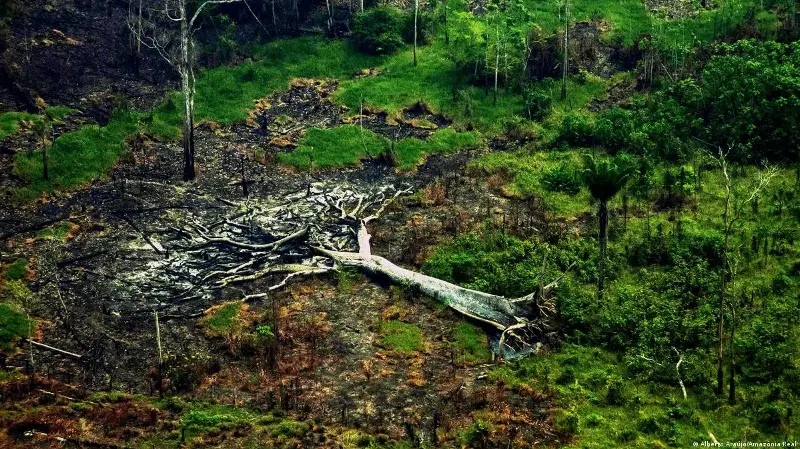
The IPBES authors refer to "perverse incentives" that perpetuate nature-negative business-as-usual and hinder efforts to reverse biodiversity decline.
No accountability for businesses
Furthermore, businesses are not held accountable for weak enforcement of biodiversity and environment protection regulations due, in part, to voluntary disclosures. Less than 1% of publicly reporting companies reference their impacts on biodiversity.
The IPBES assessment points to the absence of "adequate rewards and penalties" that will inspire businesses to halt biodiversity loss.
"Ever-increasing material consumption and an emphasis on reporting quarterly earnings" — for the sake of shareholder dividends — continues the cycle.
But even from a business perspective, these harmful investments are unsustainable. As detailed in the last IPBES assessment from 2019, Kohsaka points to the 300% increase in the value of agricultural production since 1970. Yet by 2019 up to $577 billion in annual global crop output was at risk due to the decline in pollinator diversity and land degradation.
Transforming business to nurture biodiversity
Highlighting risk is only one way to inspire business to become less destructive, according to Kohsake.
"It's not always the case that companies are investing to destroy or become unsustainable," he said.
The assessment offers a range of tools and methods that allow businesses to operate for both their own benefit and that of biodiversity and society. These include better data and knowledge to quantify impacts and dependencies on biodiversity.
The assessment aims to create an "enabling environment" for sustainability measures by aligning five core components of business:
Providing more than 100 specific examples of concrete actions across these components, the report's authors call for greater collaboration between governments, consumers, businesses, NGOs, Indigenous Peoples and local communities.
"Better stewardship of biodiversity is central to managing risk across the whole of the economy and throughout societies – it's not some distant environmental issue, but a core challenge now in every boardroom and cabinet-room," said Stephen Polasky, who specializes in ecological/environmental economics at the University of Minnesota, and is co-chair of the assessment. Edited by: Tamsin Walker