



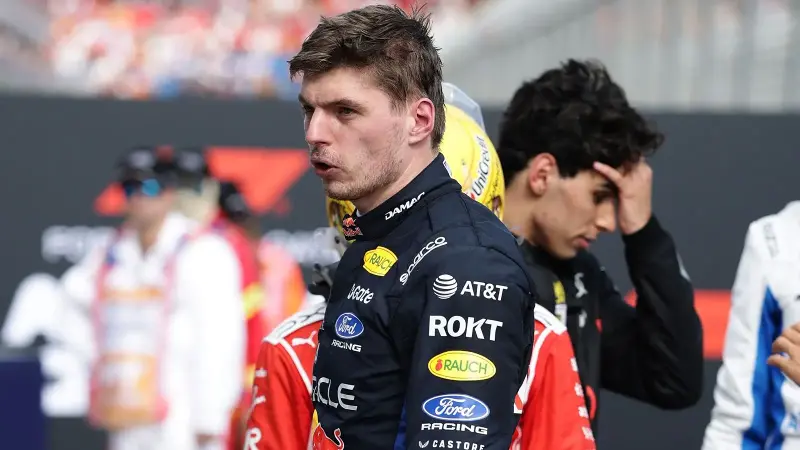
The new electric power units have frustrated many drivers this season, and Formula 1 has used the mid-season break to fine-tune the regulations—though the changes stop short of a full revolution.
It’s not just Max Verstappen who might fancy taking the new cars apart with heavy machinery; Formula 1 has now responded—but with a gentler touch. “With a scalpel, not a baseball bat,” Mercedes motorsport boss Toto Wolff said on Monday, summing up the series’ response to the much-criticised new regulations after the first three races.
Almost half of their power comes from an electric motor, which demands a very different driving style and has produced some highly unusual overtaking manoeuvres. Verstappen and several colleagues therefore describe the current format as “anti-racing”, arguing that drivers would prefer a power unit with far less electrical output at the rear. Verstappen knows, however, that this option has never been on the table.
Instead, the meeting between teams, Formula 1 and the FIA focused on achievable goals, with Wolff summing up the discussion: “How can we improve the product, ensure uncompromising racing and optimise safety?”
Qualifying has drawn heavy criticism. Drivers must constantly recharge the battery while lapping, forcing them to slow through fast corners or lift early on straights so they can deploy maximum electric power elsewhere. In the hunt for the fastest lap, true full-throttle driving is impossible, and the contradiction has bred frustration.
The solution agreed upon is twofold: first, limit the amount of energy the power unit can recover per lap so the drivers spend less time in charge mode; second, allow them to accelerate more often and for longer, even if that means the cars will be fractionally slower overall.
Formula 1 teams are grappling with speed inconsistencies triggered by varying battery states and the timing of electric power boosts.
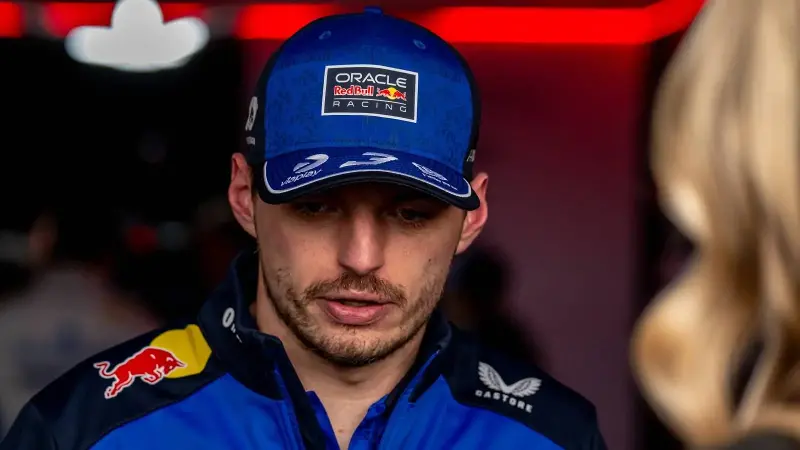
A further change is intended to improve safety during the race. Because of sometimes significant battery-level disparities and the use of an electric boost for overtaking, there have been drastic speed differentials that raise the risk of accidents. Energy management has therefore been tweaked to deliver greater consistency. The FIA states that the measures aim to “reduce excessive rear-end collision speeds whilst maintaining overtaking opportunities”.
Further tweaks aim to stabilise launch performance, as varying speeds and recurring technical glitches have marred clean getaways.
The regulations could debut as early as the next Grand Prix in Miami (3 May), pending approval by the FIA World Motor Sport Council. Further tweaks may follow later in the year, with Wolff stressing a step-by-step approach to avoid “erratic” decisions. One certainty is that the costly power units will not be scrapped; they are set to stay in the cars until 2030.