



Mumbai, July 2 -- The dream of staying young forever has always fascinated people. Today, many treatments and products promise to reduce or even reverse signs of aging. However, there is a lot of confusion and false information around this. One common mistake is thinking that anti-aging drugs and anti-aging procedures are the same. They are not, and knowing the difference is very important for your safety and health.
What are anti-aging drugs?
Anti-aging drugs are medicines that try to slow down or reverse how our bodies age at a biological level. For example, drugs like metformin (used for diabetes) and rapamycin (used in certain medical conditions) are being researched to see if they can help people live longer and healthier. These medicines work on pathways inside our cells, affecting how they repair damage or handle stress.
People are opting for intravenous therapies aimed at skin lightening, improving texture and modifying metabolism. Unless used in a controlled and supervised manner, any drugs given to modify the body's metabolism can pose serious risks, including fatal allergic reactions, liver failure and cardiac arrest.
However, these drugs are still being studied. There is no strong proof yet that they are fully safe or effective for anti-aging in humans. Some have side effects like stomach problems, vitamin deficiencies, hormone imbalance, or even a higher risk of infections and cancer. Also, many supplements claiming to be "anti-aging" are not properly checked or approved by medical authorities, which makes them risky.
What about anti-aging procedures?
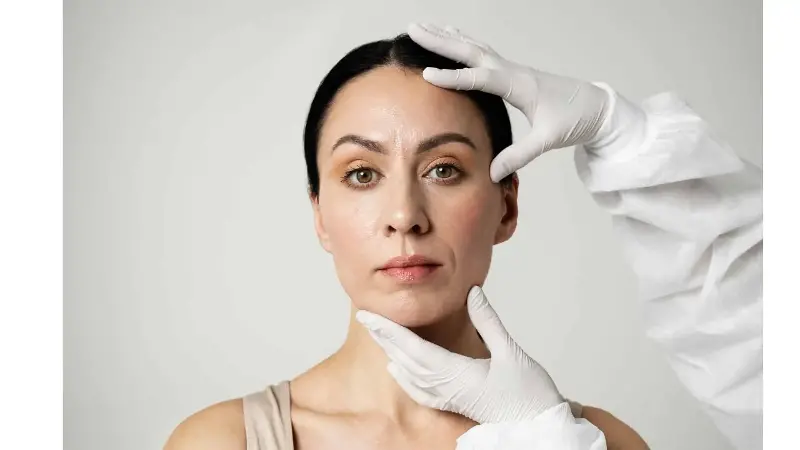
Anti-aging procedures are usually aimed at improving your looks. They target the visible signs of aging, like wrinkles, sagging skin, or spots. These can be non-surgical options (like Botox, fillers, laser treatments) or surgical (like facelifts, eyelid surgery, etc.). These procedures act on the skin and underlying tissues rather than changing your entire body's aging process.
Compared to anti-aging drugs, cosmetic procedures are generally better studied, more regulated, and performed by qualified doctors. They do not promise to make you live longer, but they can help you look younger safely if done properly.
Common myths and mistakes
"Natural means safe"- Many believe natural products cannot harm you. But even herbal or plant-based products can disturb your hormones or cause side effects.
"Anti-aging" means proven and approved- Actually, there is no strict rule for the word "anti-aging." Many products are sold without proper testing or evidence.
"All anti-aging treatments do the same thing." - This is not true. Drugs work inside your cells, while procedures work on your skin and tissues.
How to stay safe?
Talk to a qualified doctor before starting any anti-aging drug, supplement, or procedure. Dermatologists, endocrinologists, or plastic surgeons can give you evidence-based advice.
Ask for proof. If someone claims a miracle anti-aging cure, check if there is proper research to back it up.
Be cautious of influencers and social media. Many "miracle" products they promote are untested and unproven.
Focus on your lifestyle first. Healthy food, regular exercise, good sleep, and protecting your skin from the sun are still the best and safest anti-aging tools.
Final thoughts
In short, anti-aging drugs and anti-aging procedures are very different. One acts on your body's cells to possibly slow down aging (though research is still ongoing), while the other changes how you look on the outside. If you are considering any treatment, make sure you understand its risks and benefits. Always rely on professional medical guidance rather than online fads or half-truths.
Being informed and realistic is the best way to age gracefully and safely.