



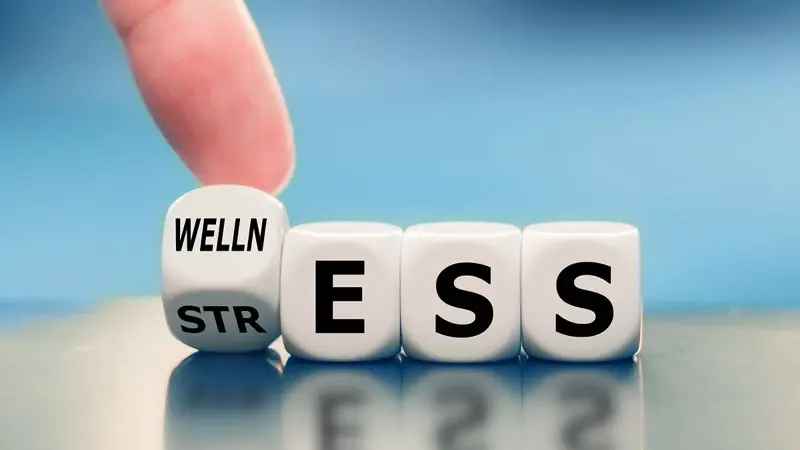
Whenever we greet a person by asking, "How are you?", the other person may reply that they are fine. However, the truthful answer is often unheard or unseen. Decoding this reveals that people are culturally conditioned to reply, "I'm fine," even when they are not. Not all stress is visible. Most individuals silently struggle with their stressors. Stress doesn't always manifest as a panic attack or an overt breakdown; it can be hidden within an overachieving student, a successful businessperson, or a popular, smiling homemaker. Often, this invisible stress is masked by ambition, strict routines, intense passion, and especially a sense of responsibility.
Why do people conceal their struggles?
Individuals hide their struggles for numerous reasons. Some fear judgment. Others believe they must remain strong for their families or children. People often think that feeling down is just a normal part of life or that it will get better on its own over time. Gender stereotypes frequently cause men to minimise their struggles, pressured to "stay strong." Stigma, cultural expectations, rigid gender roles, and personal pride can compel people to downplay or hide their true feelings.
Ignoring stress does not eliminate it
Choosing not to acknowledge one's stress doesn't make it disappear. Even when you can't see it, it still affects your brain and body. Chronic stress triggers the release of the primary stress hormone, cortisol. Elevated cortisol levels disrupt sleep and appetite and influence mood. A frequent connection exists between an "undigested mind" and a troubled digestive system, where mood disturbances affect physical digestion. Such chronic stress can lead to depression, anxiety, and irritability, and even accelerate ageing. Some people report fatigue, body pains, and headaches, medicating these physical symptoms while persistently neglecting their underlying emotional stress.

How to check in with yourself and others?
One should not wait for a crisis or an unfortunate incident. Regularly check in with yourself and accurately name your emotions. The principle, 'Name it to tame it,' suggests that honestly identifying and labelling your emotions helps you address them effectively.
What is invisible stress?
Invisible stress is real and affects everyone, not only the busy professional or struggling student. Even an apparently idle person can be experiencing significant stress. Recognising and accepting support is the essential first step toward healing. By acknowledging these emotional struggles and stressors, we foster a healthier self. By cultivating a culture free of bias and judgment, we create space for genuine relationships, healthier minds and bodies, and overall well-being.