



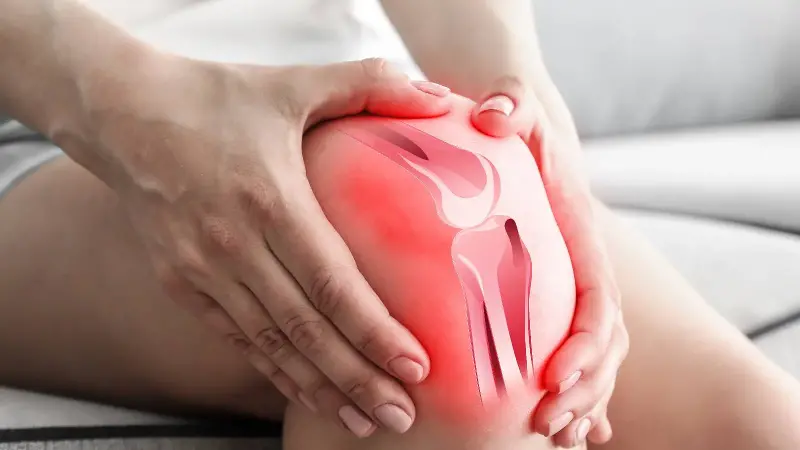
Osteoporosis, which means weak bones, often doesn’t show any signs or symptoms at first. People may experience body aches or a fracture of the spine, hip, or wrist after a minor fall, and this may be the first time they realise they have a problem. Bone loss is most common in women after menopause and in those aged 65 or older. Weak bones can lead to fractures that cause serious health issues and impact a person’s quality of life. It is important to take steps to improve bone and joint health.
The discomfort experienced in the knees, hips, and small joints is not merely subjective; it is rooted in biology. The body instinctively constricts peripheral blood vessels to conserve core heat. "This reduced circulation to the extremities results in stiffer muscles and less pliable ligaments", Dr Simon Thomas, Robotic Joint Replacements and Orthopaedics Surgeon, Max Super Speciality Hospital, Shalimar Bagh, tells Health Shots. Furthermore, the synovial fluid, the natural lubricant inside our joints, thickens. Much like motor oil in a cold engine, this fluid becomes more viscous, making joint movement feel "heavy" and restricted.
Is vitamin D deficiency common in Indians?
In the Indian context, this is further aggravated by a deficiency of Vitamin D. Not many people know that, despite abundant sunlight, nearly 70-90% of Indians are Vitamin D deficient, according to the journal Nutrients. "This deficiency is aggravated by the approach, since there is less daylight, and people tend to stay indoors more. Vitamin D is the carrier for calcium, and when this is deficient, there are soft bones", says the orthopaedic surgeon.
Why should we warm up before a workout?
Fitness in the should focus on "warming the engine" before pushing the pace. The traditional five-minute warm-up is insufficient when the ambient temperature is high. "An effective routine must begin with at least 15 minutes of dynamic stretching, such as ankle rotations, shoulder rolls, and seated leg extensions, performed in a warm indoor environment", says the robotic joint replacement surgeon. This helps lower the viscosity of the synovial fluid and increases blood flow to the cartilage before it is subjected to the impact of walking or jogging.
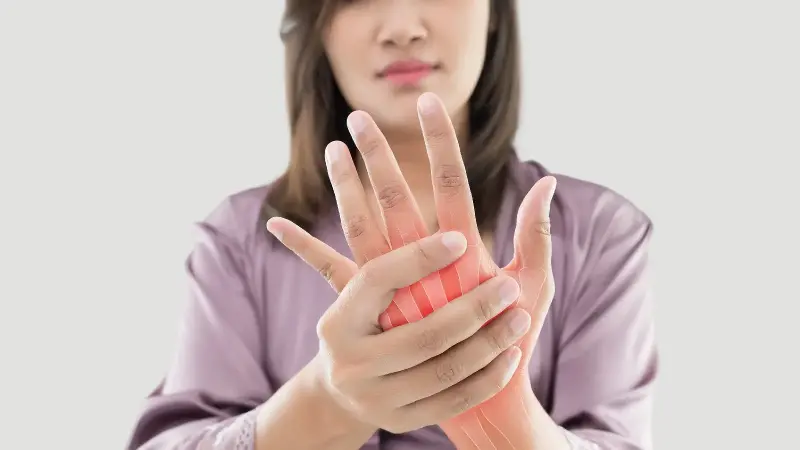
What exercises are good for osteoarthritis in the elderly?
For older adults with early-stage osteoarthritis, low-impact exercises such as yoga or stationary cycling are preferable to high-impact running. Clinical observations BioMed Research International suggest that weight-bearing exercises remain an effective means of maintaining bone mass, but they must be performed with caution. If exercising outdoors is a medical necessity, not just a comfort choice. "Keeping the joints covered helps maintain tissue health, preventing the micro-tightening of tissues that often leads to ligament strains and meniscus tears during sudden movements", says Dr Thomas.
What can you do to protect your musculoskeletal system?
Protecting the musculoskeletal system also requires a strategic shift in diet. As the body works harder to maintain its internal temperature, metabolic demands shift. "Incorporating anti-inflammatory foods such as walnuts, flaxseeds, and fatty fish can help mitigate joint swelling", says the doctor. In India, traditional staples like ragi (finger millet) and sesame seeds are excellent indigenous sources of calcium that should be prioritised to bolster the "bone bank."
What are the risk factors for bone fractures?
Safe navigation is the final and foundation for bone health, as it reduces the risk of "fragility fractures," or fractures that result from a fall from a standing position. Evidence from the BMJ Quality & Safety shows that, after a hip fracture in old patients, there is a 20-30% chance of death within the first year, which emphasises the severity of fall prevention. Wearing shoes with rubber soles and adequate indoor lighting can substantially reduce slips that result in lifelong disability.
Fitness is less about the intensity of the sweat and more about the integrity of the movement. "By understanding the body’s thermal requirements and compensating for the lack of natural Vitamin D, one can stay active without compromising skeletal safety", says the expert. The aim should be maintenance and mobility, so that when spring comes, the joints are as agile as ever.