



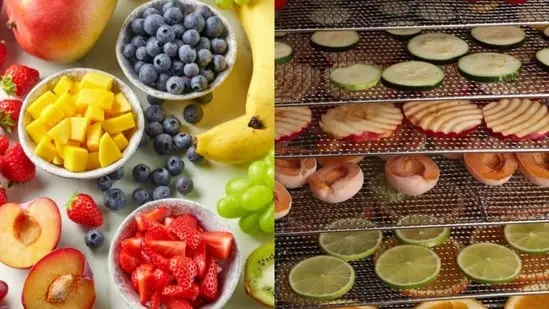
A colourful fruit bowl can offer much more than natural sweetness. Fresh Fruits and Dried Fruits explains how both options contribute differently to a balanced diet. Fresh fruits provide hydration and natural vitamins">hydration and natural vitamins">hydration and natural vitamins, while dried fruits deliver concentrated nutrients and healthy fats">nutrients and healthy fats">nutrients and healthy fats. Understanding their differences makes it easier to include the right portions in everyday meals.
Fresh fruits grow naturally on trees, plants, and vines and are enjoyed with their natural water content intact. Dried fruits are prepared by removing most of the moisture through sun drying or controlled dehydration, making them smaller but more nutrient-dense. During summer, water-rich fruits like watermelon, oranges, muskmelon, and berries help maintain hydration">help maintain hydration">help maintain hydration, while moderate portions of dried fruits provide convenient nutrition and sustained energy">nutrition and sustained energy">nutrition and sustained energy throughout the day.
Fresh fruits are naturally rich in vitamin C, antioxidants, potassium, fibre, and water">vitamin C, antioxidants, potassium, fibre, and water">vitamin C, antioxidants, potassium, fibre, and water, making them an excellent choice for digestion, hydration, heart health, and healthy weight management">digestion, hydration, heart health, and healthy weight management">digestion, hydration, heart health, and healthy weight management. Their high water and fibre content may help control appetite while supporting a healthy gut. Dried fruits offer concentrated amounts of vitamin E, magnesium, iron, calcium, plant protein, omega-3 fatty acids, and antioxidants">vitamin E, magnesium, iron, calcium, plant protein, omega-3 fatty acids, and antioxidants">vitamin E, magnesium, iron, calcium, plant protein, omega-3 fatty acids, and antioxidants that support brain function, bone health, immunity, skin health, and steady energy. Eating unsweetened dried fruits in moderate portions helps manage calorie">manage calorie">manage calorie intake while providing valuable nutrients.
The biggest difference between fresh fruits and dried fruits lies in their water content, calorie density, and nutrient concentration. Fresh fruits are lower in calories and naturally hydrating, making them ideal for regular snacking, especially during summer. Dried fruits contain less water but significantly higher amounts of nutrients per serving, making them suitable as portion-controlled snacks or additions to breakfast and fitness diets. Including both varieties in balanced amounts allows the body to benefit from their unique nutritional strengths while adding variety to everyday meals.
Fresh Fruits vs Dried Fruits: Key Differences
|
Feature |
Fresh Fruits |
Dried Fruits |
|---|---|---|
|
Water Content |
High (70–95%) |
Very low (10–30%) |
|
Calories |
Lower per serving |
Higher per serving |
|
Natural Sugar |
Lower concentration |
More concentrated |
|
Fibre |
High |
High but concentrated |
|
Vitamins |
Rich in Vitamin C and antioxidants |
Rich in minerals, fibre, and antioxidants |
|
Healthy Fats |
Very low |
Very low |
|
Protein |
Low |
Moderate |
|
Hydration |
Excellent |
Low |
|
Shelf Life |
Short |
Long |
|
Portion Size |
Larger |
Smaller due to concentrated nutrients |
|
Best For |
Hydration, daily snacking, weight management |
Quick energy, nutrient-dense snacks, travel |
|
Summer Suitability |
Excellent |
Best in moderate portions |
Methods Used to Make Dried Fruits
Dried fruits are prepared by removing most of the natural moisture from fresh fruits while preserving their nutrients and extending shelf life. Different drying methods affect flavour, texture, and nutritional quality.
|
Drying Method |
Description |
Common Examples |
|---|---|---|
|
Sun Drying |
Fruits are naturally dried under sunlight for several days. |
Raisins, figs, dates |
|
Air Drying |
Warm circulating air gradually removes moisture. |
Apple slices, apricots |
|
Dehydrator Drying |
Electric dehydrators remove moisture at controlled temperatures. |
Mango, banana, kiwi |
|
Oven Drying |
Fruits are dried slowly at low oven temperatures. |
Citrus slices, berries |
|
Freeze Drying |
Fruits are frozen first, then moisture is removed under vacuum. |
Strawberries, blueberries, raspberries |
|
Vacuum Drying |
Moisture is removed under reduced pressure while preserving colour and nutrients. |
Premium dried fruits |
Fresh Fruits vs Dried Fruits: Which Tastes Better?
Fresh fruits and dried fruits offer completely different eating experiences. Fresh fruits are naturally juicy, crisp, and refreshing because they contain a high amount of water. Their mild sweetness and refreshing texture make them ideal during summer, especially fruits like watermelon, oranges, grapes, and muskmelon.
Dried fruits have a chewier texture with a richer and more concentrated sweetness because most of the water has been removed. Raisins, dates, dried apricots, and figs deliver intense flavour in small portions, while nuts such as almonds and walnuts add a crunchy texture. Choosing between them depends on personal preference, nutritional goals, and the occasion, as both offer unique taste and health benefits.
Pros and Cons of Fresh Fruits vs Dried Fruits
|
Category |
Fresh Fruits |
Dried Fruits |
|---|---|---|
|
Pros |
Excellent source of hydration |
Rich in concentrated nutrients |
|
Naturally lower in calories |
Convenient for travel and storage |
|
|
High in vitamin C |
Provides sustained energy |
|
|
Rich in fibre and antioxidants |
Rich in minerals like iron and magnesium |
|
|
Supports weight management |
Good source of healthy fats and plant protein (nuts) |
|
|
Refreshing during summer |
Longer shelf life |
|
|
Cons |
Short shelf life |
Higher calorie density |
|
Easily bruised |
Portion control is important |
|
|
Seasonal availability |
Some products contain added sugar |
|
|
Requires refrigeration for some fruits |
Lower water content |
|
|
Less convenient while travelling |
Overeating may increase calorie intake |
Best Time to Eat Fresh Fruits and Dried Fruits
Fresh Fruits
- Eat fresh fruits at breakfast for natural vitamins and hydration.
- Enjoy fresh fruits as a mid-morning snack between meals.
- Consume fresh fruits before workouts for quick natural carbohydrates.
- Include fresh fruits with lunch to increase fibre intake.
- Avoid eating large portions of fresh fruits immediately after heavy meals.
Dried Fruits
- Eat dried fruits as a healthy mid-morning or evening snack.
- Consume dried fruits before workouts for sustained energy.
- Eat dates or raisins after exercise for quick energy replenishment.
- Add almonds and walnuts to breakfast for healthy fats and protein.
- Limit dried fruits to approximately 30 grams per day for balanced calorie intake.
FAQs
Are fresh fruits healthier than dried fruits?
Fresh fruits provide more water and fewer calories, while dried fruits contain concentrated nutrients. Both can be included in a balanced diet when eaten in appropriate portions.
Can dried fruits help with weight loss?
Dried fruits can support weight management when eaten in moderation because they provide fibre and essential nutrients, but portion control is important due to their higher calorie content.
Which is better for summer: fresh fruits or dried fruits?
Fresh fruits are generally better during summer because they provide hydration, vitamin C, and electrolytes, while dried fruits are best enjoyed in smaller portions.