



The new year has just begun, providing us with yet another opportunity to make good on our resolutions and work towards achieving our goals. However, to do the said work, our body needs energy, which it can receive sustainably by following the right dietary habits.
Also Read | Nutritionist shares 5 simple ways you can use isabgol to lose weight, manage acidity and constipation
Taking to Instagram on January 4, Dr Rupy Aujla, London-based doctor specialising in general practice and emergency medicine, shared five of his favourite habits that would improve our energy levels, mood, and focus in 2026.
1. Swap out ultra-processed foods
“You don't need to eat perfectly. Just swap one ultra-processed food that you eat most days,” stated Dr Aujla. It can be protein bars, shop-bought smoothies, granola, wraps, flavoured lattes.
“Ultraprocessed foods are designed for convenience, not health, and are linked to weight gain, inflammation, and lower energy,” he cautioned. The simple change can boost our health, focus, and even appetite levels.
2. Opt for a high-protein breakfast
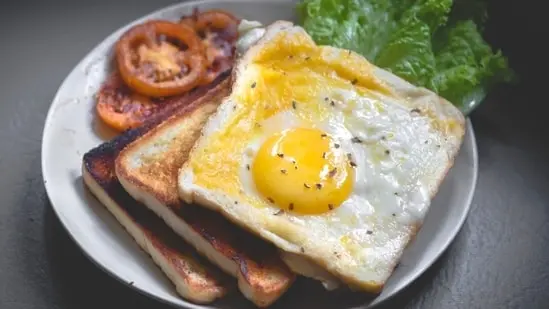
“Most breakfasts, like cereal or toast with jam, are mainly carbs with very little protein or fibre,” Dr Aujla pointed out. “Instead, try Greek yoghurt, eggs, beans or a tofu scramble. It’ll keep you fuller for longer, steady your energy, and stop that mid-morning snack hunt.”
3. Add greens to every meal
Greens add essential nutrients like fibre, folate, magnesium, vitamin K, and anti-inflammatory carotenoids to our diet. “Even one portion a day is linked to slower cognitive decline,” observed the doctor, adding that we should make this point “non-negotiable” and even frozen greens work.
4. Have 3 portions of fruits/veg per meal
Consuming three portions of fruits or vegetables with every meal brings us closer to having 10 portions every day. This provides more fibre, more polyphenols, and less inflammation, and has been linked to a lower risk of heart disease, stroke, cancer, and early death.
“One portion equals roughly three or four heaped tablespoons of cooked vegetables like roasted carrots or steamed broccoli, or a handful of raw leafy greens,” explained Dr Aujla.
5. Eat dinner earlier
It is better to have the last meal of the day by five or six in the evening, latest by seven, according to Dr Aujla. “It’s not always easy, but it helps your digestion, sleep and gives your gut more time without food to rest and repair. Think of it as the start of your evening routine, not the end,” he suggested.
Note to readers: This article is for informational purposes only and not a substitute for professional medical advice. Always seek the advice of your doctor with any questions about a medical condition.
This report is based on user-generated content from social media. HT.com has not independently verified the claims and does not endorse them.