



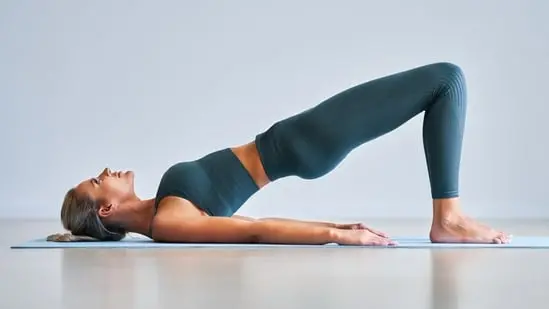
Starting yoga can feel exciting yet slightly intimidating at the same time. With so many poses, styles, and routines available online, beginners often wonder where to begin and how much is enough. Yoga, at its core, is not just about perfect poses. It is about building flexibility, balance, and a gentle connection between the body and mind. Simple yoga asanas help improve posture, ease stiffness, calm the nervous system, and support overall physical and mental well-being. When practiced regularly, even basic poses can improve strength, digestion, and focus. Yoga expert Saurabh Bothra, co-founder of Habuild, believes that starting slow with foundational poses helps beginners stay consistent and avoid injuries while enjoying the real benefits of yoga.
10 beginner-friendly yoga asanas to start your yoga journey
1. Sukhasana (Easy pose)
This seated pose helps calm the mind, improve posture, and encourage mindful breathing. It is ideal for beginners to build focus and relaxation. How to do it:
- Sit comfortably with legs crossed
- Keep spine straight and shoulders relaxed
- Rest your hands on your knees
- Close your eyes and breathe deeply
- Stay for 1–2 minutes
2. Padahastasana (Standing forward bend)
“This pose stretches the spine and hamstrings while improving blood circulation,” Bothra tells Health Shots. It also helps relieve stress and fatigue. How to do it:
- Stand straight with feet hip-width apart
- Inhale, raise arms overhead
- Exhale and bend forward from the hips
- Let your hands reach toward the floor
- Hold for 5–8 breaths
3. Bhujangasana (Cobra pose)
Cobra pose strengthens the spine, opens the chest, and improves flexibility. It also helps reduce back stiffness. How to do it:
- Lie on your stomach
- Place palms under shoulders
- Inhale and lift your chest gently
- Keep elbows slightly bent
- Hold for 15–30 seconds
4. Vajrasana (Thunderbolt Pose)
This pose supports digestion and promotes calmness. It is one of the few poses that can be done after meals. How to do it:
- Kneel and sit back on heels
- Keep spine straight
- Rest your hands on your thighs
- Close your eyes and breathe
- Stay for 1–2 minutes
5. Virabhadrasana I (Warrior I)
“Warrior I builds strength in the legs and improves balance. It also boosts confidence and focus,”says Bothra. How to do it:
- Step one foot forward, one back
- Bend the front knee
- Raise arms overhead
- Square hips forward
- Hold for 5–8 breaths
6. Malasana (Garland pose)
This deep squat improves hip mobility and aids digestion. It also strengthens the lower body. How to do it:
- Stand with feet wider than hips
- Lower into a squat
- Bring palms together
- Keep chest lifted
- Hold for 5–6 breaths
7. Marjaryasana–Bitilasana (Cat–cow pose)
This gentle flow improves spine flexibility and relieves back tension. It also synchronizes breath with movement. How to do it:
- Come onto all fours
- Inhale, arch back (Cow)
- Exhale, round spine (Cat)
- Move slowly with breath
- Repeat for 1 minute
8. Vrikshasana (Tree pose)
Tree pose improves balance, posture, and concentration. It strengthens the legs and core. How to do it:
- Stand tall
- Place your foot on the calf or thigh
- Join palms at chest
- Focus on a point
- Hold for 20–30 seconds
Also read: 11 easy yoga poses for seniors to boost flexibility and strength
9. Balasana (Child's pose)
A restorative pose that relaxes the back and calms the mind. Ideal for rest between poses. How to do it:
- Kneel and sit back on heels
- Fold forward
- Rest your forehead on the mat
- Extend arms or relax them
- Breathe deeply
10. Savasana (Corpse pose)
Bothra explains, “Savasana allows the body to absorb the benefits of practice. It deeply relaxes the nervous system.” How to do it:
- Lie flat on your back
- Relax arms and legs
- Close eyes
- Focus on breathing
- Stay for 3–5 minutes
Starting with these simple asanas can help you figure out where to start your yoga journey and gain benefits quickly.
(Note to readers: This article is for informational purposes only and not a substitute for professional medical advice. Always seek the advice of your doctor with any questions about a medical condition.)