



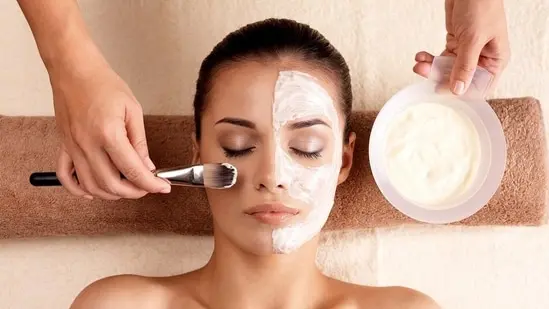
Facials are often seen as a relaxing indulgence and a way to rejuvenate skin health by working deep within the skin layers. But how do you know when your skin actually needs a facial?
ALSO READ: Calming to deep-cleansing: Why clay masks deserve a spot on your skincare beyond just your occasional spa-day pampering
HT Lifestyle reached out to Dr Pooja Gadikar, senior aesthetician and cosmetologist at 7e wellness, who revealed that indeed some prominent skin signs indicate when your skin requires a facial.
“Your late 20s skin appears at its best, but this is also a phase when it is exposed to long-term everyday skin challenges, such as pollution, stress, irregular sleep patterns, sun exposure, and lifestyle-related damage,” she reminded of the stress skin goes through when you are in your late 20s.
Signs that indicate you require a facial
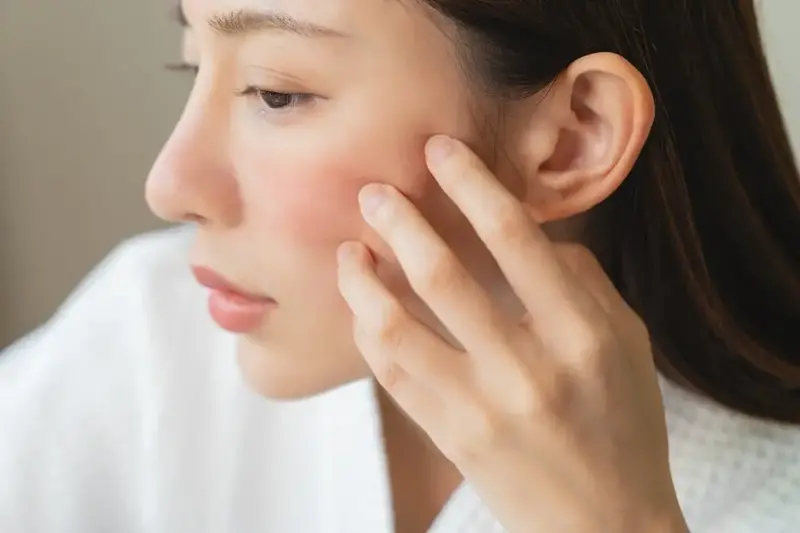
Detecting the signs when your face needs a professional treatment is not rocket science. The signs are very identifiable and visible. Here are some of the signs the cosmetologist shared with us:
1. Dull and tired skin
- If skin looks tired or grey even after cleansing and moisturising, it may be due to a buildup of dead skin and pollution.
- A professional facial can help remove this layer and bring back brightness.
2. Frequent breakout and clogged pores
- Blackheads, whiteheads or visible pores often mean oil and dirt are trapped in the skin.
- Deep-cleansing facials help clean pores better than home care.
3. Dehydration
- Skin may feel tight, look dull, or show fine dry lines, even after you apply moisturiser.
- It may also feel rough to the touch or flaky in some areas.
4. Sun exposure/ stubborn congestion
- After sun exposure, tanning, dark spots, or uneven skin tone may occur.
- Pores can look bigger, and blackheads or small bumps may appear, especially around the nose and chin.
5. Fine lines/ loss of firmness
- Fine lines around your eyes and mouth mean loss of skin firmness.
- The skin can look less lifted, with slight looseness along the cheeks/ jaw. Areas that once felt smooth may begin to feel less firm/ toned.
Facials based on problems
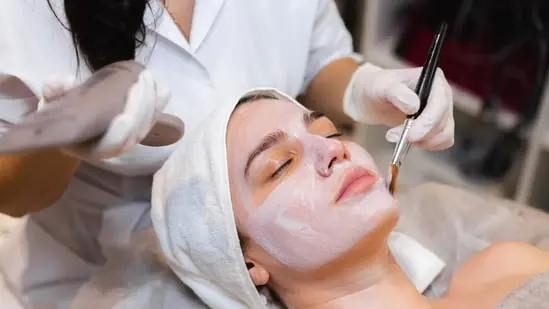
Dr Gadikar, however, revealed that not all facials are the same. Each one caters to different skin requirements and problems. She also suggested specific facials based on the concerns; they are designed to address and who they are most suitable for:
1. Hydra facials
- Hydrafacials are preferred for pollution-exposed skin.
- This machine-assisted facial deeply cleanses, gently exfoliates, removes congestion and hydrates the skin in a controlled, non-invasive manner.
- Suitable for beginners and ideal for concerns such as dullness, dehydration and clogged pores.
2. Hydrating/oxygen-infused facials
- Non-invasive treatment that uses pressurised oxygen and nutrient-rich serums to boost hydration, plump skin and calm irritation.
- Best for dryness and barrier stress from pollution
3. Microcurrent facials
- Non-invasive, needle-free alternative to injectables like Botox.
- Using low-level electrical currents, the treatment gently stimulates facial muscles, supports natural collagen and elastin production, improves circulation, and enhances skin health.
- Result is a visibly lifted, sculpted and rejuvenated skin with zero downtime and no needles involved
4. Medi-Facials (tech-enhanced and targeted)
- More advanced than a typical salon facial.
- Done with medical-grade devices and serums to penetrate deeper for longer-lasting effects.
- Works for uneven tone from sun exposure or stubborn congestion
5. Classic clean-up / traditional facials (manual)
- Involves cleansing, mild exfoliation, massage, mask and moisturisation, often tailored to skin type.
- Great starting point for beginners, and helps remove surface impurities and supports overall skin health
6. Organic / natural facials
- Organic or natural facials use clean, botanical ingredients such as herbal extracts, fruit-based serums or clay masks to gently soothe.
- Rejuvenate the skin without harsh chemicals.
Note to readers: This article is for informational purposes only and not a substitute for professional medical advice. Always seek the advice of your doctor with any questions about a medical condition.