



Who doesn’t want glowing skin? To achieve a flawless look, many of us use complicated skincare routines and expensive products. But sometimes, the secret to healthier, more radiant skin might be in your pantry. Did you know sunflower seeds, often seen as just a nutritious snack, offer great benefits for your skin. My mother always keeps sunflower seeds handy as she believes they are good for beauty, mainly because they are high in vitamin E, which is known for helping fight premature ageing.
What are sunflower seeds?
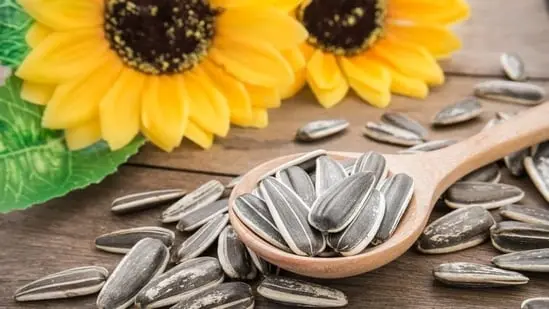
Sunflower seeds, scientifically known as Helianthus annuus, are edible and nutrient-dense. These seeds have hard, striped shells and can be eaten raw or roasted. They are often used in many recipes. A study in Recent Progress in Nutrition shows that sunflower seeds are rich in healthy fats, proteins, and vitamins, including B1, B2, and E. "People enjoy them for their high levels of antioxidants, especially vitamin E, which helps protect the skin from oxidative stress-induced damage", Aromatherapy expert and beauty veteran Dr Blossom Kochhar tells Health Shots. This damage can lead to premature ageing.
Are sunflower seeds good for the skin?
Sunflower seeds can offer many benefits for your skin. Here are some important ways they can help:
1. Rich in antioxidants
Vitamin E is very important for skin health. Research in Recent Progress in Nutrition shows that sunflower seeds contain antioxidants. "These antioxidants help fight off free radicals that can damage the skin", says the beauty expert. This protection can reduce signs of ageing and keep your skin youthful and vibrant. Antioxidants also protect against harmful UV rays, helping lower the risk of sunburn and skin damage.
2. Nourishes the skin
Sunflower seeds are high in healthy fats that help keep your skin hydrated. A study published in Chemistry Central Journal shows that these fats form a barrier that retains moisture and protects against dryness. If you have dry or sensitive skin, adding sunflower seeds to your diet helps keep your skin soft and smooth.
3. Anti-inflammatory properties
Sunflower seeds have anti-inflammatory properties that can help calm irritated skin. Experts like Dr Blossom Kochhar highlight these benefits, especially for people dealing with skin conditions such as eczema, psoriasis, or acne. Sunflower seeds can reduce soreness, redness, and discomfort.
4. Improving skin elasticity
Sunflower seeds support your skin's production of collagen and elastin. "This support keeps your skin elastic and can lead to firmer, stronger skin", says the doctor. Regular use may also reduce sagging and fine lines.
How to use sunflower seeds for glowing skin?
Let’s look at some easy DIY ideas to use sunflower seeds in your skincare routine. "First, it’s important to know the benefits of sunflower seeds", says Dr Kochhar. We can explore creative ways to incorporate them into your skincare routine.
1. Sunflower seed facial scrub
- Ingredients: A small handful of sunflower seeds, one tablespoon of honey, and a few drops of lemon juice.
- Method: Grind sunflower seeds into a coarse powder. Mix the powder with honey and lemon. Gently scrub your face in circular motions. Rinse with lukewarm water for refreshed, glowing skin.
2. Sunflower seed oil moisturiser
- Ingredients: A few drops of sunflower seed oil.
- Method: After cleansing, apply a few drops to your face and gently massage them in. This lightweight product provides deep hydration without clogging your pores. It is suitable for all skin types, including dehydrated and sensitive skin.
3. Sunflower seed face mask
- Ingredients: A few sunflower seeds, one tablespoon of yoghurt, and one tablespoon of honey.
- Method: Blend sunflower seeds with yoghurt and honey into a paste. Apply this mixture to your face and leave it on for 15-20 minutes. Rinse it off afterwards. This mask hydrates your skin, improves its texture, and reduces inflammation.
4. Sunflower seed and aloe vera gel for acne
- Ingredients: Mix one tablespoon of sunflower seed oil with one tablespoon of fresh aloe vera gel.
- Method: Mix the ingredients, then apply them to your breakouts before bed. These two components work together to reduce redness and promote healing of irritated skin.
5. Sunflower seed bath soak
- Ingredients: 1 cup of ground sunflower seeds and a few drops of essential oil, like jojoba or tea tree.
- Method: Add this to your warm bath for a soothing soak. It hydrates your skin and helps relax your muscles. This is great for people with dry or irritated skin.
6. Sunflower seed toner
- Ingredients: 1 cup of green tea, a handful of sunflower seeds, and cotton pads.
- Method: Brew tea using sunflower seeds and let it cool. Use cotton pads to apply it to your face. This natural toner helps tighten pores and refresh your skin.
Do sunflower seeds have any side effects on skin?
Sunflower seeds offer many benefits, but it's important to exercise caution. "Always do a patch test with new products to see how your skin reacts", advises the aromatherapy expert. Here are a few critical points to remember:
- Allergic reactions: Some people may have skin irritation or allergic reactions to sunflower seeds.
- Risk of breakouts: People with oily skin should be careful about how much sunflower seed oil they use, even though it usually doesn't cause breakouts.
- Sun sensitivity: Linoleic acid can increase your skin's sensitivity to sunlight; use sun protection.
- Over-exfoliation: DIY scrubs can harm your skin if used too roughly. Apply them gently and avoid overuse.
- Contamination risks: Improperly stored items can allow mould or bacteria to grow, potentially harming skin health.
(Note to readers: This article is for informational purposes only and not a substitute for professional medical advice. Always seek the advice of your doctor with any questions about a medical condition.)