



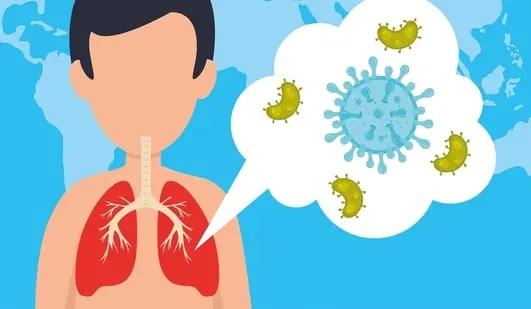
While we love cosy sweaters and hot drinks in winter, the cold air can be tough on our lungs. Even if you’re healthy, biting cold winds and chilly mornings can trigger coughing, wheezing, or shortness of breath. Outdoor workouts or long walks in freezing temperatures may feel refreshing, but they can also stress your respiratory system more than you think.
Dr Loveleen Mangla, Senior Consultant and Head of Respiratory, Critical Care and Sleep Medicine at Metro Hospital, Faridabad, shares with HT Lifestyle how cold waves affect the lungs and ways to protect your respiratory health. (Also read: Mumbai dermatologist shares why online hair and skin advice can’t replace real check-up: ‘AI can assist, doctor decides’ )
How cold air affects lungs
“Cold, dry air can cause the airways to constrict reflexively, leading to shortness of breath, chest tightness, coughing, or wheezing, even in people without asthma,” says Dr Mangla. This narrowing of the airways, known as bronchoconstriction, is one of the main reasons people feel discomfort in extreme cold. He adds, “Cold air may also dry and irritate the airway lining, triggering inflammation and making the lungs more sensitive and reactive.”
Another effect of cold temperatures is on the body’s defence mechanisms. “Cold air can impair the mucociliary clearance system, the tiny hairs in our airways that remove germs and particles, making you more prone to infections like bronchitis or pneumonia,” Dr Mangla explains. “Additionally, cold air thickens mucus, making it harder to clear, which can cause congestion and a persistent cough,” he notes.
For those exercising outdoors, there’s another risk. “Healthy individuals, especially runners or outdoor workers, may develop asthma-like symptoms in cold weather, known as exercise-induced bronchospasm,” says Dr Mangla.
“People may experience a persistent or dry cough, chest tightness, breathlessness during exertion, wheezing after cold exposure, or an increased frequency of respiratory infections,” Dr Mangla explains.
Risks for people with asthma or COPD
“Cold waves can be dangerous for people with asthma or Chronic Obstructive Pulmonary Disease (COPD), as cold air directly affects the airways and increases the body’s stress,” she warns. “In COPD, damaged lungs already struggle to exchange oxygen. Cold stress can make breathing harder and may lead to low blood oxygen levels. Extreme cold can also coincide with higher rates of influenza, pneumonia, and bronchitis, which can worsen symptoms and even lead to hospitalisation.”
Who is more vulnerable
- Children and older adults
- Smokers or ex-smokers
- People with allergies
- Individuals exercising or working outdoors
- Those with recent viral infections
Prevention measures
- Avoid strenuous outdoor activity in extreme cold.
- Cover your nose and mouth with a scarf or mask
- Stay hydrated even during winter.
- Warm up properly before exercising.
- Use prescribed inhalers regularly.
- Keep indoor air warm and humidified.
- Get vaccinated against flu and pneumonia.
- Seek early treatment for a persistent cough or breathlessness.
When to see a doctor
“Consult a doctor if symptoms last more than 2–3 weeks, if there’s recurrent wheezing or breathlessness, chest pain, fever, blood in sputum, or if symptoms worsen with cold exposure,” Dr Mangla recommends.
Note to readers: This article is for informational purposes only and not a substitute for professional medical advice. Always seek the advice of your doctor with any questions about a medical condition.