



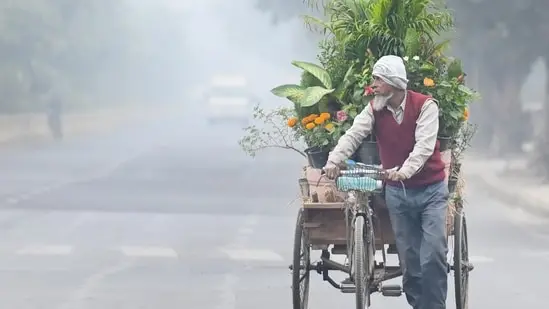
As Delhi’s Air Quality Index (AQI) breached the alarming 1,000 mark in several areas this season, the conversation has shifted from a seasonal complaint to a desperate search for solutions. While policy changes and industrial reforms are the levers of the state, a vital question remains: what can the ordinary citizen do to reclaim the right to breathe?
As part of the‘Habit Badlo, Hawa Badlo’ campaign, an initiative by GAIL (India) Limited, in partnership with Hindustan Times, we took to the streets to ask residents how they are navigating this crisis and what personal changes they are willing to make. The consensus that came out seemed clear. Even though awareness is at an all-time high among residents of the National Capital Region (NCR), the path to action is paved with both hope and hurdles.
See what Delhiites had to say,
Voices from the Ground
For many residents, the first line of defence is wearing a mask, which even comes as a stark reminder of the COVID era. However, people recognised that masks are just like a “band-aid solution”. “We have no alternative but to wear masks, but on a personal level, we need to think bigger,” said one resident.
The conversation moved to traffic in Delhi, a city where the roads are notoriously congested. This was highlighted by a visitor from Kathmandu who noted that the sheer volume of vehicles in Delhi is overwhelming compared to neighbouring regions. While many advocated for the use of the Delhi Metro, others pointed to the need for carpooling. However, some residents expressed “solution fatigue”, as they felt that carpooling is often suggested but can rarely be sustained.
The transition to Electric Vehicles (EVs) is seen as a major solution, but the high cost of electric vehicles remains to be one of the biggest discouraging factors for the middle class. “More participation is needed, but EVs are expensive. We need them to be more affordable so every person can make the switch,” a young professional said.
Beyond transport, citizens also spoke about the need to stop the burning of plastic, thermocol, and agricultural waste as these small acts of “individual arson” can go a long way in curtailing pollution at a local level.
About the Initiative
Addressing this need for a fundamental shift in daily practices, GAIL (India) Limited has launched the ‘Habit Badlo, Hawa Badlo’ (Change Habits, Change the Air) campaign in partnership with Hindustan Times. This initiative recognises that for the 30 million residents of NCR, the air crisis is deeply personal, leading to a surge in respiratory ailments like asthma and COPD, particularly among children and the elderly.
The campaign moves the needle from what authorities must do to what every individual can do. It stresses upon the fact that small, daily choices can accumulate to create a big collective impact. To provide practical guidance, the initiative includes expert sessions offering advice on sustainable living. A unique focus of the campaign is the concept of ‘Green Weddings’ and ‘Festival Best Practices.’ By giving citizens the tools to make conscious choices, GAIL aims to turn every resident into an active participant in the journey toward a greener future.
One of the key takeaways from the interaction with citizens was the realisation that the public no longer views pollution as a problem “the government will fix”. There is a growing sense of personal accountability. From following BS-VI vehicle norms to taking the initiative to stop garbage burning in their neighbourhoods, Delhiites are beginning to connect their personal habits to the AQI numbers on their screens.
A Collective Responsibility
The fight for clean air is a marathon, not a sprint. As the ‘Habit Badlo, Hawa Badlo’ campaign highlights, the path to cleaner air begins with everyday decisions. Whether it is choosing public transport, opting for sustainable celebration methods, or simply refusing to burn plastic, these habits form the frontline of Delhi’s environmental defense.
The message from the citizens is loud and clear. The level of awareness has gone up and the will to change is there. Now, it is about turning that awareness into a lifestyle. After all, if we want to change the air we breathe, we must first change the way we live.
Take the Clean Air pledge right here.