




After having a meal, does your abdomen feel uncomfortably tight and overly full, as if your stomach is being stretched to its limit? This is a common digestive complaint, generally experienced after a heavy meal. Along with the sensation of bloating, other symptoms such as gas, belching, and heartburn can also occur. The good news is that with simple hacks, you can lower the frequency and intensity of bloating.
ALSO READ: IBS vs IBD: Gastroenterologist shares the main differences between the two common gut conditions
Dr Shekhar Swaroop, consultant - medical gastroenterology and hepatology at Bhagwan Mahavir Manipal Hospitals, Ranchi, shared with HT Lifestyle that this discomfort is very common among Indians. “It is quite alarming that close to 70% of Indians living in urban India experience frequent digestive issues,” he said.
But by adjusting how and what one eats, along with lifestyle changes, bloating can be significantly reduced, and digestive comfort improved.
Hacks to reduce bloating
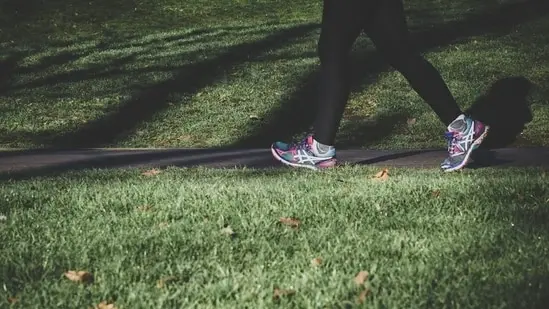
Here are some hacks the gastroentrologist recommended to follow before, during, and after a meal to reduce the chances of bloating:
1. Move a little after meals
- Avoid sitting or lying down after a heavy meal, as it slows intestinal movement and allows gas to accumulate.
- A 10–15-minute walk after meals stimulates intestinal movement and the gastrocolic reflex, helping food move through the digestive tract and reducing fullness.
- Avoid intense exercise; just a relaxed walk is enough.
2. Eat smaller, more frequent meals
- Large meals stretch the stomach suddenly, which can overwhelm its ability to relax and accommodate food, which is a major cause of post-meal bloating and discomfort.
- Eating smaller portions at regular intervals puts less pressure on the stomach and allows digestion to proceed more smoothly.
- This technique is useful for people who suffer from early satiety, bloating, or indigestion.
3. Avoid drinking too much water with meals
- Consuming large volumes of water during meals can worsen the feeling of heaviness or bloating.
- Drinking water in small sips during meals is better, instead of chugging a large quantity.
- If very thirsty, drink water 20-30 minutes after meals.
- Avoid carbonated drinks during meals, causes gas.
4. Don’t talk while eating
- When talking, many people swallow excess air, which builds up in the stomach and intestines, causing bloating and belching.
- Eating slowly, chewing well, and minimising conversation while chewing can significantly reduce air swallowing.
- Simple rule is to eat first, then talk, rather than doing both at the same time.
Diet changes
Now that you are aware of immediate hacks, let's look at some long-term dietary changes. The gastroentrologist recommended avoiding FODMAP foods. Explaining why FODMAPS should be avoided, he noted that they are not well absorbed in the intestines and are quickly fermented by bacteria, which produces gas.
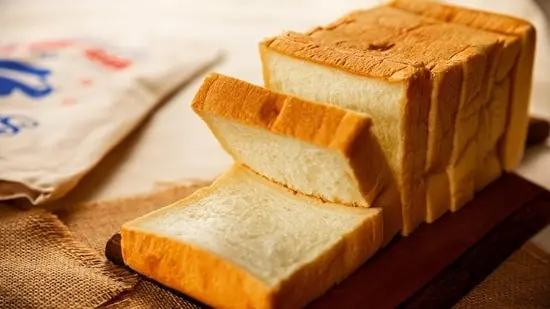
“Some of the FODMAPs that one should limit or avoid in their diet include onions, garlic, wheat, beans, fruits, milk, and artificial sweeteners,” he shared the names of some FODMAP foods. However, the doctor also assured that you don't have to abruptly change everything or make it permanent. A low-FODMAP approach is best used as a short-term trial, with foods gradually reintroduced to identify individual triggers.
Note to readers: This article is for informational purposes only and not a substitute for professional medical advice. Always seek the advice of your doctor with any questions about a medical condition.