



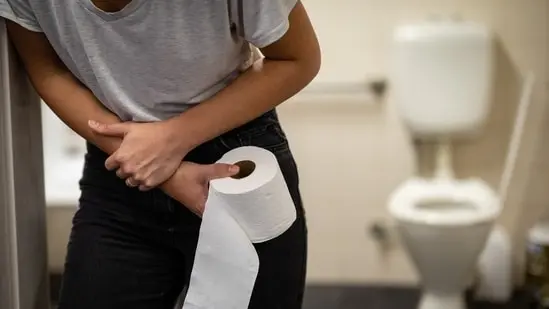
Nature's call is regarded as one of the most dreaded moments in the winter, when you have to abandon your warm blanket and step away from the toasty heater to waddle to the cold bathroom. And if constipation decides to show up, the wait gets even longer and freezing. Furthermore, if you don't take proper precautions in the colder months, you are likely to suffer from constipation, leaving you stranded far longer.
To understand what makes one more vulnerable to gut issues like constipation in winter months, HT Lifestyle spoke to Dr Sanil Parekh, additional director, interventional endoscopy, Sir H.N. Reliance Foundation Hospital, Mumbai.
Let's take a closer look at what the seasonal factors contributing to the surge of constipation cases, along with simple steps to keep your digestion comfortable.
Why does constipation increase in winter?
As per Dr Parekh, winter majorly changes your daily habits, which are responsible for how you digest and how your gut functions.
Elaborating on these changes, he said, “Some factors include colder water makes people drink less, leading to dehydration and harder stools; the cold generally encourages people to be more sedentary, which slows digestion.”
Besides changes in hydration habits, diet also takes a hit. “Diets tend to be heavier and richer, with fewer fresh fruits and vegetables during winter, reducing fibre intake and adding to the risk of constipation,” he said.
6 tips to prevent winter constipation
But reducing constipation risks in winter is not rocket science; it is really about sticking to healthy habits. The changes in habits are one of the key reasons for gut discomfort to arise.
Here are some of the tips Dr Parekh shared with us, listing them out, from hydration to fibre intake:
1. Keep hydrated

- Even when it's cold outside, it's important to drink plenty of water to keep all bodily functions running smoothly. Being dehydrated can cause stool to harden and be difficult to pass.
- Drink at least 2–3 litres of water daily, even if you don’t feel thirsty.
- Add warm liquids, such as herbal teas, soups, and broths, to the diet, which can help the body maintain fluid levels and activate digestive processes.
- Avoid excessive caffeine and alcohol because such substances dehydrate your body.
2. Add fibre to your diet

- It helps in regulating digestion because it adds bulk to the stool and regulates bowel movements.
- Include apples, oranges, guavas, and pears as fresh fruits.
- Eat vegetables high in fibre, such as carrots, beets, spinach, and cabbage.
- Incorporate whole grains like oats, brown rice, and quinoa.
3. Stay physically active

- Even moderate exercise can boost digestion by helping your intestines function efficiently.
- Aim for at least 30 minutes of activity daily, such as walking, yoga, or light stretching.
4. Follow a regular schedule
- Digestive systems generally thrive on routine, so eat meals at regular times.
- Establish a bathroom routine to help regulate bowel movements.
5. Limit processed foods

- Processed snack foods and fast foods contain very little, if any, fibre content.
- Replace chips, sweetened snacks, and fried foods with roasted nuts, fresh fruits, or whole-grain crackers.
- Whenever possible, prepare meals at home using fresh, unprocessed ingredients.
6. Consider natural remedies

- If the constipation problem persists, there are a few home and natural remedies that may help.
- Prunes are considered a natural, mild laxative.
- Other ingredients that could help this include papaya, lemon water, and ghee.
So in the winter, you need to take extra care of your gut health. If you keep your healthy lifestyle habits intact, you already have a head start in preventing seasonal annoyances like constipation.
Note to readers: This article is for informational purposes only and not a substitute for professional medical advice. Always seek the advice of your doctor with any questions about a medical condition.