



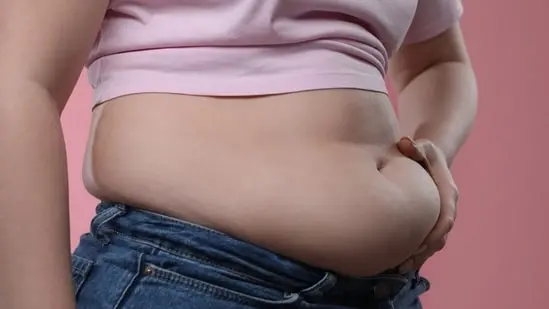
Are you struggling to lose weight while targeting the fat around your belly? Well, while you can begin your weight loss journey by including exercises, a healthy lifestyle, and caloric deficit diets into your daily schedule, what you should also be focusing on is finding out what type of belly fat you have.
Also Read | Oncologist with 30 years of experience explains the vicious cycle of how cancer treatments harm heart health
Soft belly vs hard belly
In an Instagram video shared on January 17, Dr Shubham Vatsya, a gastroenterologist and hepatologist at Fortis Vasant Kunj with over 10 years of experience, highlighted that the texture of your abdominal fat is a critical indicator of internal health.
He noted, “A belly isn’t just about looks, it’s a health signal. Soft usually means surface fat. Hard often means deeper, riskier visceral fat affecting hormones, sugar control, and the heart. Don’t chase weight alone. Fix habits. Eat smarter, move daily, sleep better.”
Now the question is, what does your belly feel like right now? Explaining the risks of having a hard belly fat – an indicator of visceral fat – Dr Vatsya noted that: “If your stomach is protruding and feels soft, there's usually less cause for concern.” However, if your stomach is protruding and feels hard, that's a clear red flag.
Why visceral fat is a health alarm!
According to the gastroenterologist, a hard belly is a sign of visceral fat, and this is where metabolic diseases often begin. He explained, “A soft belly is mostly subcutaneous fat, which is stored just beneath the skin. It's easily pinched and has a relatively limited metabolic impact. A hard belly, on the other hand, indicates visceral fat, which accumulates directly around the liver, pancreas, and intestines.”
This type of fat, the gastroenterologist noted, releases inflammatory chemicals and stress hormones, increasing the risk of insulin resistance, fatty liver disease, high blood pressure, and heart disease.
Therefore, he suggests, “Simply looking at weight or BMI is not enough. More protein, daily movement, and proper sleep are your saviours here.”
Note to readers: This article is for informational purposes only and not a substitute for professional medical advice. Always seek the advice of your doctor with any questions about a medical condition.
This report is based on user-generated content from social media. HT.com has not independently verified the claims and does not endorse them.