



New Delhi
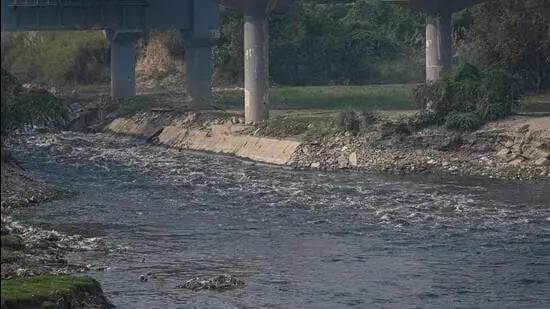
The Delhi Jal Board (DJB) has decided to undertake in-situ treatment of five drains and their sub-drains before they empty into the Yamuna in Delhi, officials aware of the developments said. These include the drains at Delhi Gate, ISBT, Defence Colony, Sen Nursing Home and No. 12A, they said.
“The agencies will be provided five months for preparation and commissioning of the project and they will be responsible for running it for three years,” a DJB official said.
Officials said the project is likely to cost over ₹30 crore, of which around ₹21 crore will be spent on the Delhi Gate drain, ₹3.27 crore on Sen Nursing Home and No. 12 drains, ₹1.41 crore at Defence Colony, ₹2.09 crore at ISBT and ₹1.31 crore on Jaitpur drain in southeast Delhi.
In-situ wastewater treatment refers to methods of treating sewage, sewage sludge or industrial effluent directly at its source or within the existing drain/water body, rather than transporting it to a centralised, off-site treatment facility. It uses biological (e.g., bacteria), physical, and chemical processes to remove pollutants.
Experts, however, say that without resolving the underlying basic issues contaminating drains, the in-situ treatment may turn out to be wastage of money.
Bhim Singh Rawat, a Yamuna activist and member of the South Asia Network on Dams, Rivers and People (SANDRP), said that in-situ treatment has also been tried in the Varuna and Assi stretches in Varanasi, but it has not yielded good results.
“We have to stop taking the piecemeal approach and experimentation. There are a large number of factors which are at play leading to pollution in drains, varying from sewage to illegal industries dumping chemicals. Things fall apart due to local conditions which ultimately leads to wastage of taxpayers money. DJB should consult citizens, tap drains and make it a participative exercise,” he said.
According to the latest Delhi Pollution Control Committee report, these drains have recorded high pollution levels.
As per the DPCC report dated December 22, 2025, the ISBT drain had total suspended solids (TSS) of 294 units, chemical oxygen demand (COD) of 272 units and biochemical oxygen demand (BOD) of 115 units—much higher than the standards. The Sen Nursing Home drain was even more polluted with TSS and BOD at 368 and 344 units, respectively. Jaitpur drain recorded TSS, BOD and COD at 120 units, 180 units and 70 units.
The BOD indicates the level of organic pollution in water by measuring how much oxygen microorganisms need to break down the biodegradable component, COD measures the total oxygen required for chemical oxidation of all organic and inorganic pollutants, while TSS indicates the turbidity levels due to undissolved components. Lower values indicate better water quality levels.
The 22km Yamuna stretch between Wazirabad and Okhla is the most polluted part of the river with 22 major drains flowing in the river stream.
Currently, the DJB is unable to treat the entire amount of sewage generated by the city, and a large amount ends up in the river. “To increase its overall sewage treatment capacity, the Delhi government is connecting all the households to sewerage treatment infrastructure and a target to double the treatment capacity has been fixed for next three years. DSTPs are being set up for larger drain while in situ treatment will be tried at some locations,” DJB officials said.