



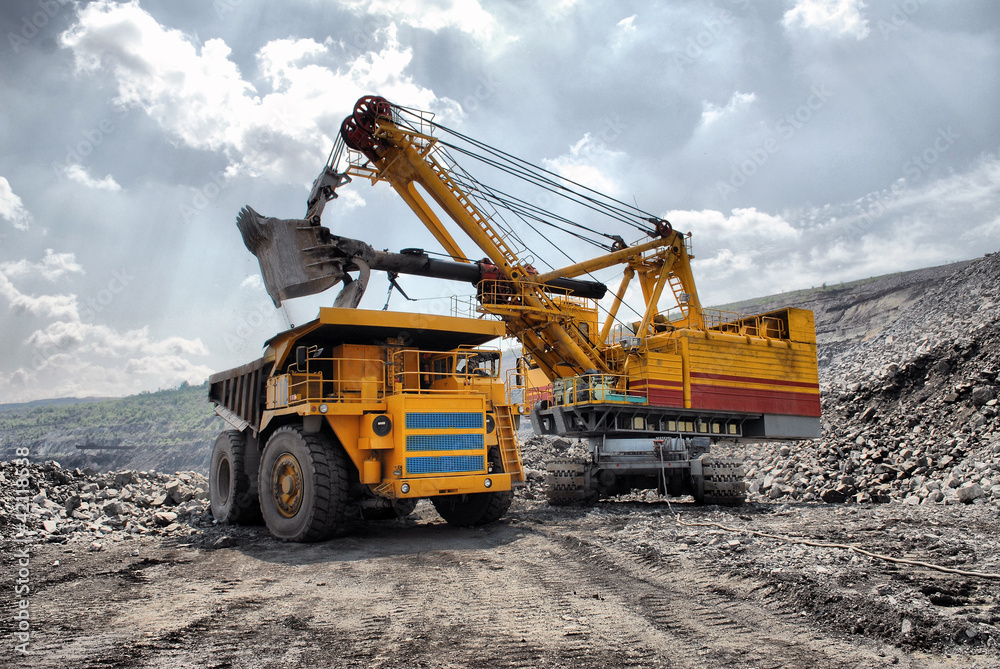
The Punjab government has identified over 200 new mining sites across districts under the amended policy, with surveys, technical vetting, public consultations, and environmental impact assessment studies currently in progress, to ensure an adequate supply of raw materials and reduced pressure on existing sites, officials said.
Most of these mines are expected to become operational over the next three months, officials said, pointing out that the operationalisation of these mines will help ease supply constraints.
The state government received 290 applications under the crusher mining sites (CRMS) and landowner mining sites (LMS) categories. “Processing is underway, with 26 letters of intent already issued. Remaining applications will be taken up after completion of mandatory processes, including inclusion of sites in District Survey Reports,” the officials said.
This follows reforms undertaken by the state government, including amendments to the Punjab Minor Mineral Policy, in order to try and curb illegal mining, reduce prices for consumers, and increase state revenues.
Mines and geology minister Barinder Kumar Goyal said the government is committed to ending opacity in mining and ensuring that natural resources are used for the benefit of the people. “By shifting to transparent online auctions, we are protecting state revenue, creating a level playing field for genuine operators, and curbing illegal mining,” he said.
He said that for years, Punjab’s mining sector suffered from an acute shortage of authorised mining sites. “With barely around 35 operational mines across the state, legal supply fell far short of the demand for construction material required for roads, housing, and infrastructure projects. This mismatch created a vacuum that was increasingly filled by illegal mining and unregulated supply chains,” he said.
Among the changes was the introduction of CRMS to address long-standing issues faced by the crusher industry. Earlier, gravel mining was restricted to commercial mining sites auctioned by the department and crusher owners were dependent on limited CMS output or forced to source material from other states, often at higher costs, even though many owned land chunks with gravel deposits that remained non-operational. Under the CRMS framework, crusher owners who possess land with gravel deposits can now obtain mining leases and mine material for their own operations.