



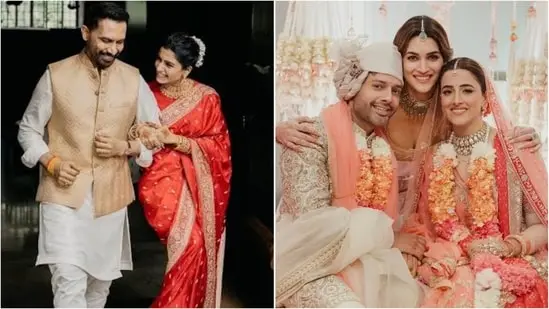
Brides, get ready to turn heads in 2026! From dreamy, ethereal gowns to bold, statement silhouettes, this year’s bridal trends beautifully blend tradition with modern flair. But not every style is worth trying. Devangi Nishar Parekh, Managing Director of Aza Fashions and Founder of Araiya by Aza, shares with HT Lifestyle what to embrace and what to skip, for a flawless, show-stopping wedding look. (Also read: Designer Gaurav Gupta calls ‘Jr NTR at Oscars’ his most memorable look; reveals top fashion trends for 2026 | Interview )
How are brides embracing individuality in 2026
“Bridal fashion in 2026 reflects a distinct shift in mindset, from predictability to personalisation,” says Devangi. “Luxury is no longer just about grandeur, it’s about intention, thoughtful design, and pieces that are meaningful for celebrations. Brides are prioritising personal storytelling, flattering fits, individuality, and sustainability over spectacle.”
One of the most striking trends, Parekh adds, is the emphasis on individuality. “We’ve noticed more clients choosing silhouettes, colours, and styling that feel true to their personality rather than following a fixed formula. Contemporary pre-draped sarees, modern fusion lehengas, and fluid couture sets are gradually replacing the predictable, one-size-fits-all approaches. Cookie-cutter styles popularised on social media are losing appeal as personal expression takes centre stage.”
What styling and tailoring trends are defining modern bridalwear
“Styling is now key in modern bridalwear,” she continues. “Statement dupattas, veils, capes, personalised embroidery, and layered drapes are transforming traditional designs into looks that feel uniquely tailored. Flower dupattas, metal-chain veils, and heavily worked panels combining embroidery, applique, and embellishments are being layered over the classic drape to add depth and character.”
Tailoring also remains a focus for modern brides. “Structured blouses, elongated cholis, and corset-inspired fits are chosen for the balance they strike between tradition and modernity,” Parekh explains. “Clients expect outfits that complement their body type and allow freedom of movement. There’s a shift away from rigid designs that prioritise grandeur over wearability, highlighting craftsmanship and design integrity.”
Which colours and jewellery styles are trending for brides
Colour palettes, she notes, are evolving towards subtle sophistication. “Soft shades like ivories, antique golds, blush tones, muted pastels, and warm neutrals are dominating wedding-day selections. Even classic red is being reinterpreted, deeper tones such as wine, oxblood, maroon, and rust are gaining favour for their richness and contemporary elegance, alongside jewel tones,” says Devangi.
Jewellery is also undergoing a transformation. “Gen-Z brides are moving away from basic diamonds and are opting for pieces that tell a story,” Parekh says. “Wearable art, dramatic ear chains and cuffs, ornate haathphools, bejewelled sunglasses, and sculptural chokers, are on trend. Three-dimensional pieces that frame the face and body are taking centre stage, with lab-grown diamond jewellery gaining popularity for mangalsutras and trousseau staples. Coloured stones are also becoming a preferred choice.”
Parekh concludes, “bridal fashion in 2026 is about intentional choices and considered luxury. Shoppers are prioritising designs that feel personal, well-crafted, and enduring, showing that modern celebrations are less about spectacle and more about meaningful expression.”