



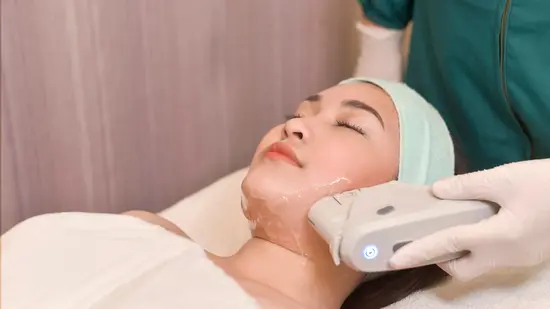
Beauty procedures were long perceived as requiring surgery or going under the knife. With signs of ageing appearing sooner than ever, people are increasingly seeking skin-tightening treatments. The beauty industry has kept pace, with non-invasive treatments becoming the preferred choice for those looking for effective, non-surgical, hassle-free solutions without long recovery periods.
In an interview with HT Lifestyle, Dr Geetanjali Shetty, MD, FCPS, DDV, FRPSH (UK), FAAD (US), Mumbai, explained the basics of non-invasive treatments.
Highlighting the surge in demand, Dr Geetanjali said,"Over the past few years, the global beauty preference has exponentially grown with over 34.9 million aesthetic procedures performed in 2023 worldwide, marking a 3.4% increase from the previous year. Notably, non-surgical procedures saw a significant 7.2% rise. This upswing signals a paradigm shift in the beauty landscape, as women turn to more effective, non-invasive skin tightening solutions over traditional surgical alternatives."
Non-invasive skin procedures have an edge over injectables and cosmetic surgical procedures. Dr Geentanjali elaborated, “For many years, injectables and cosmetic surgical procedures were considered the primary solutions for addressing fine lines, wrinkles, and sagging skin. While procedures like plastic, cosmetic, or microsurgeries can offer wonderful results, they come with certain innate challenges and potential risks. Surgical interventions typically require individuals to be in overall good health, as these procedures are often performed under anaesthesia. What makes non-surgical skin tightening treatments appealing is the fact that they come with fewer risks, are hassle-free, convenient, and have a shorter recovery time.”
1. At what age should one get non-invasive treatment?
- Due to changing lifestyles and increasing exposure to stress, pollution, and digital screens, signs of ageing are now appearing much earlier than before, often as early as the late 20s or early 30s.
- As a result, people have become more conscious of their appearance and proactive about maintaining youthful skin. With greater awareness and education around available treatments, many are now opting for preventive rather than corrective care.
- Non-invasive skin tightening procedures have become especially popular among individuals in their early 30s to early 50s, when the signs of ageing are still mild to moderate but noticeable enough to prompt an early intervention.
2. Age-wise breakdown on skin tightening

Despite age being a factor, anti-ageing or skin tightening procedures are highly personalised and can vary based on several factors, including skin type, degree of skin laxity, lifestyle habits, genetic predisposition, and individual treatment goals.
Late 20s
- Concern: Early signs of ageing
- Treatments: Preventive RF, Ultherapy, Microneedling, PRX-Plus, HydraFacial’s
- Goal: Boost collagen, delay ageing
30s
- Concern: Fine lines, mild laxity
- Treatments: PRX-Plus, Microneedling with RF, Thermage, light fillers, skin boosters
- Goal: Maintain firmness, prevent deeper ageing,and brighten skin
40s
- Concern: Sagging, volume loss
- Treatments: Ultherapy, RF, PRX-Plus, thread lifts, fractional lasers, fillers
- Goal: Lift, firm, and restore volume
50s and beyond
- Concern: Deeper wrinkles, severe laxity
- Treatments: Ultherapy, RF Microneedling, CO2 lasers, combination therapies, Botulinum toxin, fillers, threads, PRX-Plus
- Goal: Tighten, resurface, and rebuild structure
3. Skin ageing signs that indicate when you should get a skin tightening treatment
The early sign of ageing typically begins to show somewhere between the late 20s to early 30s.
- Initial appearance of dynamic lines, which later become static like crow’s feet, laugh lines, or forehead lines that don’t fade at rest
- Skin starts losing its natural radiance and glow due to slower cell turnover
- Rough, flaky and dehydrated skin due to reduced oil production and moisture retention
- Appearance of small brown spots or patches on areas frequently exposed to sunlight
- Pores begin to appear larger, especially around the nose and cheeks, due to reduced elasticity
4. Who should avoid these treatments?

- Pregnant or breastfeeding women: Safety data is limited; better to consult your dermatologist and seek their opinion
- People with active skin infections or open wounds: Treatments may worsen inflammation or spread infection
- Individuals with pacemakers or metal implants (esp. near the treatment area): Especially for radiofrequency and electromagnetic systems, which can interfere with implants.
- People with severe or uncontrolled chronic illnesses: Conditions like uncontrolled diabetes, autoimmune diseases, or active cancer may increase risk.
- Individuals with certain skin conditions: Eczema, dermatitis, psoriasis, or overly sensitive skin in the treatment area, should be evaluated first.
5. Area-wise skin tightening treatments
- Wrinkles on the forehead or Crow's feet: Bro lift, botulinum toxin, PRX-Plus
- Sagging jawline or jowls: Radiofrequency Microneedling, HI-FU, Thread lifts, Fillers, Ultherapy, Cool sculpting, PRX-Plus
- Neck Laxity: Ultherapy, Thermage, Fractional Laser, Hyaluronic fillers
- Mid-Face or cheeks: Radiofrequency Microneedling, Fillers, Thread lifts, HI-FU, PRX-Plus
- Abdomen or sagging arms: Body RF, Laser Tightening, Cool Sculpting
ALSO READ: Skin irritated despite good skincare and diet? Consider these 4 professional treatments for a complete reset
Note to readers: This article is for informational purposes only and not a substitute for professional medical advice. Always seek the advice of your doctor with any questions about a medical condition.