



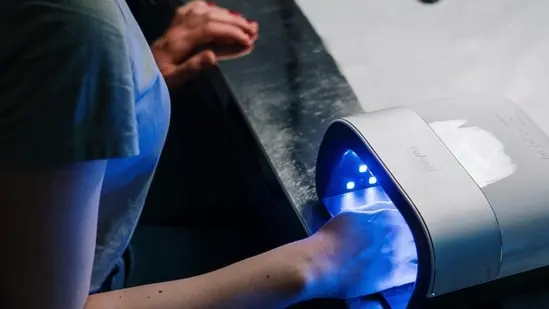
Weekly gel manicure appointments may keep your nails looking cute and perfectly polished, but what’s happening to your skin under those lamps is anything but cute. While the quick curing process feels routine and harmless, repeated exposure to manicure lamps can quietly add up - potentially damaging the skin on your hands without you even realising it.
Also Read | Nails becoming blue in winter? Doctor shares why and when it can be concerning
Dr Sood, an anaesthesiologist and interventional pain medicine physician, is breaking down how repeated exposure to UVA rays from manicure lamps during gel manicures can gradually impact skin health over time. In an Instagram video shared on February 4, he explains why repeated UVA exposure from manicure lamps can be harmful over time and outlines simple ways to protect your skin while getting gel manicures.
Are gel manicure lamps harmful?
According to Dr Sood, LED-based gel manicure lamps are not as harmless as they appear. While they emit lower levels of UVA radiation compared to traditional UV lamps, repeated exposure to even these reduced doses can accumulate over time and potentially cause skin damage.
He explains, “Gel manicure lamps may look harmless, but they do expose the skin to UVA radiation, even the newer LED-based lamps. While LED lamps don't emit UVB, they still produce UVA wavelengths, which are linked to premature skin ageing and increased skin cancer risk. UVA penetrates deeper into the skin and generates reactive oxygen species, which can damage DNA and skin cells over time.”
How much exposure is too much?
While an occasional manicure is unlikely to cause significant harm, the physician warns that frequent, weekly sessions can lead to cumulative UVA exposure over time. This repeated exposure can compound skin damage, particularly affecting the most vulnerable areas - the backs of the hands, fingers, and nail beds.
He states, “During gel manicures, the backs of the hands, fingers, and nail beds receive the most exposure. An occasional gel manicure carries a low risk, but frequent sessions every few weeks can lead to cumulative UVA exposure, especially over years. People at higher risk include those with fair skin, a personal or family history of skin cancer, or significant prior sun exposure.”
How to reduce risk?
Dr Sood explains that the risk from UVA exposure is cumulative rather than immediate, meaning the damage builds gradually over time - which is precisely why consistent protection matters. He outlines the following three ways you can protect your skin from damage during exposure:
- Applying a broad-spectrum SPF 30 or higher to the hands before your appointment.
- Wearing UV protective gloves with the fingertips cut off can significantly limit exposure.
- Spacing out sessions also helps reduce cumulative damage.
Note to readers: This article is for informational purposes only and not a substitute for professional medical advice. It is based on user-generated content from social media. HT.com has not independently verified the claims and does not endorse them.