




We often blame screens for our tired eyes, but the real issue may be something else: a lack of recovery. We work on laptops, unwind on our phones, binge-watch shows late into the night, reply to messages from bed, and call it normal – meanwhile, our eyes are constantly focusing, adjusting to light, and processing movement at close range. Over time, the strain adds up, leaving them dry, fatigued, and irritated, while quietly interfering with something just as important: quality sleep.
Also Read | A mind-body approach for PMOS: Lifestyle expert shares why women need holistic lifestyle regulation for treatment
HT Lifestyle reached out to Luke Coutinho, integrative lifestyle expert, who explains, “In over 15 years of working with people on lifestyle, sleep, stress, and recovery, I have seen this pattern repeatedly. A person closes the laptop after ten hours of work, only to ‘rest’ by scrolling on the phone for another hour. The body never receives a true signal to wind down. The eyes do not recover from one screen by moving to another screen. They recover when we create real pauses, darkness, and sleep.”
Darkness is a biological signal
According to the lifestyle expert, darkness is not emptiness. It is one of the oldest recovery signals for the human body. When evening light reduces and we move away from screens, the brain receives the message that it is time to slow down. This supports melatonin, circadian rhythm, and deeper sleep.
Luke highlights, “Harvard Health Publishing has highlighted how light exposure at night can suppress melatonin and affect circadian rhythm. This is why a night mode filter is not the same as a digital detox. It may reduce some light intensity, but it does not remove stimulation, notifications, emotional triggers, or the constant pull of content. Before bed, the goal is not just to protect the eyes. It is to protect the nervous system.”
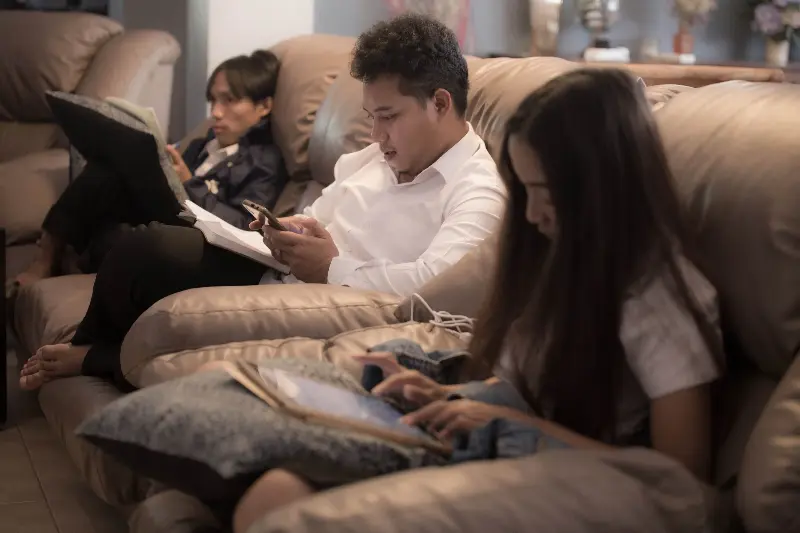
Screen breaks are not optional
Digital eye strain often comes from prolonged close focus, reduced blinking, poor posture, glare, and lack of breaks. The American Academy of Ophthalmology recommends conscious blinking and regular screen breaks to reduce dryness and discomfort.
“A simple habit that works beautifully is the 20-20-20 rule: every 20 minutes, look at something 20 feet away for at least 20 seconds. This relaxes the eye muscles and interrupts constant near-focus strain,” recommends Luke. He adds, “You can also practice palming: rub your palms together, gently cup them over closed eyes without pressing, and breathe slowly for a few moments. This creates darkness, warmth, and stillness.”
A practical guide to one-week digital reset
Luke recommends trying the following strategies for a week:
- Stop scrolling, binge-watching, and non-essential screen use at least 60 minutes before bed. If one hour feels difficult, begin with 30 minutes and build up.
- Keep the phone out of the bedroom, or at least away from the bed. Your bed should be a place for sleep and recovery, not another screen station.
- Keep only essential work, calls, messages, or emergency apps active in the evening.
- Use dim, warm lighting at night and reduce harsh overhead lights after sunset.
- Use blue-light blocking glasses if you are exposed to screens in the evening, especially for unavoidable work. But remember, they are a support tool, not permission to scroll late into the night.
- Follow the 20-20-20 rule during work hours.
- Blink consciously when using screens.
- Avoid holding your phone too close; maintain a comfortable distance.
- Get natural morning light to support your circadian rhythm.
- Support eye health through foods rich in vitamin A, omega-3s, and lutein, such as carrots, spinach, walnuts, flaxseeds, and colorful vegetables.
In addition, the lifestyle coach stresses that for children, recreational screen time needs even stronger boundaries. Their sleep, attention, mood, and dopamine regulation are still developing, and endless stimulation can easily disturb rhythm.
He concludes, “Your eyes are not asking for another filter. They are asking for rhythm. They need blinking, distance, darkness, sleep, hydration, nutrients, and discipline around unnecessary screen use. Screen time for work may not always be avoidable. Mindless scrolling usually is. The difference matters. Health is often built in simple choices repeated daily. Tonight, give your eyes what they are truly waiting for: darkness, stillness, and sleep.”
Note to readers: This article is for informational purposes only and not a substitute for professional medical advice. Always seek the advice of your doctor with any questions about a medical condition.