



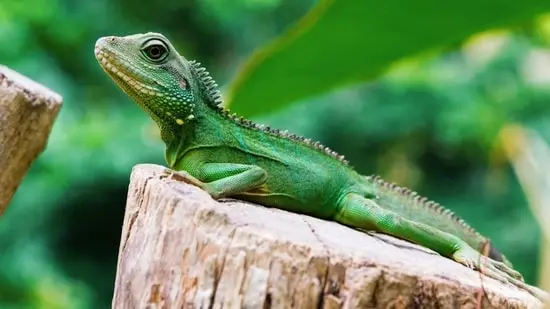
If you drive through the desert and spot a bright orange bearded dragon stretched across a tree stump, don’t expect the colour to last. Take a few steps closer, and the orange quickly fades. The body darkens. Within seconds, the lizard blends into the ground instead of standing out against it.
That shift is not for show. It is a basic survival tool, and one reason reptiles continue to draw scientific interest.
Researchers at the University of Melbourne say colour change helps reptiles in several ways. Camouflage protects them from predators. Brighter tones can signal territory or warn rivals. Darker shades help absorb heat, which is crucial since reptiles depend on sunlight to warm their bodies.
But the ability to change colour has limits. And a reptile’s home environment plays a far bigger role than many people realise.
What do bearded dragons reveal about adaptation?
University of Melbourne biologists studied bearded dragons from different regions of Australia. Some came from the deep red sands around Alice Springs. Others lived in the yellow-sand country near Mildura in Victoria.
All the lizards could shift colour, but how well they matched their surroundings depended on where they were from. Dragons from Alice Springs were far better at blending with red and orange backgrounds. Mildura lizards matched the yellow sand more closely. When placed on unfamiliar surfaces, they still attempted to camouflage, but only within the limits of their biology. Put simply, each group did its best. Evolution set the boundaries.
What actually happens inside their skin
The colour change is automatic. Lizards are not choosing to fade or darken. Specialised skin cells move pigments like melanin around, changing how their skin reflects light. In some species, tiny crystal-like structures also shift to alter colour. Hormones and visual cues trigger these changes.
During tests, bearded dragons adjusted their colour quickly when placed on different sand types. When researchers stood nearby, the lizards darkened further. Once left alone, many returned to lighter shades, the University of Melbourne notes.
Why is the environment still setting limits
One unexpected finding came from experiments using black sand, something neither group encounters in the wild. Southern lizards performed better here, likely because their habitats include more dark surfaces such as branches and tree trunks.
Also read: Gigi the horse charms the internet with her antics; owner reveals pet's role as ‘therapy animal’
The takeaway is clear: reptiles respond to what they see, but they cannot override their evolutionary design. Colour change helps them adapt, but it does not erase where they come from. Nature still sets the final boundaries.