



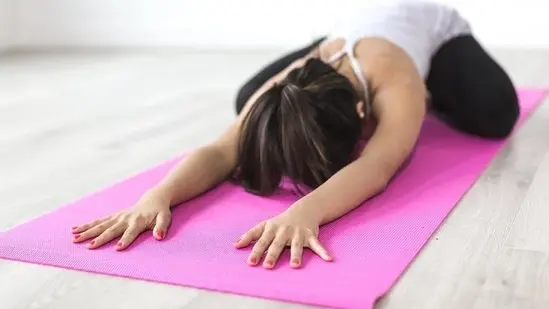
It's natural for people to feel less motivated to stay active in winter. But it is important to prioritise fitness to stay healthy. A drop in temperature can harm our bone health if we don't pay attention. With less sunlight, our bodies often make less vitamin D, an important nutrient for strong bones. This change can upset our hormones, weakening bone strength and making our joints stiffer. Orthopaedic surgeon Dr Vinay Kumar Aggarwal, an expert in orthopaedics and sports injuries, tells Health Shots a list of 9 safe and effective workouts to help you build bone strength and flexibility during the winter.
Exercises for bone strength in winter
Whether you are very experienced with fitness or just starting out, there is something here for everyone.
1. Walking with purpose
Walking is one of the easiest and best winter exercises. It raises your heart rate and helps strengthen your bones. Try brisk walks in local parks or around your neighbourhood. "You can make it more challenging by taking the stairs instead of the elevator, as this also helps build bone strength", says Dr Aggarwal. To increase the benefits, consider using light ankle weights. This will challenge your muscles without making you too tired.
2. Jumping jacks
Jumping jacks are a great way to strengthen your bones. They are high-impact exercises that help stimulate bone growth. "Start with 10-15 jumping jacks and slowly increase the number as you get used to it", says the doctor. Make sure to land softly to protect your joints!
3. Climbing stairs
Stair climbing is a great winter workout that often gets overlooked. It uses your main leg muscles and helps your heart stay healthy. "Try adding stair climbing to your daily routine at home, at your office, or at the park", suggests the expert. As you get stronger, you can hold a light dumbbell in each hand to make your workout even more challenging.
4. Yoga for flexibility and balance
Winter can cause stiff joints. Yoga is a great way to help. Poses such as Tree Pose and Downward Dog improve flexibility and strengthen your core, supporting balance. "Set aside 15-20 minutes each day for yoga in a warm, calm space," the doctor suggests. It will also help you relax and lift your mood during the winter.
5. Hip circles and spinal twists
These mobility exercises help keep your joints flexible. Cold weather can thicken the fluid that lubricates your joints, so it’s important to stay flexible. "Spend a few minutes each day doing hip circles and spinal twists to improve your range of motion", explains the expert. These movements warm up your body and prepare it for more strenuous activities, while also reducing stiffness.
6. Weighted squats for strength
Adding resistance to your squats can make them more effective. As you lower your body, push your hips back and keep your chest up. "Start with your body weight and then slowly add dumbbells," explains the doctor. This exercise helps improve bone density in your hips and spine, especially during the winter when you might feel less active.
7. Core stabilisation exercises
A strong core provides spinal stability and helps you balance on uneven surfaces. Good exercises for this are planks, bridges, and side leg raises. "Aim for three sets of 10-15 repetitions for each exercise, and focus on doing each movement correctly", says Dr Aggarwal. A strong core is important for daily activities and helps prevent injuries when you do other workouts during winter.
8. Dynamic warm-ups
As temperatures drop, it’s important to warm up properly. Instead of static stretches, try dynamic exercises like arm and leg swings and gentle lunges. These movements prepare your joints and muscles for the workout and help prevent cold-weather injuries.
9. The penguin walk
When the ground is slippery, especially for seniors, using the "penguin walk" can help you stay safe. "Keep your balance over your front leg and take smaller, careful steps to walk safely", says the doctor. This method can help you avoid slips and falls while enjoying your winter walks.
Safety first
While these exercises are generally safe, it’s important to know your body. "If you feel any unusual discomfort or have health issues like heart problems or osteoporosis, talk to your doctor before starting a new workout", warns the expert. Understanding your limits is just as important as pushing them. A healthcare professional can help you create a program that fits your specific needs.
(Note to readers: This article is for informational purposes only and not a substitute for professional medical advice. Always seek the advice of your doctor with any questions about a medical condition.)