



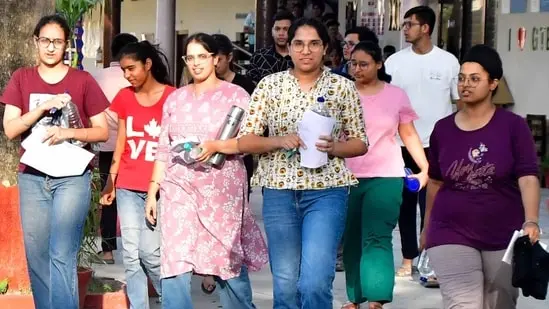
As the Joint Entrance Exam (JEE) approaches every year, a multitude (lakhs are hundreds of thousands) of young candidates in India enter into one of the most stress-filled times of their academic careers. The JEE is not merely an entrance examination; rather, for many candidates, it becomes synonymous with self-worth as well as the expectations of their families and the security of their future.
While there are many resources available to prepare for the JEE, including coaching institutes, mock tests, and other digital tools, there is a lack of adequate emotional and psychological support systems available for JEE candidates.
Academic preparation is not sufficient; rather, it is essential that the candidates develop a strong support system made up of their parents, teachers, and peers.
Understanding the Nature of JEE Stress
There are many things about the JEE that add up to lots of stress for students. Competition is high, and this usually results in big test preparation hours, fear of failing, constant comparisons with others, and uncertainty regarding the result. Many students start preparing for the exam in Class 9 or 10, which means giving up their hobbies and socializing as well as many, if not all, hours of sleep; this pressure builds and eventually leads to anxiety, burnout, self-doubt, and in the worst cases, mental illness. Institutions tend to put a lot of focus on performance metrics when determining how well an institution performs, while also giving little consideration to students' mental health or emotional well-being. Therefore, both the institutions and the students need to come together as one team to fill the gap created by an institution's focus on mental health.
Role of Parents: From Pressure to Partnership
When parents hold unrealistic expectations for their children, it often creates a rift between parent and child. When parents place pressure on their children to succeed, it creates a situation where a child is further pressured by their parents.
It is important for parents to promote self-discipline and personal growth, and support their child's emotional well-being by providing a space in which to discuss their feelings about fear, frustration, and insecurity.
By listening and validating the child's experiences with verbal support and unconditional love, parents can help lessen the burden of emotional pressure that may be placed on their child.
Role of Teachers: Mentors Beyond Academics
Teachers and coaches are often the first ones to see the effect that stress has on students’ attitudes and behaviors towards learning.
In addition to being a teacher, one of the roles that a teacher can play is that of a mentor to their students and this type of role allows teachers to be able to support students both academically and emotionally.
Regular constructive feedback is important for every student so that he or she is able to improve, learn, and grow. Students should not be motivated by fear of failure but rather by the desire to succeed.
Teachers who demonstrate empathy, compassion, and concern to their students during these hard times are integral in building the self-esteem of students and fostering positive feelings of self-worth.
Role of Friends and Peers: Strength in Shared Journeys
The role of peers in helping to manage the pressures associated with preparing for JEE is very significant because your fellow aspirants truly understand your feelings at such times.
Having a positive network of peers creates an avenue for emotional support, joint problem-solving, and increased motivation when things get tough. The goal of peer competition must never be allowed to become toxic; therefore, students must focus on giving one another support, working with one another, and growing together, rather than always comparing themselves to each other.
Creating study groups, participating in group discussions, and engaging in small recreational activities can significantly reduce feelings of isolation and anxiety.
Parents and teachers need to recognize signs of emotional withdrawal, long periods of silence, or distress caused by peer isolation and intervene early to help prevent further emotional issues.
JEE Mains Preparation: How smart revision strategies enable JEE aspirants to bridge the 80% and 99%ile gap
Are Current Support Measures Enough?
The growing awareness of the need for a stronger support system for JEE aspirants remains focused primarily on the exam and support from family, coaching centers, schools, and universities.
Counselling is less available, and mental health remains something that is not widely accepted in the context of JEE preparation and mental health support.
Rankings continue to be used as a measure for success; however, the well-being of the student is frequently ignored or overlooked in this process. In order for schools, coaching centers, families, and universities to provide meaningful support to students, they must collaborate to integrate mental well-being into their academic preparation processes and support the idea that a student's future is determined by more than just their performance on one exam.
While preparing for JEE is an overwhelming challenge for many students, ambition should not come at the hidden cost of stress to students.
True success in competitive examinations will ultimately be determined not only by the examination results but also by the student's emotional health, resilience, and self-confidence to enable them to successfully transition beyond their examination experience into their future lives.
(This article is written by Dr. Sugandha Jha, Dean, School of Engineering & Technology, Noida International University)