



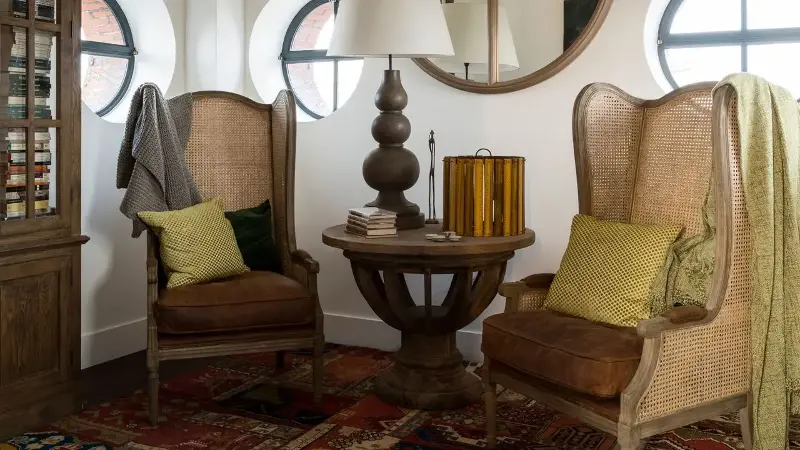
Caned furniture has long been a staple in British homes, admired for its craftsmanship, lightness, and airiness. Its origins in Britain date back to the 17th century, when imported Indian and Southeast Asian furniture inspired a wave of cane weaving in chairs, tables, and cabinets. For centuries, it was considered both practical and elegant, a symbol of refined taste and understated style.
Over time, caned furniture fell out of favour as heavier, more ornate pieces dominated British interiors. Today, however, it is enjoying a remarkable revival. Many people are looking to decorate with antiques, and caned furniture fits perfectly, adding texture, history, and a sense of authenticity to modern interiors.
The renewed interest is also reflected in high street stores and independent designers, who are reimagining classic caned designs for modern homes. From dining chairs and beds to storage cabinets and seating benches, caned furniture is being embraced for its timeless appeal and light, natural aesthetic.
For those looking to create interiors that feel both timeless and current, caned furniture offers a unique way to incorporate transitional decorating ideas while celebrating British heritage. Many of these pieces carry a sense of history, harking back to Georgian and Victorian homes where cane was prized for its craftsmanship and elegance. By pairing antique or vintage caned chairs and cabinets with contemporary textiles, muted colour palettes, and clean-lined furnishings, it is possible to honour the past while giving a room a refreshed, considered feel.
The Caned Furniture Pieces Worth Investing In
'Caned furniture is enjoying a revival because it taps into something deeper than trend; it offers texture, craftsmanship, and a sense of lightness that modern interiors crave,' explains US-based interior designer Jennifer Davis.
'The key is balance and restraint. Cane works best when it’s treated as a textural accent rather than a theme. I also love cane in unexpected places, a sleek cabinet door, or a subtle lighting detail. When the surrounding palette is elevated, and the forms are thoughtful, cane feels chic rather than nostalgic.'
'I’m always drawn to classic shapes with thoughtful caned detailing, especially accent chairs and bed frames, which I personally have a long-standing love affair with. A well-proportioned lounge chair with a caned back or a beautifully crafted bed that incorporates cane feels both architectural and inviting. Pieces that honour traditional techniques while feeling edited and refined will always have staying power.'
Caned furniture is not just a passing trend but a key element shaping current furniture trends in British interiors. Its lightweight structure and natural texture make it versatile for both small city flats and larger period homes, while its craftsmanship adds instant character to any space. Designers are increasingly mixing caned pieces with bold upholstery, statement lighting, and minimalist cabinetry, proving that it works beyond traditional or heritage schemes. For anyone serious about interior style, investing in a few well-chosen caned items offers a way to refresh a room, introduce texture, and stay ahead of evolving furniture trends in a way that feels modern and considered.