



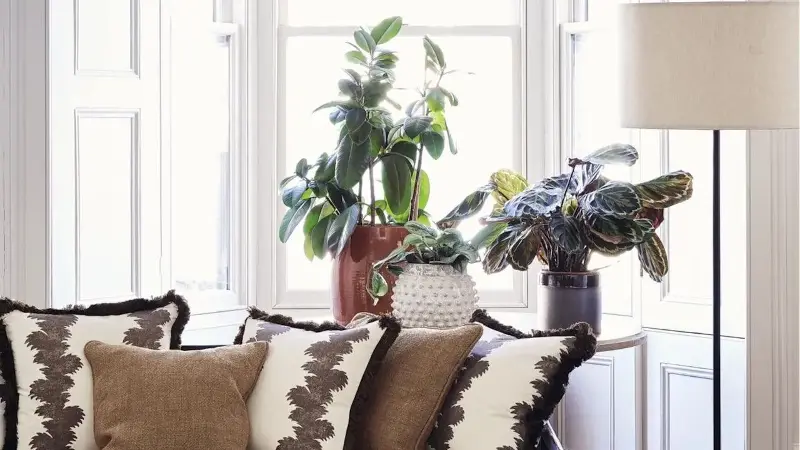
Early spring is a crucial time in the houseplant calendar, as plants wake up and prepare for the growing season. After growing houseplants for several years, I now know it's best to get on top of spring care sooner rather than later – I use the first sign of new growth as an indicator.I'm not talking about general spring houseplant care, but rather a few tricks I do at the very start of spring to set my beloved collection up for lots of healthy, vigorous growth. As soon as you spot new leaves, you should adjust your plant's light, increase watering, and do some selective pruning. Trust me, these things will instantly perk your plants back up after the challenging conditions of winter.In fact, failing to check in with your houseplants at this time could set them back, for example with dying foliage draining their energy and less-than-ideal conditions hindering growth. Here, with insights from a plant expert, I talk through three things to do with houseplants when you spot new growth in spring.
3 Early Spring Tasks for Your Houseplants
The following list applies to any indoor plant that enters an active growth season in spring. Though, you should also keep in mind the specific needs of the plants you have and adjust their care accordingly.
1. Move Your Plants Somewhere Brighter
When your houseplants start to display new foliage, you can be certain they are entering an active growth period. To support this, they will need more light than what has been available during the darker days of winter.'Place your sun-loving plants in a well-lit area, avoiding direct sunlight exposure initially. You need to gradually acclimate them to the bright spring sun to prevent scorching young leaves,' says Halina Shamshur, an expert from Plantum.'As for indoor low light plants, move them closer to a window, but make sure they aren’t exposed to direct sunlight,' she adds.Brighter exposure will allow houseplants to perform essential processes, like photosynthesis, which fuels their growth.If your home is still receiving limited daylight at the tail end of late winter, consider using something like this bamboo grow light from Amazon. I find ones with an automatic timer like this are particularly convenient to use.
2. Gradually Increase Watering
Soil moisture level is always one of the first things I take note of when looking for signs that my houseplants are beginning to wake up. 'Plants need more moisture during their active growth period in spring than during dormancy in winter,' notes Halina.Warmer room temperatures also contribute to this, drying out the soil much more quickly.Of course, exactly how much you water your houseplants depends on the specific plant. For example, cacti like to dry out entirely between watering, while ferns need consistent moisture.With this in mind, you should use a soil moisture meter (like this from Amazon) to identify how wet your houseplant's soil and water it accordingly.Just take care not to increase watering too drastically too quickly, as this can put your plants at risk of houseplant root rot.
3. Remove Damaged and Leggy Growth
If your houseplants look a little worse for wear after winter, don't worry –it's sometimes inevitable.Fluctuating temperatures, limited daylight, pests, and watering issues can all cause plant leaves to droop and discolor over the winter months. But, your plants can quickly make a recovery now that they're putting on new growth.'Remove any weak, dry, or leggy stems. This will promote new growth and help them look more lush,' says Halina.You should use sharp, clean essential pruning tools (like these houseplant snips from Amazon) for this, cutting at the base of leaf stems.This will redirect the plant's energy into putting on new growth rather than struggling to keep the dying foliage alive. Likewise, it will discourage houseplant pest presence, as they thrive on decaying and dying plant matter, protecting the new growth your houseplant is working on.
FAQs
Why Isn't My Houseplant Growing New Leaves?
Your houseplant not growing any new leaves could be a symptom of a range of things. It might be that it is simply dormant (typically from fall-winter), or that there's a bigger issue. For example, some houseplants don't like being pot-bound and will stop growing until transplanted into a bigger planter with more room. If your plant also has other symptoms, like yellowing and drooping foliage, it could be a growing environment issue, such as the wrong level of water and light, or even shock from temperature fluctuations. The best thing to do is research the specific plant you have and its needs to diagnose the cause.
Alongside these things to do with houseplants when you spot new growth in spring, you'll also need to be prepared to support climbing plants with a houseplant trellis (like these leaf-shaped houseplant trellises on Amazon) as they grow taller, and don't forget to start feeding your plants monthly from spring-summer (this all-purpose houseplant fertilizer from Amazon is a good choice).
Love inspiring garden ideas, outdoor advice, and the latest news? Sign up for our newsletter and get the latest features delivered straight to your inbox.
Shop Houseplant Accessories
These blue ceramic houseplant planters have drainage holes and saucers to remove excess water and aid moisture management.
These houseplant tools have everything you need to repot plants, aerate soil, clean houseplant leaves, and more. It comes with a canvas bag to store them in.
This duo has everything you need to keep houseplants hydrated. The watering can has a detachable nozzle for more accurate watering.