


In a world increasingly dominated by digital screens and high-tech hobbies, there lies the ancient, tactile, and calming craft of origami. This Japanese art of paper folding is more than just a recreational activity; it’s a confluence of mathematics, spirituality, and creativity, which has endured for centuries and still holds a captivating charm for creators of all ages and backgrounds.
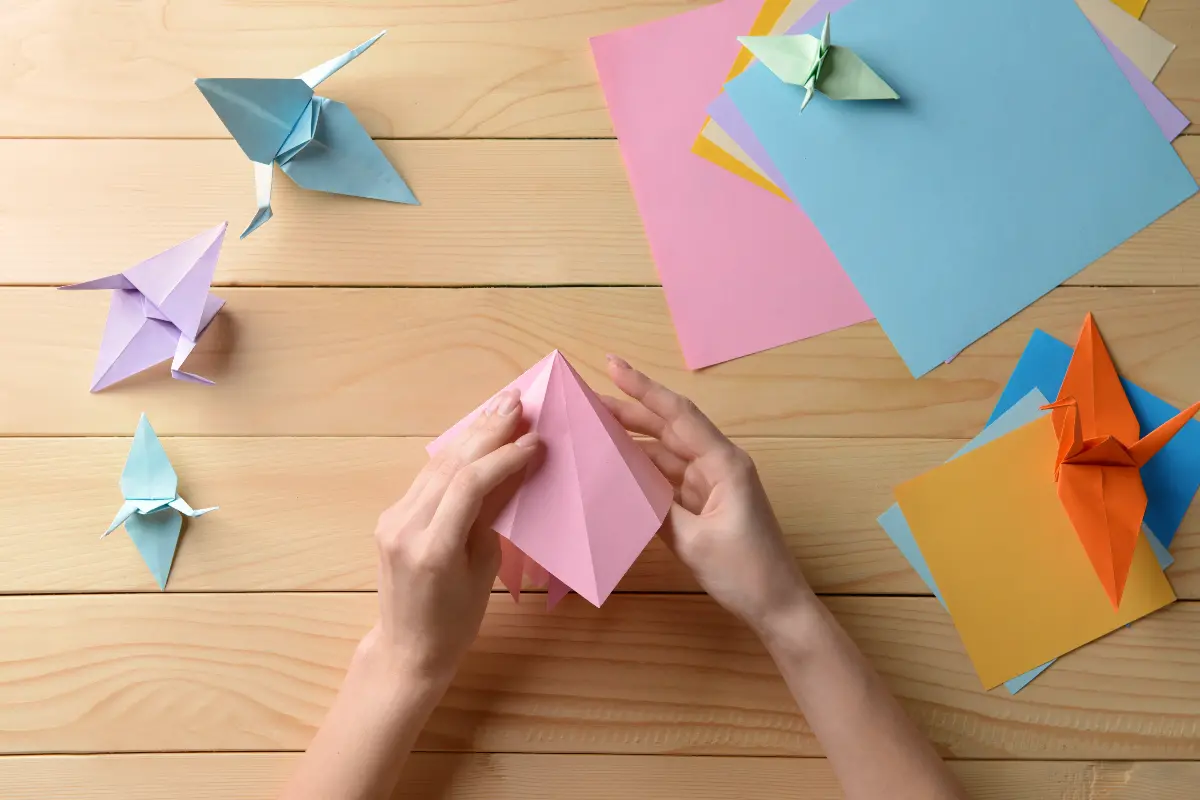
The origins of origami are often associated with Japanese culture, but historical traces of paper folding can also be found in China and other parts of the world. The term itself derives from the Japanese words "ori" (folding) and "kami" (paper). But origami is not exclusive to the Land of the Rising Sun; its principles resonate with the universal human appreciation for beauty, intricacy, and the transformative power of art.
One of the most iconic origami models is the crane, which in Japanese tradition symbolizes peace and longevity. As the legend goes, anyone who folds a thousand paper cranes will be granted a wish by the gods. This has led to the practice of folding Senbazuru, which are strings of a thousand cranes, often made as a collective effort to bring about good fortune or to show support during challenging times.

However, origami extends far beyond the crane. It encompasses a vast array of models, from the simplest forms that can be executed in a few folds to complex structures that require hours of meticulous work and an understanding of advanced folding sequences.
For beginners, the foundation of origami is mastering the basic folds—the mountain fold, valley fold, petal fold, rabbit ear, and squash fold, to name a few. Each fold is a building block, a step toward creating something greater from a single, uncut square of paper. A remarkable aspect of origami is its inclusive nature; with just a piece of paper and patience, anyone can start their folding journey.
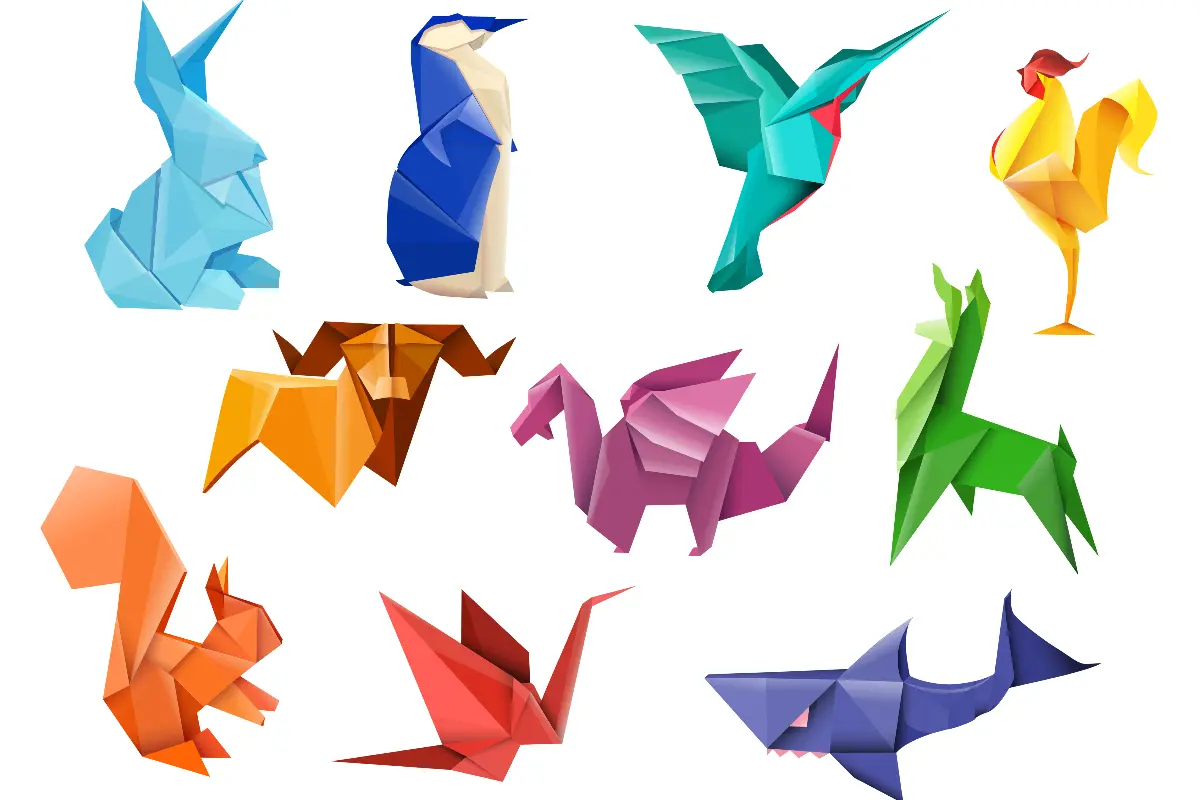
Progressing from simple models to more complex designs involves learning various techniques, such as the "sink fold" or the art of "wet folding," pioneered by the late origami master Akira Yoshizawa. Wet folding allows for softer, more rounded edges and is suitable for creating models like animals with curves rather than geometric shapes.
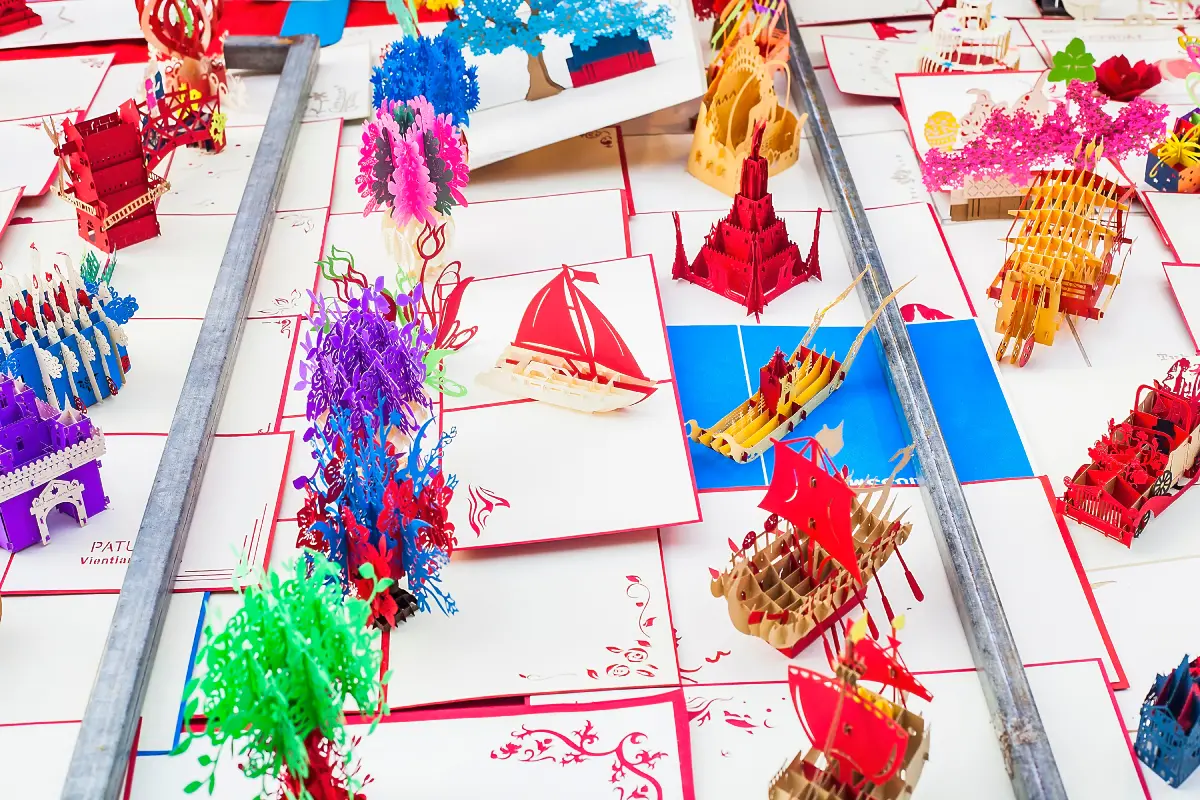
Many assume that true origami uses only one square of paper and involves no cuts. While this is often the case, there are numerous branches of origami that challenge these rules. Kirigami, for instance, incorporates cutting the paper, and modular origami involves folding multiple pieces of paper and then combining them to form a larger, often symmetrical, structure.
The influence of origami today extends beyond art into practical applications. For instance, scientists and engineers often use origami techniques in the design of foldable structures and devices. The principles of folding are applied in fields such as space exploration, where large objects like solar panels and telescopes must be compactly folded for launch and then unfolded in space. Even the medical field benefits from origami concepts in the design of stents and other devices.
Modern technology has also found a place within the practice of origami. Computer algorithms can now assist in developing folding patterns for new and complex models, transforming what once was a purely empirical craft into an interdisciplinary field of study. Computational origami pushes the boundaries of the art, allowing creators to visualize and execute designs that were once thought impossible.
Despite these technological advancements, the essence of origami is still deeply rooted in its cultural and historical origins. It remains an accessible, portable, and environmentally friendly pursuit. Folders around the globe continue to be enchanted by the magic of transforming a simple sheet of paper into a three-dimensional masterpiece.
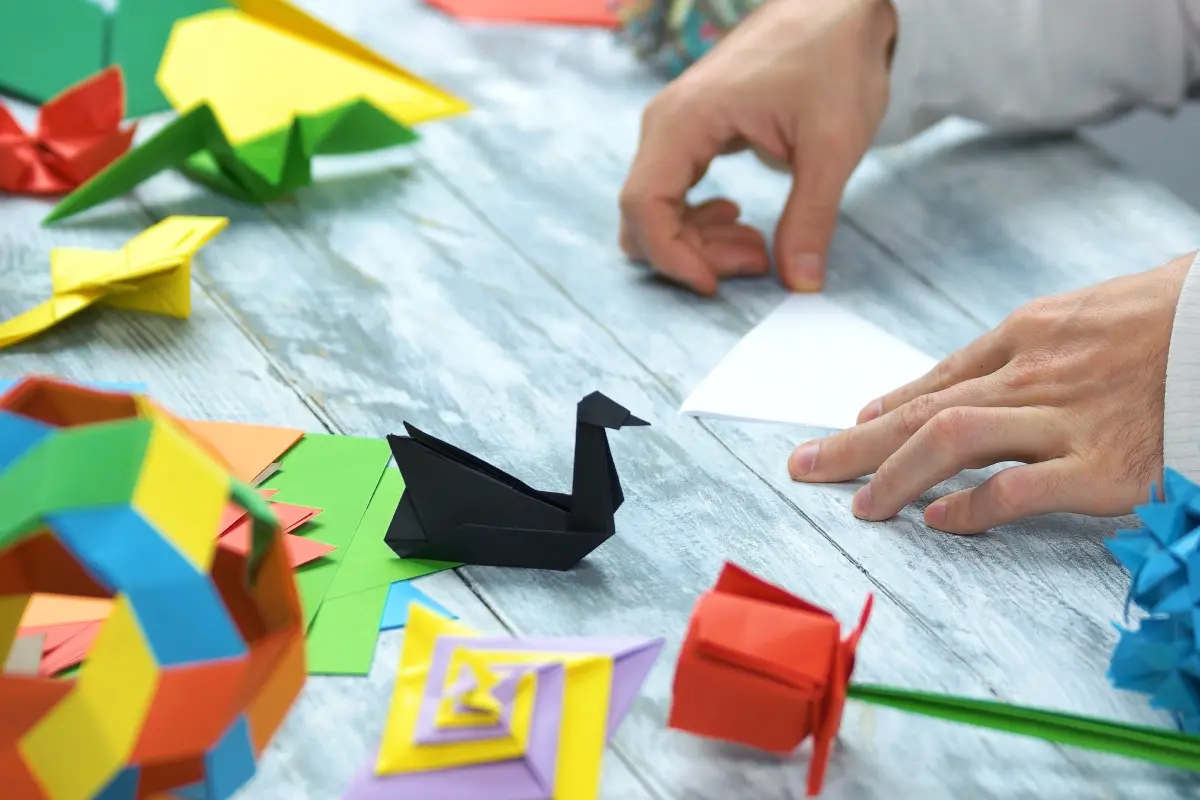
Part of origami's long-standing appeal may be attributed to its meditative and therapeutic aspects. The focus and precision required act as a form of mindfulness, allowing practitioners to center themselves and enjoy a respite from the chaos of modern life. In addition to fueling mindfulness, crafting origami projects can also contribute to cognitive development, enhance spatial visualization skills, and cultivate patience and attention to detail.
For those eager to dive into the world of origami, resources abound. Countless books, workshops, and online tutorials are available to help beginners and seasoned folders alike learn new models and techniques. Origami communities and clubs encourage sharing of knowledge and foster social connections among enthusiasts. International origami exhibitions and conventions showcase the most breathtaking, innovative works, pushing the perception of paper folding beyond mere craft to high art.
So, whether you're a curious novice or a skilled paper artist, the world of origami awaits with its calming folds, intricate designs, and the promise of paper transformed. The beauty of origami lies in its simplicity and its complexity, making it both a quaint pastime and a profound art form. As you explore the depths of origami, you might not only discover new designs and techniques but also perhaps unfold new aspects of your patience, skill, and creativity.